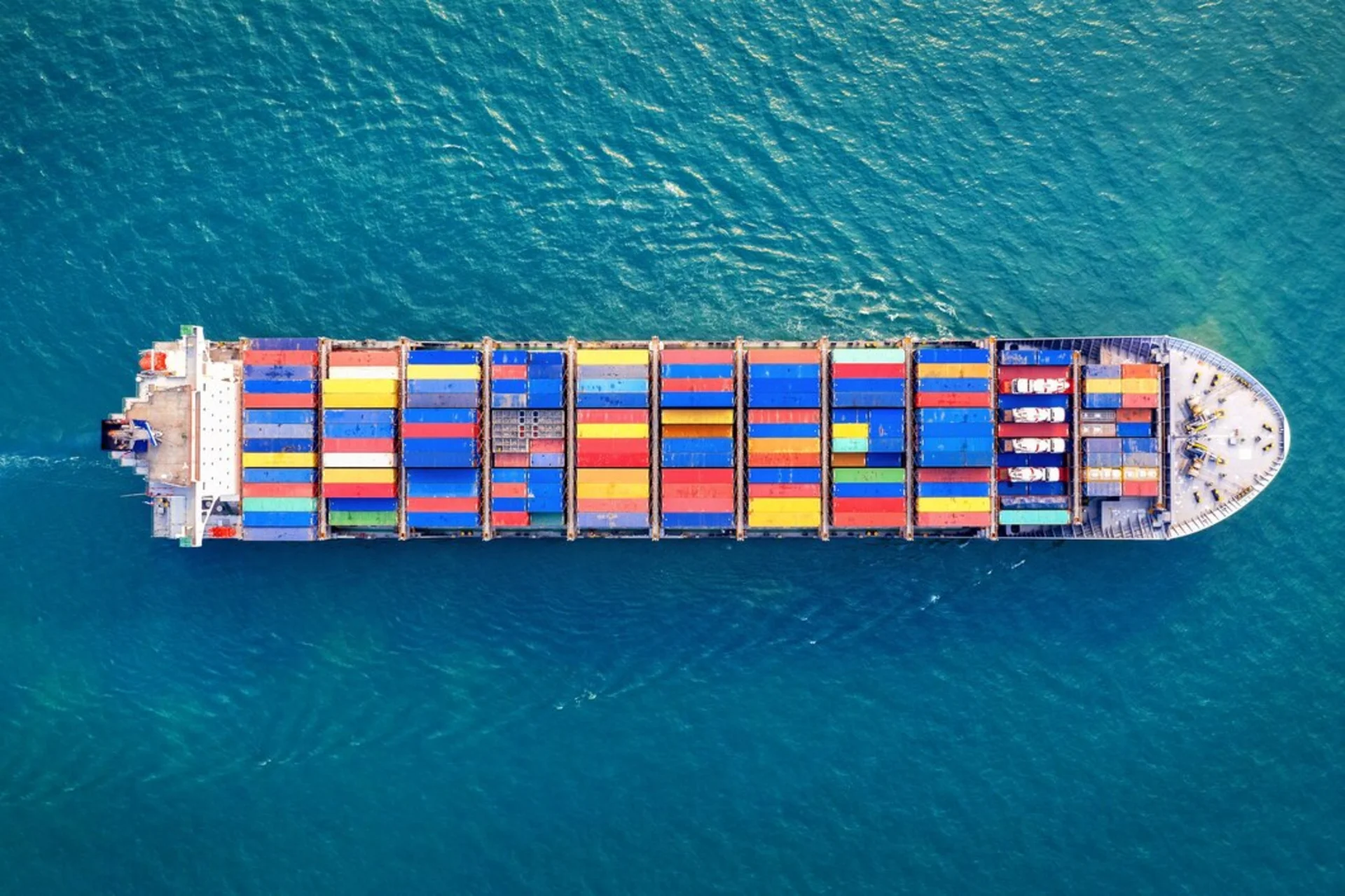
Container shipping is the backbone of international trade, connecting businesses and consumers across the world. Behind the loading cranes and sprawling ships lies an intricate web of processes that ensures goods reach their destination safely, efficiently, and legally. While shipping containers themselves are the iconic symbol of global commerce, the true glue holding this complex system together is often overlooked: documentation.
From legal compliance to the protection of goods, accurate documentation is not just a bureaucratic necessity — it is the lifeline of the container shipping industry. Without proper paperwork to guide, secure, and regulate operations, global trade would come to a standstill.
Legal Compliance: The Foundation of International Shipping
Legal compliance in container shipping hinges on the accuracy, completeness, and timeliness of documentation. Each shipment traverses multiple jurisdictions, each with its own regulatory frameworks, making proper paperwork indispensable. Essential documents such as the landing bill, shipping manifest, and export licenses ensure legal authorization for the movement of goods across international borders.
The bill of lading is a cornerstone of international shipping. It acts as a legal contract between the shipper and the carrier, detailing the nature of the cargo, the agreed terms of transportation, and ownership rights. Without it, disputes could arise between parties, leaving the cargo stranded or subject to legal issues.
Additionally, certificates of origin, hazardous materials declarations, and cargo insurance policies all play a crucial role in preventing regulatory conflicts and ensuring smooth operations. Documentation is, quite literally, the passport that allows goods to legally traverse the oceans. Shipping companies that fail to comply with such standards face stiff penalties and reputational damage, underscoring just how critical this aspect of shipping is.
Customs Clearance: The Gateway to Global Trade
Customs clearance is one of the most intricate processes in container shipping — and documentation is at its heart. Every shipment must pass through customs authorities before entering or exiting a country, and without the necessary paperwork, delays are inevitable. Proper documentation ensures that goods comply with a country’s import and export regulations and that duties, tariffs, and taxes are correctly identified and paid.
Key documents for customs processes include commercial invoices, packing lists, and import/export declarations. A commercial invoice provides a detailed description of the goods being shipped, including quantity, value, and payment terms. Meanwhile, packing lists help customs officials conduct physical inspections by providing accurate details on what is being shipped and where it is located within the container.
Incorrect or incomplete documentation can lead to increased scrutiny from customs authorities, severe delays, or worst of all, seizure of goods. In a global economy where time-sensitive deliveries determine business success, errors in customs documentation can significantly harm supply chains.
Protection of Goods: Safeguarding Cargo at Every Turn
Container shipping, by its very nature, comes with risks: rough seas, theft, mishandling, and damage to goods. Proper documentation mitigates these risks by acting as a protective mechanism for shipments. Whether it’s cargo insurance certificates or detailed packing lists, documentation ensures shipments are shielded from unforeseen circumstances.
Cargo insurance policies are especially vital for protecting against potential losses. These documents define the scope of protection in case of damage, loss, or theft. Without such coverage, companies risk bearing the full brunt of financial liability in the event of disasters or accidents.
Packing lists, another crucial component, provide exact details of the goods being shipped. This document ensures that the shipping company, customs officials, and logistics providers handle and store items appropriately to minimize the chance of damage. In cases of fragile or perishable goods, documentation specifies necessary precautions, such as temperature controls or storage conditions.
For high-value goods or dangerous materials, stringent documentation requirements provide an extra layer of security, ensuring compliance with international safety standards. In sum, proper documentation acts as a shield, protecting shipments from the unpredictable nature of maritime transportation.
Tracking and Accountability: Establishing Visibility Across the Supply Chain
In the modern shipping industry, logistics is not just about moving containers — it’s about providing visibility and accountability at every stage of the journey. Documentation plays a key role in ensuring that all stakeholders can track shipments and hold parties accountable when something goes wrong.
One of the most important tracking-related documents is the shipping manifest. This comprehensive record provides details about the cargo, including its origin, destination, and handling requirements. It allows shipping lines, freight forwarders, and customs authorities to monitor containers and locate goods throughout their maritime journey.
Documentation also serves as a tool to ensure accountability in case of disputes or delays. For instance, a waybill—another key document—helps establish the timeline of events during transportation. If goods are delayed, lost, or damaged, the documentation trail makes it easier to determine where issues occur and who should take responsibility. As supply chains become more complex, documentation ensures that transparency is maintained and that every link in the chain is accountable.
Farryn’s Digital Documentation Solutions: Revolutionizing Maritime Paperwork
At the forefront of maritime documentation innovation, Farryn Company has developed comprehensive digital solutions that address the complex challenges of shipping documentation. Through its state-of-the-art digital platform, Farryn streamlines the entire documentation process, from creation to verification, storage, and retrieval.
Farryn’s innovative approach includes:
- Advanced document management systems that ensure compliance across multiple jurisdictions
- AI-powered verification tools that reduce errors and processing time
- Blockchain-based solutions for secure, tamper-proof documentation
- Real-time document tracking and status updates
- Integrated customs documentation preparation and submission
- Digital archiving systems with instant retrieval capabilities
The company’s commitment to modernizing maritime documentation has resulted in significant improvements for clients:
- 60% reduction in documentation processing time
- 40% decrease in documentation-related delays
- Enhanced accuracy in customs declarations
- Improved stakeholder collaboration through digital platforms
- Reduced environmental impact through paperless solutions
Through these innovations, Farryn is not just solving today’s documentation challenges – it’s shaping the future of maritime documentation management.
Conclusion: Documentation of Global Shipping
While towering cranes and colossal vessels often steal the spotlight in container shipping, thorough documentation truly drives the entire operation. From ensuring legal compliance and clearing customs to protecting cargo and tracking shipments, accurate paperwork plays a multifaceted and indispensable role.
In today’s fast-paced global economy, where on-time delivery and regulatory compliance are critical, investing in proper documentation processes is no longer optional — it is a competitive necessity. By embracing technology-driven documentation tools like blockchain-based records or electronic bills of lading, the industry can further reduce errors, streamline operations, and prepare for the future of global trade.
Ultimately, container shipping without proper documentation is like navigating a ship without a rudder. Only by maintaining a comprehensive and accurate paper trail can the shipping industry ensure safety, efficiency, and accountability in an ever-evolving, interconnected world.