The Distinction Between Chilled and Frozen Cargo in Cold Chain Maritime Logistics
A Practical Guide for Exporting Temperature-Sensitive Goods
Why This Distinction is Critical for Export Operations
In the maritime export of many goods—ranging from shrimp, fish, and poultry to meat, dairy, produce, and even pharmaceuticals—temperature control is the deciding factor for success. The slightest error in temperature calibration, transport modality, or cargo classification can lead to full shipment rejection at the destination, severe financial loss, or outright denial of market entry.
In the shipping industry, two terms are widely used to categorize these goods: Chilled and Frozen. While both fall under the umbrella of cold chain logistics, they represent two distinct operational methodologies. The difference between them goes beyond just a few degrees; it significantly impacts product quality, shelf life, packaging specifications, freight costs, logistical risk profiles, and even customs and health documentation requirements.
For exporters of proteins, perishables, and pharmaceuticals, understanding the nuanced differences between Chilled and Frozen cargo is an operational necessity. This knowledge empowers producers, cargo owners, trading companies, and customs brokers to make informed decisions, mitigate disputes with buyers, and optimize cold chain performance.
Below, we examine these differences through a systematic, operational lens.
Defining Chilled Cargo in Maritime Logistics
Chilled cargo refers to products that must be maintained at a low temperature, yet above the freezing point, to preserve quality and prevent spoilage. In this state, the product does not freeze; its physical structure, texture, and natural moisture content remain largely intact, ensuring the goods are perceived as fresh or near-fresh upon arrival.
Typically, Chilled goods are maintained within one of the following temperature ranges (product-dependent):
- 0°C to 2°C
- 2°C to 4°C
- Up to 7°C or 8°C for specific commodities
These products primarily include:
- Fresh fish and seafood
- Fresh (non-frozen) meat
- Specialty dairy products
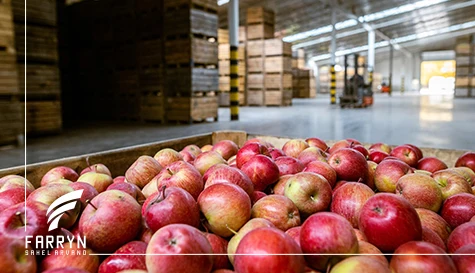
- Sensitive fruits and vegetables that cannot withstand freezing
- Specific cold-processed foods (e.g., certain cold-cut meats)
In Chilled shipping, operational velocity is paramount. The timeline between harvesting, processing, loading, and delivery must be precisely synchronized, as the shelf life is limited. In many trade lanes, multimodal transport (land + sea) or even air freight is integrated into the logistics plan to meet these strict time constraints.
Defining Frozen Cargo in Maritime Logistics
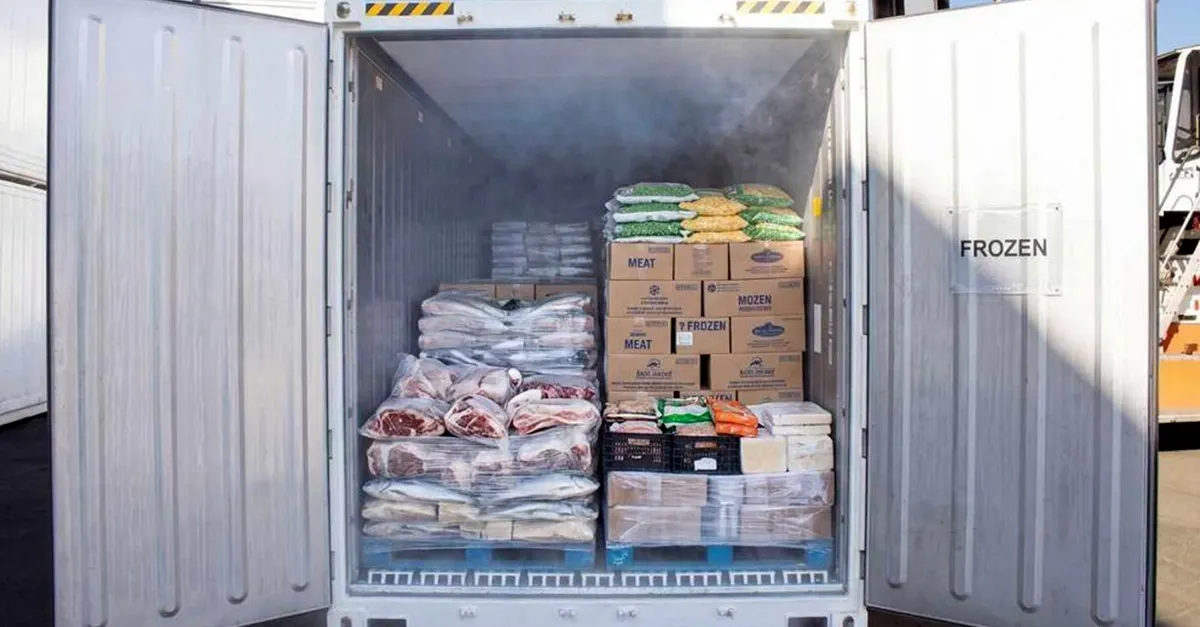
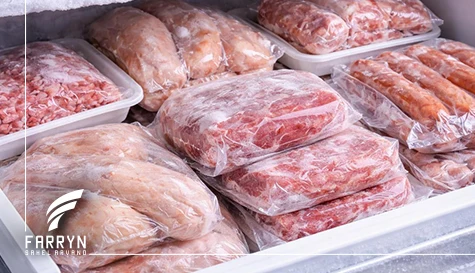
Frozen cargo refers to products that have been fully frozen at the point of origin and are subsequently maintained at a constant, low temperature throughout the logistics chain. The standard temperature for most Frozen goods in maritime transport is -18°C or lower.
At these temperatures, microbial activity and the chemical reactions that cause spoilage are effectively halted or significantly decelerated. This allows Frozen goods to:
- Possess a much longer shelf life.
- Be suitable for long-haul maritime routes (spanning several weeks).
- Be stored in cold storage facilities at the destination.
A significant portion of shrimp, fish, poultry, and meat exports are transported as Frozen goods to markets in East Asia, Europe, and regional destinations. This method allows exporters greater scheduling flexibility and reduces the risk of rapid spoilage, provided the cold chain is designed and executed correctly.
Temperature Differentials and Operational Implications
The primary technical difference is the temperature set-point. This seemingly minor variable influences numerous downstream parameters, from container selection to voyage duration and insurance coverage.
| Cargo Type | Standard Temperature Range | Product State | Key Characteristic |
|---|---|---|---|
| Chilled | Approx. 0°C to 4°C | Non-frozen | Retains freshness/texture; limited shelf life |
| Frozen | -18°C or lower | Frozen | Extended shelf life; minimized spoilage risk |
With Chilled cargo, setting the temperature below the threshold can lead to surface freezing and tissue damage. Conversely, for Frozen cargo, if the temperature rises above the set limit for any duration, partial thawing may occur, leading to significant quality degradation upon re-freezing. Therefore, precise temperature settings and continuous monitoring are critical for both, though the consequences of failure differ.
Shelf Life and Voyage Planning
A primary concern for exporters is the product’s remaining shelf life. This factor dictates the choice between Chilled and Frozen shipping.
Shelf Life for Chilled Cargo:
-
Typically short, ranging from a few days to a few weeks, depending on the commodity.
-
Any delay in port, customs, or vessel scheduling consumes a critical portion of the shelf life.
-
Goods must enter the distribution and retail network immediately upon arrival.
Shelf Life for Frozen Cargo:
-
Can span several months or longer (subject to product standards).
-
Facilitates long-haul exports (e.g., to Europe or East Asia).
-
Allows the buyer to manage inventory in cold storage and distribute according to market demand.
In essence, Chilled cargo is optimized for shorter routes and just-in-time delivery, whereas Frozen cargo is designed for longevity, long-haul logistics, and gradual market supply.
Packaging Requirements
Packaging is not merely aesthetic; it directly impacts temperature retention, quality, and product safety.
For Chilled Cargo:
- Packaging must protect the product from impact and contamination while allowing for controlled ventilation and moisture release.
- Moisture-resistant cartons, trays, and plastic films are standard.
- Design must facilitate “respiration” to prevent dehydration or mold growth.
For Frozen Cargo:
- The primary objective is to prevent freezer burn and quality loss from direct exposure to cold air.
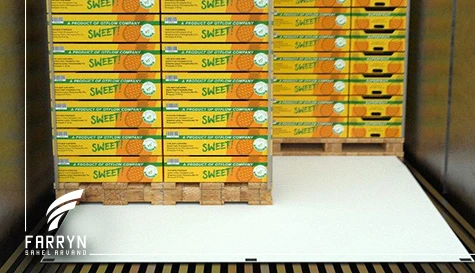
- Packaging is often multi-layered: inner wrap, primary packaging, and moisture-resistant outer carton.
- Standardized palletization is crucial to ensure uniform airflow throughout the reefer container.
For both categories, accurate labeling (product name, weight, production/expiry dates, storage temperature) is mandatory and subject to strict regulatory requirements in most jurisdictions.
The Role of Reefer Containers in Chilled and Frozen Logistics
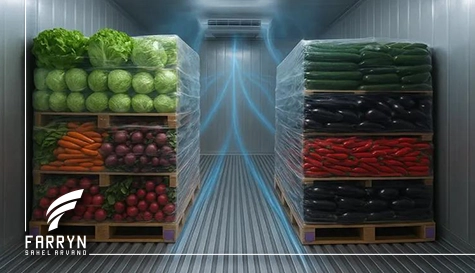
In maritime transport, almost all Chilled and Frozen goods are carried in refrigerated (Reefer) containers. These act as mobile cold rooms that maintain temperature, humidity, and airflow.
Container Settings for Chilled Cargo:
-
Temperature is typically set between 0°C and 4°C.
-
Airflow is regulated to cool the product without causing freezing.
-
Relative humidity management is often required to prevent surface dehydration.
Container Settings for Frozen Cargo:
-
Temperature is set at -18°C or lower.
-
The refrigeration system operates at higher capacity to maintain constant thermal equilibrium.
-
The primary focus is preventing heat ingress and managing temperature fluctuations.
Exporters and logistics providers must specify product types, temperature requirements, and setting parameters precisely when booking, as errors at this stage can result in catastrophic cargo loss.
Logistical and Operational Risks
While both cargo types are sensitive, their risk profiles differ.
Major Risks for Chilled Cargo:
- High sensitivity to transit delays (port congestion, customs hold-ups, terminal dwell times).
- Rapid quality decline following even minor temperature deviations.
- High probability of rejection at destination due to visual, olfactory, or structural deterioration.
Major Risks for Frozen Cargo:
- Sensitivity to temperature fluctuations (especially spikes toward 0°C).
- Risk of partial thawing and subsequent re-freezing, which degrades quality.
- The necessity of maintaining a continuous power supply (reefer plug-in) at all stages (port, vessel, transit terminal).
Consequently, the use of data loggers inside containers—and even within individual cartons—is an operational necessity. These data logs serve as definitive evidence in the event of disputes between buyers and sellers regarding cold chain integrity.
Examples of Chilled and Frozen Exports
In maritime exports, specific product classifications apply:
Examples of Chilled Goods:
-
Fresh fish for short-haul markets.
-
Fresh vegetables for regional trade.
-
Specialty dairy products requiring precise non-freezing temperatures.
Examples of Frozen Goods:
-
Export-grade frozen shrimp (e.g., to East Asia and Europe).
-
Frozen fish for long-haul markets.
-
Frozen meat and poultry for regional and trans-regional markets.
-
Various frozen processed protein products.
The choice between Chilled and Frozen is often driven by market strategy: Does the goal involve capturing higher prices as a “Fresh” product with high inventory turnover, or leveraging the longevity and flexible supply of a Frozen product?
The Impact of Distance on Modality Selection
Distance and total transit time are primary determinants for selecting the transport method.
- For short-haul routes (e.g., neighboring regional markets), Chilled shipping is viable if the cold chain is robustly managed at both ends.
- For long-haul routes involving several weeks of transit, Frozen shipping is usually the only practical and safe option.
Market infrastructure also matters. Some destinations possess highly developed cold chain infrastructure, while others may necessitate specific approaches to retail and distribution. Understanding the destination market’s requirements is a key component of smart logistics planning.
Customs, Health, and Documentation Considerations
Both Chilled and Frozen goods are subject to rigorous health and quarantine inspections. Health certificates, veterinary/fishery permits, certificates of origin, and trade documents are mandatory.
However:
- Chilled cargo may face more stringent, intrusive inspections because it is intended to enter the market as “Fresh.”
- For Frozen cargo, scrutiny is primarily focused on expiry dates, consistent temperature logs, and compliance with cold storage standards.
For trade units and customs brokers, familiarity with these regulatory nuances is essential to prevent clearance delays and avoidable costs.
Practical Guidelines for Cold Chain Exporters
- Product Analysis: Before selecting a transport method, analyze the product’s actual shelf life, temperature sensitivity, and standard requirements.
- Time Management: For Chilled cargo, every minute counts; build safety margins into your logistics and documentation schedule.
- Carrier Selection: Partner with logistics companies that have a documented track record in managing reefer containers and your specific trade lanes.
- Temperature Recording: Using data loggers for every shipment is vital for both technical assurance and dispute resolution.
- Buyer Transparency: Clearly define temperature requirements, transport mode (Chilled vs. Frozen), and contractual responsibilities with the buyer before the first shipment.
Making an Informed Decision
The distinction between Chilled and Frozen cargo is not merely theoretical; it is a strategic decision that directly impacts product quality, buyer satisfaction, cold chain risk, and export profitability. For exporters of food, proteins, dairy, produce, and pharmaceuticals, mastering these differences and translating them into operational decisions is a significant competitive advantage.
Chilled cargo enables the supply of high-value “fresh” products to nearby markets but demands exacting precision in scheduling and risk management. Frozen cargo offers extended shelf life, facilitating long-haul market penetration and supply chain flexibility, provided the cold chain is rigorously designed and maintained.
Every shipment leaving the port—whether Chilled or Frozen—is a test of cold chain management efficacy and coordination between producers, shipping lines, customs authorities, and buyers. Informed selection between these two options is a crucial step toward minimizing risk, building trust, and securing a long-term position in international markets.
Farryn Sahel: Your Premier Partner for Chilled and Frozen Maritime Logistics
As one of the most reputable and established companies in the refrigerated container shipping sector, Farin Sahel specializes in the cold chain. Today, we are recognized as a primary authority in these services.
With a substantial fleet of reefer containers, extensive coverage of major ports, partnerships with top-tier shipping lines, and proven operational expertise in both Chilled and Frozen logistics (ranging from seafood and poultry to dairy, produce, and pharmaceuticals), we have become the preferred choice for professional exporters. By combining technical expertise in temperature calibration and risk management, alongside robust temperature monitoring systems, we have successfully prevented cargo rejection in sensitive markets. This cements Farin Sahel’s position as the leading specialist in reefer logistics and the most reliable partner for exporting temperature-sensitive goods.