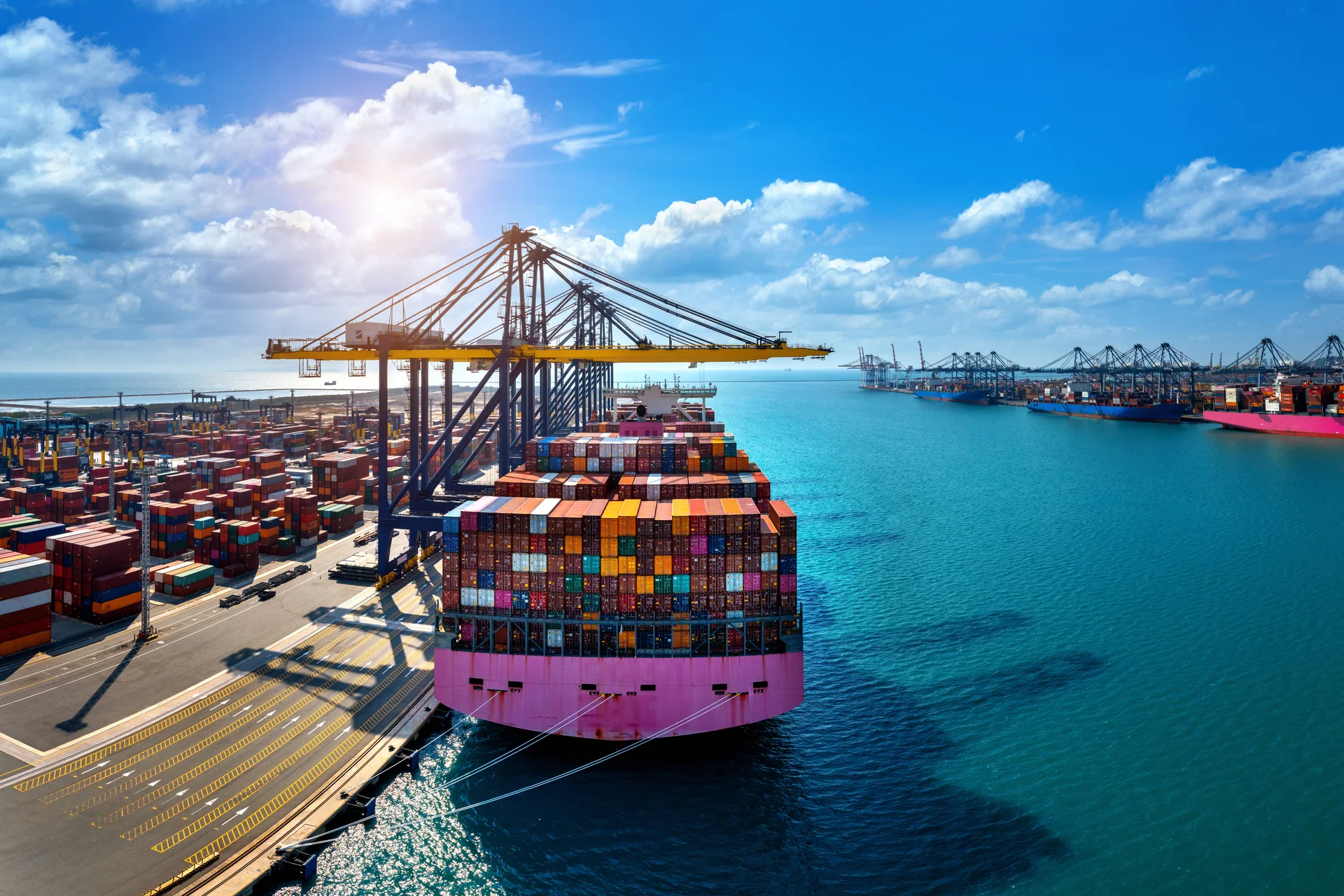
In an era where digital transformation touches every industry, the shipping sector stands as a testament to how technology can revolutionize centuries-old practices. The maritime industry, traditionally known for its conventional approaches, is now riding the wave of technological innovation. From smart ports to autonomous vessels, from real-time tracking to artificial intelligence-driven operations, technology is not just changing the game – it’s creating an entirely new playbook for global maritime commerce.
Enhanced Efficiency: Automation and Smart Operations
The integration of automation technologies has fundamentally transformed how shipping operations are conducted. Automated port terminals now utilize robotic cargo handling systems, reducing loading and unloading times by up to 30%. Smart containers equipped with IoT sensors continuously monitor cargo conditions, while AI-powered logistics systems optimize cargo placement and vessel utilization.
Revolutionary technologies like digital twins create virtual replicas of vessels and port operations, enabling operators to simulate and optimize processes before implementation. Automated documentation systems have drastically reduced paperwork processing times from day to minute, while blockchain technology ensures transparent and efficient transaction processing across the supply chain.
Robotics and autonomous systems are increasingly handling dangerous or repetitive tasks, improving both safety and operational efficiency. These advancements have led to significant cost reductions, faster turnaround times, and improved resource allocation across the industry.
Sustainability: Navigating Towards a Greener Future
Environmental consciousness has become a driving force in shipping technology innovation. Advanced propulsion systems and alternative fuels are leading the charge toward sustainable shipping practices. Hybrid-electric engines, hydrogen fuel cells, and wind-assisted propulsion technologies are revolutionizing vessel design and operation.
Smart weather routing systems optimize vessel paths to reduce fuel consumption and emissions, while hull optimization technologies minimize water resistance and improve fuel efficiency. Advanced scrubber systems and ballast water treatment technologies help reduce environmental impact, ensuring compliance with increasingly stringent environmental regulations.
The industry is witnessing the emergence of zero-emission vessels, with major shipping companies investing heavily in developing environmentally friendly ships. AI-powered energy management systems continuously monitor and optimize energy consumption, helping reduce the industry’s carbon footprint while maintaining operational efficiency.
Data-Driven Decisions: The Power of Maritime Analytics
Big data analytics have emerged as a game-changer in maritime operations. Advanced analytics platforms process vast amounts of data from multiple sources – weather patterns, vessel performance metrics, cargo tracking information, and market trends – to provide actionable insights for decision-makers.
Predictive analytics helps forecast equipment maintenance needs, reducing unexpected breakdowns and optimizing maintenance schedules. Machine learning algorithms analyze historical data to predict optimal routes, considering factors like weather conditions, port congestion, and fuel consumption.
Real-time analytics enable shipping companies to make informed decisions about route planning, fuel management, and cargo handling. These data-driven insights have transformed risk assessment and strategic planning, leading to more reliable and cost-effective operations.
Improved Connectivity: The Connected Maritime Ecosystem
Enhanced connectivity has created a seamless network linking vessels, ports, and stakeholders across the global shipping ecosystem. Satellite communication systems provide high-speed internet connectivity at sea, enabling real-time communication and data transfer between ships and shore-based operations.
5G technology and advanced communication networks facilitate instant information exchange, enabling better coordination between different parts of the supply chain. Virtual reality (VR) and augmented reality (AR) applications are being used for remote maintenance support and crew training, reducing operational costs and improving safety standards.
The Internet of Things (IoT) has created a network of connected devices that continuously monitor every aspect of shipping operations. From engine performance to cargo conditions, from weather monitoring to navigation systems, improved connectivity ensures that critical information is always available to decision-makers.
Farryn’s Vision: Leading the Digital Maritime Revolution
As a pioneer in maritime innovation, Farryn Company stands at the forefront of this technological transformation. With its comprehensive suite of digital solutions and forward-thinking approach, Farryn is actively shaping the future of container shipping. The company’s commitment to developing cutting-edge technologies aligns perfectly with the industry’s evolving needs.
Farryn’s innovative platforms integrate seamlessly with existing maritime operations, offering solutions that address each crucial aspect of modern shipping. From advanced automation systems to sustainable shipping solutions, from data analytics platforms to comprehensive connectivity solutions, Farryn’s technological ecosystem is designed to meet the complex demands of contemporary maritime operations.
The company’s dedication to innovation is evident in its investment in research and development, particularly in areas such as:
- AI-powered logistics optimization
- Sustainable shipping technologies
- Advanced data analytics solutions
- Revolutionary connectivity platforms
Through these initiatives, Farryn is not just participating in the industry’s digital transformation – it’s actively leading it, setting new standards for efficiency, sustainability, and innovation in global shipping.
Conclusion: Charting the Course for Maritime Innovation
The technological transformation of the shipping industry represents more than just an upgrade of existing systems – it’s a complete paradigm shift in how maritime operations are conceived and executed. Enhanced efficiency through automation, commitment to sustainability, data-driven decision-making, and improved connectivity are not just trends but fundamental pillars supporting the future of global shipping. As we look at the horizon, it’s clear that technology will continue to drive innovation in the maritime sector. Companies that embrace these technological advancements will be better positioned to navigate the challenges of modern shipping, while those that resist change risk being left behind. The future of shipping is digital, connected, and sustainable – a future where technology and tradition converge to create a more efficient, environmentally conscious, and interconnected maritime industry.