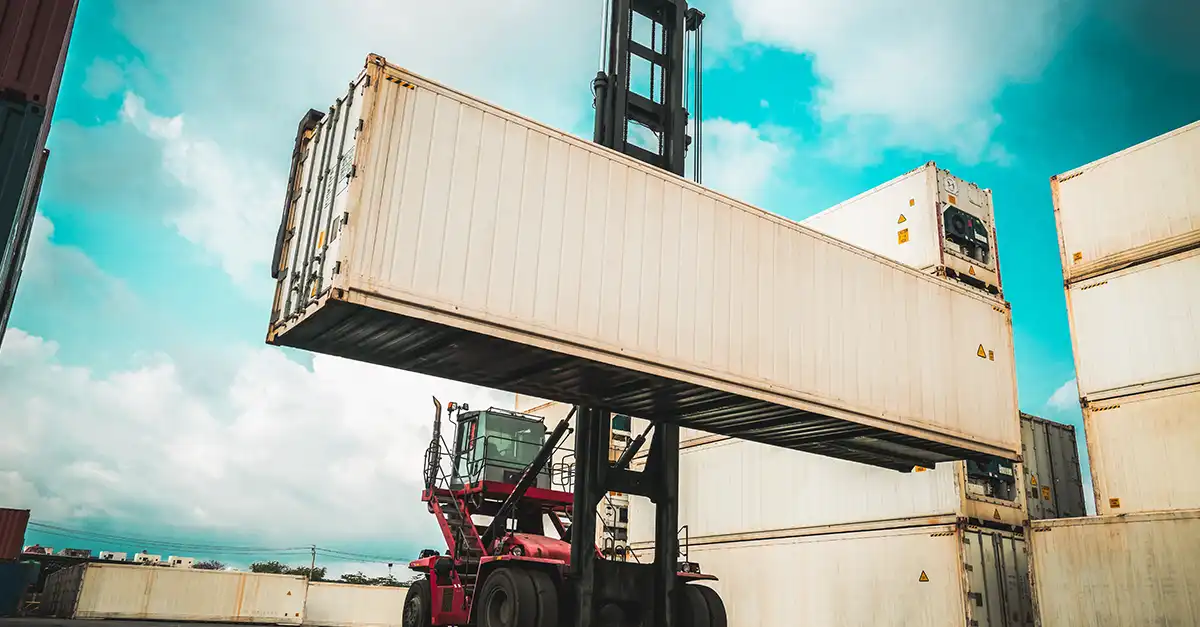
Refrigerated Exports and Imports in Emerging Global Markets
Refrigerated container transport represents one of the most sensitive and rapidly expanding segments of global trade. The growing exchange of fresh food products, pharmaceuticals, and temperature-sensitive goods has encouraged many exporters and importers to explore new opportunities in both nearby and distant markets.
At the same time, environmental concerns and efforts to reduce carbon footprints have prompted transport companies and traders to adopt more sustainable routes and technologies. This article provides an overview of target markets, emerging routes, and sustainable approaches in refrigerated transport, concluding with practical recommendations for businesses intending to utilize reefer container sea freight services.
Target Markets and Emerging Routes in the Cold Chain
A thorough understanding of target markets and efficient distribution routes is a fundamental prerequisite for success in export and import operations. In recent years, demand patterns for refrigerated transport have shifted, creating new prospects for producers and consumers alike. The Asia-Pacific region, accounting for more than half of the global market share, plays a pivotal role in this sector.
Countries such as China, India, Japan, and Australia have become primary export destinations due to economic growth and rising demand for imported food products. In addition, the United States remains the world’s largest cold chain consumer market, and reports indicate that its refrigerated imports are projected to grow by approximately 10 percent in 2025. This rising demand has led Latin American producers—including Brazil, Chile, and South Africa—to expand their supply to this market.
Moreover, the Middle East and North Africa are recognized as emerging growth regions. Reports suggest that the cold chain market in this region will expand at an annual rate exceeding 7 percent through 2030. Countries such as Oman, Egypt, and Saudi Arabia have increased their exports of fresh seafood to Asia and Europe by investing in aquaculture and leveraging Red Sea maritime routes. Similarly, Morocco and Jordan are expanding their infrastructure to assume a more significant role in this evolving market.
The role of these routes can be summarized as follows:
- Asia – United States: The rising consumption of imported food products, particularly fresh fruits and vegetables, has stimulated the expansion of direct routes and expedited services between Asian ports and both the West and East Coasts of the United States.
- Latin America – Europe: Fruit and meat producers in South America have established new routes to Northern European ports in order to reduce transit times and preserve product quality.
- Middle East – Asia: The growing export of seafood and dairy products from Oman and Egypt to countries such as China and Singapore requires modern reefer services and real-time monitoring capabilities.
- Domestic – Port: In certain countries such as India, refrigerated rail lines have been launched between production zones and ports, reducing transit time and fuel consumption.
- Green Alternative Routes: The establishment of “green corridors” for low-carbon transport between ports in China, India, Brazil, and Africa is expanding, offering opportunities for environmentally conscious exporters.
These developments not only create new commercial opportunities but also introduce risks and complexities. For example, some traditional routes may face delays or higher costs due to geopolitical issues or environmental restrictions. Exporters should therefore continuously monitor market trends and route changes and collaborate with reliable partners.
Green Challenges and Opportunities in Transport
The expansion of refrigerated transport without environmental considerations can have significant ecological impacts. The maritime transport sector accounts for approximately three percent of global greenhouse gas emissions, and refrigerated containers contribute considerably due to energy consumption and the use of harmful refrigerants. A standard reefer container consumes between 96 and 139 kWh of electricity within 24 hours, and if it uses HFC gases such as R134a, its global warming impact is extremely high. It is estimated that energy consumption and refrigerant leakage in this sector generate more than 140 million tonnes of CO₂ equivalent annually.
Nevertheless, various solutions exist to reduce this carbon footprint, many of which are being implemented rapidly:
Natural Refrigerants and Energy-Efficient Containers
Conventional gases such as R134a have a global warming potential more than one thousand times that of carbon dioxide. Consequently, many companies are shifting toward natural refrigerants such as CO₂ or propane, whose warming impact is below 10. Moreover, newly designed containers with enhanced insulation and low-energy systems help decrease electricity consumption. Ongoing projects aim to optimize and monitor container performance; for instance, initiatives in Costa Rica and South Africa are deploying natural refrigerants in reefer containers to reduce harmful leakage and provide local technical training.
Digitalization and Intelligent Monitoring
Today, most reefer containers are equipped with IoT sensors that continuously transmit temperature, humidity, and location data. These systems enable rapid alerts and automatic adjustments. Artificial intelligence can optimize transport routes and reduce fuel consumption. In certain warehouses, predictive analytics is used for maintenance planning, identifying potential issues before they occur. These technologies not only benefit the environment but also lower operational costs.
Sustainable Energy and Green Transport
Another major initiative involves using clean energy sources to power containers and transport fleets. Installing solar panels on reefer containers reduces reliance on diesel fuel and has achieved up to 40 percent fuel savings in some projects.
In addition, electric or hybrid trucks have been introduced for short-haul transport and last-mile delivery. These vehicles reduce greenhouse gas emissions while lowering fuel expenses. One proposed measure is adjusting the storage temperature of frozen goods from –18°C to –15°C, which could reduce several million tonnes of greenhouse gas emissions annually without compromising product quality.
Green Corridors and Low-Carbon Fuels
Green corridors refer to trade routes where low- or zero-carbon fuels are utilized and appropriate infrastructure is provided. In recent years, more than twenty-five new corridors have been established worldwide, with major investments from countries such as China, India, Brazil, Chile, Ghana, and Kenya.
By using fuels such as green methanol, ammonia, or hydrogen and supporting renewable energy integration, these corridors help reduce pollution and provide competitive advantages for countries and companies. However, the cost of these fuels remains higher than that of fossil fuels, and narrowing this gap requires governmental and financial support.
Sustainability Opportunities in the Market
Despite existing challenges, sustainability represents not only a social responsibility but also a commercial opportunity. In developed markets, consumers are willing to pay a premium for products transported through environmentally friendly methods. Companies that prioritize innovation and participate in carbon-reduction initiatives can benefit from governmental and financial support. Investors increasingly favor businesses with transparent environmental strategies; therefore, adopting clean technologies and reporting emissions accurately can generate a competitive edge.
Recommendations for Exporters and Importers
Having examined market dynamics and sustainability trends, several practical recommendations can help businesses capitalize on opportunities while mitigating risks:
- Market and Customer Analysis: Before selecting a destination, conduct a comprehensive assessment of demand, import regulations, cold storage infrastructure, and political stability. Economically dynamic countries with young populations often present promising markets for fresh products.
- Assessment of New Routes: Explore innovative services and alternative routes, including refrigerated rail lines, shorter maritime routes, or green corridors. These options can accelerate delivery, reduce costs, and lower fuel consumption.
- Selection of Specialized Service Providers: Choose companies with substantial expertise in managing reefer containers and a commitment to sustainability. Ensure their fleets include modern containers equipped with natural refrigerants and intelligent monitoring systems.
- Utilization of Digital Platforms: Many shipping lines and freight forwarders offer online quotation and booking tools. These platforms enable price comparison, schedule visibility, and shipment tracking. Before submitting a request, prepare details such as weight, dimensions, packaging type, required temperature, HS code, and ports of origin and destination to obtain accurate pricing.
- Documentation Compliance: Shipping documents—such as the commercial invoice, packing list, and certificate of origin—must be prepared accurately and comprehensively to avoid delays and penalties. If utilizing green corridors or advanced technologies, additional documentation may be required to meet environmental standards.
- Time and Season Management: Demand and freight rates fluctuate throughout the year. Harvest seasons or holiday periods may increase costs. Early planning and advance booking help secure capacity and avoid peak-season surcharges.
- Local Suppliers and Inland Logistics: To maintain temperature control throughout the journey, collaboration with local logistics providers—such as refrigerated trucks and cold storage facilities—is essential. If cargo is transported from distant inland regions to ports, consider solutions such as refrigerated rail to reduce transit time.
- Request Sustainability Metrics: During negotiations with carriers, inquire about container energy consumption, refrigerant types, environmental certifications, and carbon-reduction policies. This approach not only supports environmental protection but can also enhance your brand value in global markets.
By adhering to these recommendations, you increase your prospects for success and capitalize on the advantages of emerging markets. Many companies that balance service quality with environmental responsibility have successfully built customer trust and strengthened their market position.
Reefer Container Transport with Farryn
The refrigerated transport sector is undergoing transformation. On one hand, new markets are emerging with modern infrastructure and innovative routes that facilitate access to customers. On the other hand, mounting pressure to reduce environmental impacts is driving the industry toward green technologies and sustainable corridors. These changes present not only challenges but also substantial commercial opportunities for companies that proactively plan and adapt.
If you are an exporter or importer seeking to introduce your refrigerated cargo to new markets, it is prudent to consider both economic performance and sustainability simultaneously. Our team is prepared to analyze your specific needs and provide tailored recommendations regarding route selection, container type, and cost- and carbon-reduction strategies. To obtain an accurate quotation and secure your booking, please contact us or complete the request form. Drawing on market expertise and advanced technologies, our consultants will ensure your shipment reaches its destination punctually and in optimal condition.