Delays in Reefer Transport and Lack of Loading Priority: The Perishable Exporters’ Nightmare
Exporting perishable goods—such as fresh agricultural produce, frozen food products, and temperature-sensitive pharmaceuticals—is a race against time. In this high-risk segment, every minute of delay can compromise product quality and jeopardize shipment profitability. When a consignment is disrupted or fails to receive sufficient loading priority at the quay, alarm bells start ringing for the exporter. Exporting perishable goods—such as fresh agricultural produce, frozen food products, and temperature-sensitive pharmaceuticals—is a race against time. In this high-risk segment, every minute of delay can compromise product quality and jeopardize shipment profitability. When a consignment is disrupted or fails to receive sufficient loading priority at the quay, alarm bells start ringing for the exporter.

Operational Challenges in Loading Refrigerated Shipments Within the Export Cold Chain
In today’s international trade environment, exporters encounter numerous obstacles at ports and terminals that can lead to delays in reefer shipments. Any slowdown in loading refrigerated containers onto vessels or trucks not only disrupts schedules but also threatens cargo integrity. Some of the most significant current issues include:
Port Traffic and Congestion:
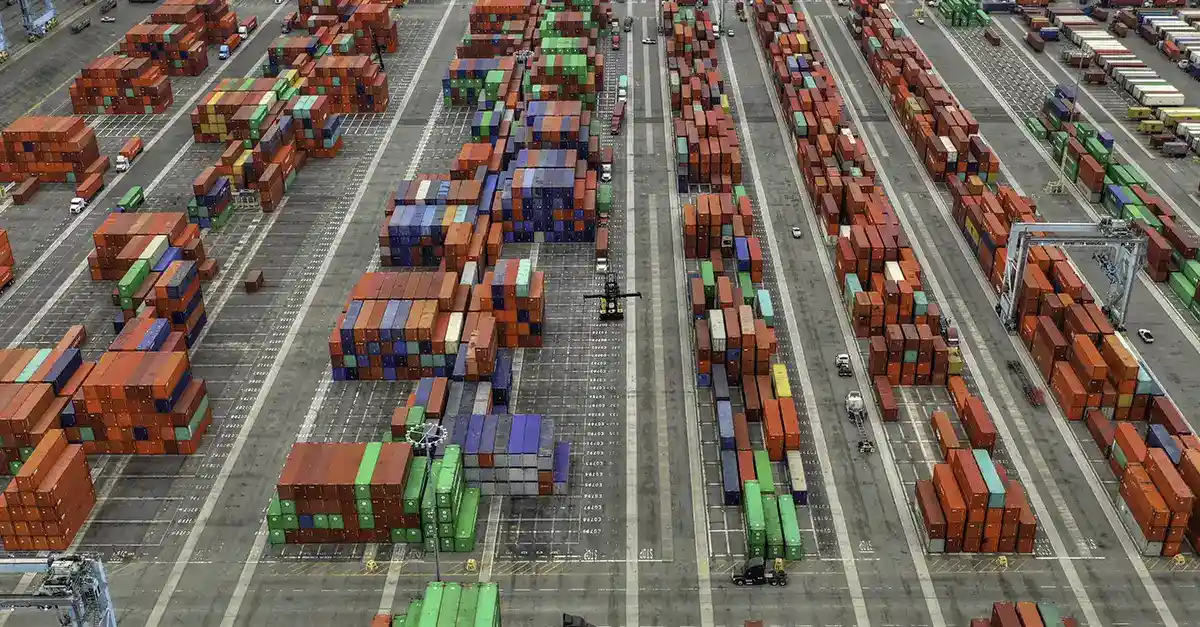
The expansion of global trade alongside limited infrastructure capacity has resulted in congestion at major ports. Across many international hubs, terminal saturation causes delays in the discharge and loading of reefer containers. This congestion may sometimes force shipments to be redirected to secondary terminals, which in turn increases both transit time and overall costs.
Shortage of Refrigeration Equipment and Cold Storage Facilities:
Limited Availability of Reefer Containers and Cold Storage Capacity:
The restricted number of refrigerated containers and insufficient cold storage space at terminals create significant operational challenges. For instance, it has been reported that more than 50% of Iran’s foreign trade consists of perishable goods, while at one point the national shipping fleet had access to only around 200 reefer containers—many of which were aging and outdated. This imbalance between available equipment and market demand inevitably results in slower operations and extended waiting times for shipments in loading queues.
Workforce and Operational Constraints:
A shortage of skilled labor—from port workers to refrigerated truck drivers—represents another bottleneck that slows cargo movement. Any operational misalignment, labor strike, or temporary shutdown can disrupt vessel schedules and leave temperature-sensitive goods stranded.
Lengthy Administrative Procedures and Inspections:
Increasingly stringent food safety and health regulations have led to more rigorous inspections and documentation controls. For example, an incomplete health certificate or minor documentation error may result in a shipment being held at customs for several days. Perishable goods, however, do not have the luxury of time. Random inspections or clearance delays can easily close the narrow export window available for temperature-sensitive cargo.
Taken together—particularly when shipping lines fail to grant adequate priority to refrigerated cargo—these factors significantly complicate the export of perishable goods. The ultimate consequence is that reefer containers remain at the terminal or on board vessels beyond their planned schedule, thereby jeopardizing cargo integrity.

The Impact of Delays on Product Quality and Market Performance
Every hour of delay for a perishable shipment effectively diminishes its remaining shelf life. Even a brief disruption in the cold chain accelerates deterioration and triggers a cascade of adverse consequences. This section examines the most critical effects of transportation delays on product quality, target markets, and the exporter’s profitability.
Decline in Product Quality and Shelf Life
The first and most immediate consequence is a reduction in the product’s physical quality. Even if the cold chain is not entirely interrupted, prolonged transit times compromise the freshness of fruits and vegetables, push meat and dairy products closer to expiration, and diminish the efficacy of temperature-sensitive pharmaceuticals.
For example, in the case of delicate produce such as strawberries or leafy greens, a 24-hour delay can determine whether the product arrives fresh or spoiled. Moreover, temperature fluctuations—caused by a reefer container losing power while awaiting loading or a refrigerated truck being held in traffic—may result in thermal shock and latent spoilage that is not immediately visible but ultimately compromises product integrity.
Direct Financial Losses and Ancillary Costs
Quality degradation or partial spoilage translates into direct financial loss for the exporter, as damaged goods must either be discarded or sold at a discounted price. However, the financial impact extends beyond the loss of merchandise. Prolonged delays frequently incur demurrage and storage charges, adding extra costs for retaining containers at ports or terminals.
Even if insurance covers part of the loss, higher future premiums and additional expenses—such as arranging replacement shipments or reprocessing orders—can significantly erode the overall profitability of the transaction.
Loss of Market Share and Commercial Credibility
The market for fresh products is inherently time-sensitive. If a shipment arrives late, the selling season may have ended, or competitors may have already fulfilled demand. This can result in lost sales opportunities or force exporters to lower prices.
More importantly, international buyers rely on timely delivery and uncompromised quality. Delays and deterioration can undermine their confidence. Customers who receive substandard goods may cancel future orders and turn to alternative suppliers. Consequently, the exporter’s reputation suffers, and long-term commercial relationships may be jeopardized.
Legal and Safety Consequences
In summary, delays in transportation or failure to prioritize the loading of refrigerated cargo create a negative domino effect—from product spoilage and financial loss to market erosion and reputational damage. Preventing such delays is therefore essential to safeguarding both product quality and profitability.
In summary, delays in transportation or failure to prioritize the loading of refrigerated cargo create a negative domino effect—from product spoilage and financial loss to market erosion and reputational damage. Preventing such delays is therefore essential to safeguarding both product quality and profitability.

Online Temperature Monitoring of Reefer Containers
In the era of digital transformation, one of the most promising strategies for mitigating unexpected delays is the integration of advanced technologies into transportation operations. Digital solutions enhance transparency and control within the cold chain and provide timely alerts that prevent minor disruptions from escalating into full-scale crises. Key approaches include:
Real-Time Tracking and Monitoring
Installing IoT sensors and GPS devices on refrigerated containers enables continuous, real-time monitoring of both location and internal temperature throughout the journey. Exporters can remotely verify that temperatures remain within safe parameters and receive immediate notifications of technical malfunctions, such as refrigeration unit failure.
This real-time visibility empowers decision-makers to take swift corrective actions in response to delays or route deviations—for instance, rerouting shipments to alternative ports or activating contingency plans.
Real-Time Tracking and Monitoring
Advanced software platforms can anticipate bottlenecks before they occur. Artificial intelligence systems analyze weather patterns, maritime traffic data, and port congestion levels to identify high-risk zones and recommend alternative routes or schedules.
Such predictive capabilities allow exporters to adopt proactive strategies rather than reacting after a delay has already caused damage.
Digitalization of Documentation and Clearance Procedures
Documentation errors remain a primary cause of customs delays. Implementing integrated document management systems and electronic health certificates can significantly accelerate clearance procedures.
When shipment data—from certificates of origin to sanitary approvals—is digitally accessible and transparent to customs authorities, the likelihood of errors and prolonged inspections decreases substantially.
When shipment data—from certificates of origin to sanitary approvals—is digitally accessible and transparent to customs authorities, the likelihood of errors and prolonged inspections decreases substantially.
The implementation of these digital solutions functions as a form of preventive insurance for temperature-sensitive exports. Technology enables exporters to monitor their perishable cargo with clarity and precision, ensuring that timely intervention is possible whenever necessary.
The Role of Logistics Planning in Preventing Time Loss
No technology can substitute for intelligent logistics planning. Exporters who proactively prepare for multiple scenarios are far less likely to be caught off guard by unexpected delays. Effective logistics planning involves selecting optimal routes and transport modes, establishing precise schedules, and developing contingency strategies. The following are key planning dimensions aimed at minimizing delays:
Strategic Scheduling and Safety Buffers
One of the most important lessons in perishable exports is dispatching shipments ahead of the anticipated deadline. Incorporating a time buffer into the schedule ensures that if goods must arrive by the end of the month, they are shipped during the earlier weeks to allow room for recovery in case of disruption.
This safety margin becomes particularly critical during peak export seasons—when ports are congested—or during periods of heightened weather risk. A well-calibrated timeline transforms uncertainty into manageable risk.
Diversification of Routes and Gateways
Relying exclusively on a single port or shipping line can expose exporters to substantial operational risk. Professional exporters identify and evaluate alternative gateways in advance. For example, if the primary national port experiences congestion, the feasibility of shipping through another port—albeit at a slightly higher cost—is assessed.
Similarly, if a particular maritime route is subject to delay, multimodal combinations such as sea–land or sea–air transport may serve as viable alternatives. Route diversification functions as a risk distribution strategy, preventing the entire export chain from being paralyzed by a single bottleneck.
End-to-End Supply Chain Coordination
Effective logistics planning adopts an integrated perspective—from factory floor to destination warehouse. For instance, pre-cooling agricultural products before container loading extends shelf life and enhances resilience against potential interruptions.
Precise coordination with refrigerated truck operators ensures that containers arrive at the port neither prematurely—resulting in prolonged waiting time—nor too late—risking a missed sailing. This holistic synchronization reduces idle time and safeguards cargo quality.
Some advanced shipping providers offer Door-to-Door services, whereby cargo is transported directly from the production site to the final destination. By eliminating intermediate storage at ports, this approach reduces exposure to delays and customs hold-ups, accelerating delivery and minimizing risk.
Contingency Planning and Crisis Management
A robust logistics strategy always incorporates a Plan B—and often a Plan C. For instance, if the primary shipping line cannot accommodate the shipment as scheduled, capacity on an alternative carrier may already be reserved.
In the event of extended delays at destination, arrangements may be in place to transfer cargo to a nearby cold storage facility to preserve product integrity. Pre-negotiated agreements with backup carriers and storage providers act as a safety net during operational disruptions. Even if these contingencies are never activated, their existence provides strategic reassurance.

Specialized Refrigerated Transport Services: A Lifeline for Temperature-Sensitive Exports
Beyond exporters’ internal measures, specialized refrigerated logistics providers play a pivotal role in addressing delay-related challenges. In recent years, companies dedicated exclusively to temperature-sensitive cargo have emerged, investing heavily in modern equipment and customized services.
Such providers effectively serve as structured solutions to mitigate delay risks.
For example, Farryn Sahel Arvand—a specialized shipping company focused on refrigerated container transport—has structured its operational strategy around resolving precisely these challenges. By maintaining a well-equipped fleet of containers, particularly reefer units, and leveraging diversified maritime routes, the company strives to deliver temperature-sensitive shipments to global destinations in the shortest possible time.
The availability of sufficient, well-maintained reefer containers ensures exporters are not delayed due to equipment shortages, enabling faster loading and dispatch. Furthermore, professional monitoring teams supervise temperature and humidity levels throughout transit, ensuring uninterrupted cold chain integrity.
Specialized refrigerated carriers often establish direct maritime services or scheduled routes tailored to the needs of perishable markets. For instance, regular sailings to destinations such as East Africa or the Persian Gulf—where Iranian agricultural products are in demand—eliminate intermediate transshipment stops.
By reducing unnecessary port calls and transit points, these direct routes shorten voyage duration and minimize the risk of containers being stranded mid-route. Consequently, exporters gain greater certainty regarding delivery timelines.
Another critical advantage of these specialized services is integrated supply chain management. From the moment cargo is collected at the origin cold storage facility to final delivery at the destination warehouse, the entire process is managed through a coordinated network. This unified oversight enhances accountability and reduces the risk of delay arising from fragmented responsibility.
Market experience demonstrates that exporters partnering with specialized refrigerated carriers encounter significantly fewer instances of prolonged delays and cargo spoilage. While such services may marginally increase freight costs, the long-term benefits—enhanced reliability, reduced waste, and sustained customer loyalty—ultimately generate superior profitability.
Your Export Future Begins with Today’s Decision
In the export of perishable goods, time is either the guarantor of quality or its greatest threat. Every minute matters. Delays in transport or failure to prioritize refrigerated shipments can nullify the efforts of farmers, producers, and traders alike.
Conversely, strategic planning and the adoption of innovative solutions can transform time into a competitive advantage. Exporters who embrace digitalization, logistics optimization, and collaboration with specialized service providers not only mitigate the risk of spoilage and financial loss but also strengthen their reputation as dependable suppliers in international markets.
If you are active in the temperature-sensitive export sector, now is the ideal moment to assess vulnerabilities within your logistics chain and reinforce them with the strategies outlined above. Even a simple rate inquiry or consultation with a specialized refrigerated transport provider may unlock new pathways to export efficiency.
In a race against time, any measure that reduces delay and enhances delivery quality constitutes a strategic investment in the sustainable future of your business.