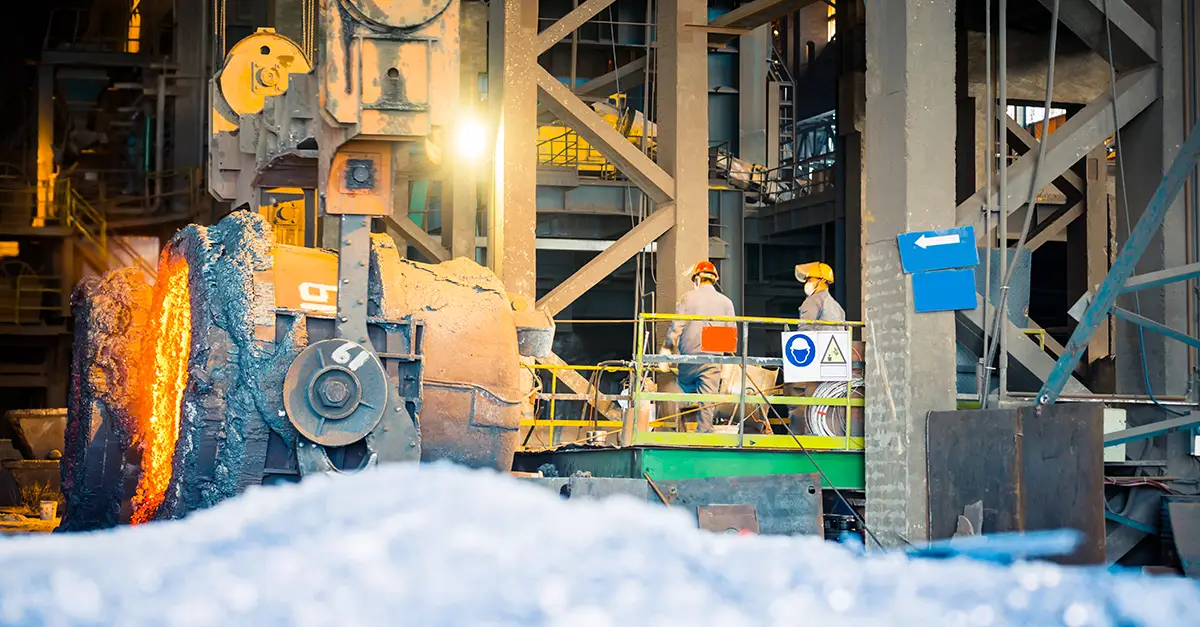
Innovative Solutions in Mineral Trade: From Extraction to Export
Importing mineral commodities plays a critical role in ensuring the uninterrupted supply of raw materials required by domestic industries and in supporting the overall integrity of the production value chain. These materials—ranging from metallic to non-metallic minerals—constitute the backbone of strategic industries such as steelmaking, cement, ceramics, and chemical manufacturing. Any disruption in supply or a decline in material quality can significantly impede domestic industrial output.
A solid understanding of the legal, regulatory, and procedural framework governing the import and export of mineral commodities is essential for economic operators. The process is subject to oversight by customs, standards authorities, and environmental regulators. This article provides a comprehensive operational overview of the legal architecture, administrative steps, technical requirements, opportunities, and challenges associated with mineral importation, enabling market participants to make informed and compliant decisions.
Definition of Minerals and the Importance of Imports
Minerals are naturally occurring substances extracted from the Earth’s crust and play a vital role in the advancement of industrial production, agriculture, public health, and various technological fields. They fall broadly into two main categories:
- Metallic minerals, such as iron, copper, chromium, lead, and zinc, which are predominantly used in metallurgy, construction, and industrial equipment manufacturing.
- Non-metallic minerals, including phosphates, barite, kaolin, silica, and carbonates, which are essential for producing cement, glass, chemical compounds, industrial coatings, and even pharmaceutical products.
Despite Iran’s substantial mineral reserves, the importation of certain minerals remains necessary due to several factors:
- Insufficient domestic reserves: Certain minerals, such as lithium and various rare earth elements, are scarce or unavailable locally.
- Substandard domestic quality: In some cases, locally extracted minerals fail to meet industrial purity, composition, or performance standards.
- Cost efficiency: Importing mineral commodities may be more economical than local extraction and processing.
- Industrial continuity: Imports ensure that downstream industries maintain access to high‑quality inputs without production delays.
Thus, mineral imports not only fill critical supply gaps in the production chain but also stimulate downstream industrial growth, enhance domestic manufacturing output, and support non‑oil export development. Regulatory frameworks governing the import of mineral commodities aim to balance the protection of domestic resources with the operational needs of local industries.
Legal Framework and Regulations Governing Mineral Import and Export
As with other traded goods, the importation of mineral commodities is governed by an extensive set of national and international regulations. These rules are intended to safeguard economic interests, prevent environmental harm, and ensure the quality and safety of imported materials.
In Iran, the Export and Import Regulations Act serves as the principal legal reference. Under this framework, imported goods fall into three categories: permitted, conditional, and prohibited. Most mineral commodities are classified as permitted or conditional, meaning their import requires licenses from the relevant regulatory bodies.
Additionally, the Iranian Mining Act provides a regulatory foundation for the management of mineral extraction and trade. Although primarily focused on domestic resource governance, it indirectly influences imports by identifying minerals requiring protection, restrictions, or import controls.
International regulations and sanctions further shape the import landscape. Banking restrictions and foreign trade sanctions can complicate procurement and payment processes. Moreover, imported minerals are subject to customs duties, port charges, VAT, and various logistics-related fees.
Importers must therefore closely monitor domestic legislation, Ministry of Industry, Mine and Trade directives, customs regulations, and global market conditions. Thorough regulatory compliance mitigates legal and financial risks throughout the trading process.
Administrative Procedures and Import Formalities for Mineral Commodities
Mineral importation is not limited to procurement and physical shipment; it involves a series of mandatory administrative and regulatory steps designed to ensure product quality, compliance, and environmental protection.
Key procedural stages include:
- Order registration in official trade systems: The initial step involves registering the import order on national trade platforms, detailing commodity specifications, origin, and quantity.
- Obtaining mandatory licenses: Depending on the mineral type, importers may need permits from environmental authorities, the Ministry of Industry, Mine and Trade (MOIMT), or the Standards Organization.
- International transportation: Owing to their high volume and weight, minerals are typically transported via maritime or rail freight. Selecting the appropriate mode significantly affects cost and transit time.
- Customs clearance: Upon arrival, cargo must be formally declared. Physical inspection, document verification, and the settlement of customs duties and taxes are part of this process.
- Quality control and compliance testing: Certain minerals must undergo laboratory testing to verify conformity with national or international standards.
- Delivery to the final destination: After clearance, the cargo is moved to storage facilities or industrial plants for consumption or further processing.
Given the extensive documentation required at each stage, collaboration with licensed customs brokers and reputable logistics carriers can streamline the process and minimize operational risks.
Technical Requirements, Standards, and Certifications
Due to the chemical and physical nature of mineral commodities, stringent quality control protocols must be applied prior to their release for domestic use. Compliance with these standards is critical not only for industrial safety but also for ensuring credibility in international trade operations.
Key technical requirements include:
- National and International Standards: Minerals must meet Iranian national standards or globally recognized benchmarks such as ASTM, ISO, or EN, which specify composition, impurity levels, hardness, specific gravity, and other technical parameters.
- Certificate of Analysis (COA): Importers must provide a laboratory‑issued COA confirming the mineral’s composition and adherence to declared specifications.
- Certificate of Origin (CO): This document identifies the producing country and export route and is essential for customs valuation and tariff assessment.
- Environmental permits: Certain minerals—especially chemicals or powdered substances—may require environmental clearance due to potential ecological impact.
- Packaging and labeling compliance: Packaging must protect the cargo against moisture, impact, and contamination. Labels must include material identification, batch numbers, production dates, hazard warnings, and handling instructions.
- Material Safety Data Sheet (MSDS): Required for the import of hazardous or reactive minerals, the MSDS outlines safe handling, storage procedures, and hazard mitigation measures.
Restrictions and Prohibitions in Mineral Import and Export
Mineral imports, like many strategic commodities, are frequently subject to restrictions aimed at safeguarding domestic producers, preserving foreign currency reserves, protecting the environment, and aligning with political or international obligations.
Major restrictions include:
- Domestic industry protection: If local production is sufficient, the government may restrict imports or impose high tariffs to prevent market disruption.
- High customs tariffs: Certain minerals are subject to elevated duties to maintain equilibrium between imported and domestic goods.
- Environmental regulations: Minerals that pose environmental or health risks may require special permits or may be entirely restricted.
- Sanctions and international limitations: Due to geopolitical factors, Iran faces constraints that may hinder procurement from specific countries or restrict financial transactions.
- Re-export limitations: Some exporting countries prohibit the re-export of minerals purchased from them, especially under large-scale commercial agreements.
Challenges and Opportunities in Mineral Import and Export
Despite challenges such as sanctions, global market volatility, and administrative complexity, the import and export of mineral commodities in Iran present considerable opportunities. Continuous industrial demand, access to regional markets, and specialized logistics capabilities offer tangible growth potential.
Shipping and logistics companies such as Farryn Sahel Arvand, equipped with expertise in mineral transport, customs procedures, and international compliance, play a pivotal role in reducing risk and facilitating smooth trade operations. Their services help market participants capitalize on commercial opportunities while navigating legal, operational, and regulatory challenges effectively.