Introduction to African Ports and Their Strategic Significance
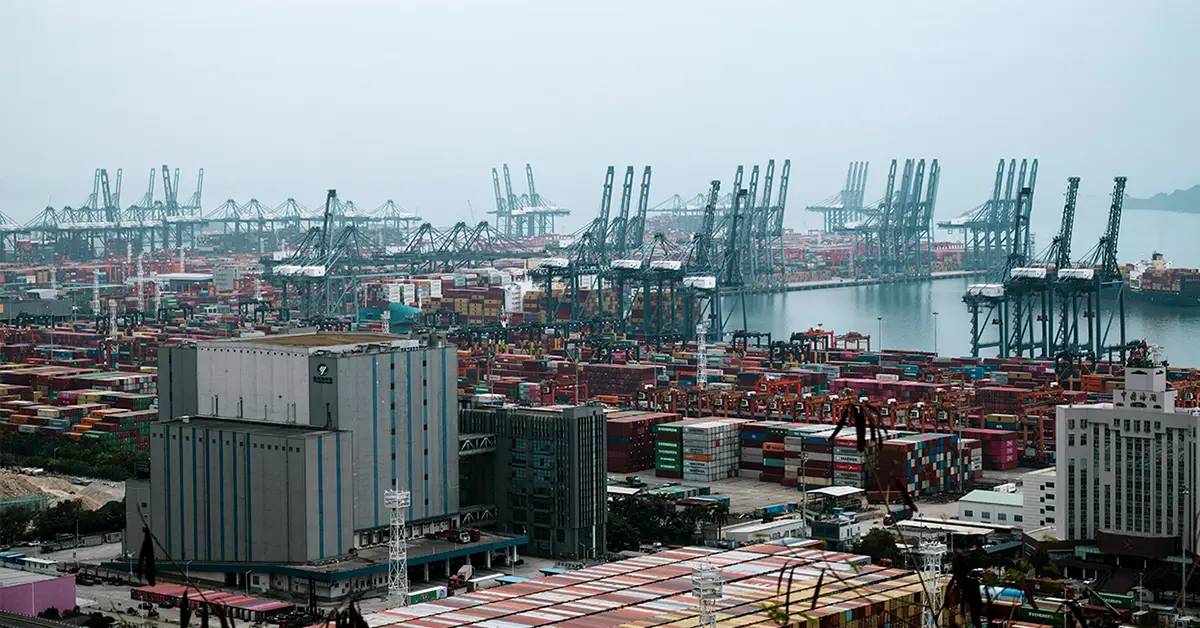
The African continent, with its strategic positioning and extensive coastlines, stands as a pivotal maritime trade region globally. African commercial ports, serving as primary gateways for the ingress and egress of goods, play an indispensable role in economic growth and international trade development. These maritime hubs not only facilitate African nations’ connectivity to global markets but also present substantial opportunities for investment and commercial collaborations. Understanding the foremost African maritime ports and their capacities can illuminate new perspectives for advancing trade and international partnerships, particularly with entities such as Iran and its active enterprises.
Overview of African Maritime Ports and Their Role in International Transportation
Africa, boasting over 30,000 kilometers of coastline along the Atlantic Ocean, Indian Ocean, and the Mediterranean Sea, is a significant maritime region worldwide. African maritime ports function as critical conduits for the import and export of goods, playing a vital role in the international trade of the continent’s nations. However, port infrastructure across many African countries remains underdeveloped relative to global standards, with operational capacities often constrained compared to major European and Asian ports.
In recent years, significant investments have been channeled into the development of African commercial ports by both national governments and international corporations. Ports such as Tanger-Med in Morocco, Durban in South Africa, and Mombasa in Kenya have emerged as crucial regional transportation hubs. By enhancing loading capacities and adopting advanced technologies, these ports effectively facilitate the export, import, and transit of cargo.
Furthermore, Africa’s strategic geographic location along key trade routes connecting Asia, Europe, and the Americas positions its ports as pivotal nodes within the global supply chain. Strategic development of African maritime ports can catalyze sustainable economic growth, stimulate job creation, and bolster the competitiveness of African economies in international markets.
Introduction to Major African Commercial Ports
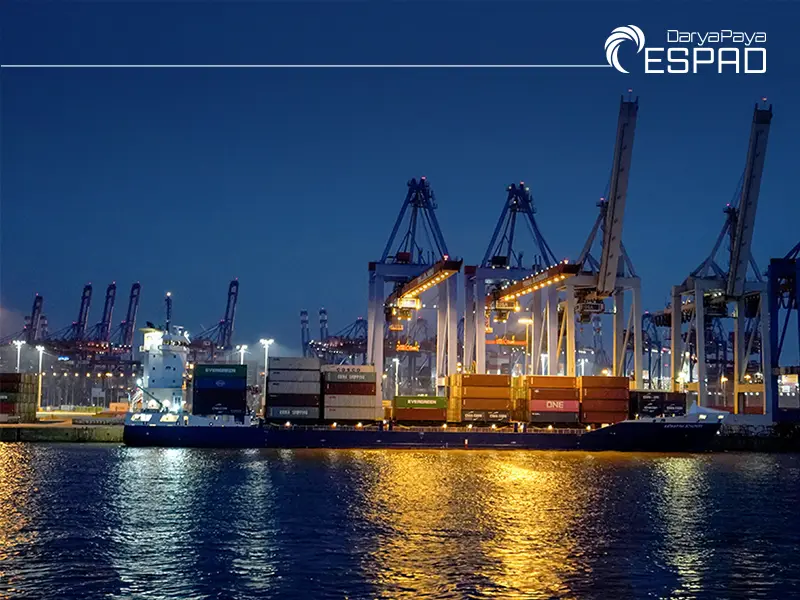
The African continent hosts hundreds of ports, ranging from minor to large-scale facilities, along its eastern and western coasts, contributing significantly to global trade. However, only a select few major ports have achieved international recognition as primary transit and export centers. The following section profiles some of the most significant commercial ports in Africa.
Port of Tanger Med (Morocco)
Located in northern Morocco near the Strait of Gibraltar, Tanger Med stands as Africa’s largest port. With an annual container throughput capacity exceeding 9 million TEUs, it plays a crucial role in connecting Africa to Europe and Asia. Its state-of-the-art infrastructure and adjacent industrial free zones have established Tanger Med as one of Africa’s most advanced maritime facilities.
Port of Durban (South Africa)
Durban is South Africa’s busiest port and one of the continent’s oldest maritime transport hubs, situated on the Indian Ocean coast. It handles a substantial volume of the nation’s imports and exports. Enhancements in container handling equipment and logistics services have solidified Durban’s position as the commercial gateway to Southern Africa.
Port of Mombasa (Kenya)
Mombasa is a strategically vital port in East Africa, serving not only Kenya but also landlocked neighboring countries such as Uganda, Rwanda, and South Sudan for their international trade. Its prime geographic location, coupled with direct links to extensive road and rail networks, has positioned it as a key transit hub for the eastern part of the continent.
Port of Abidjan (Côte d’Ivoire)
As one of West Africa’s most dynamic ports, Abidjan handles a significant share of the region’s agricultural exports, including cocoa, coffee, and cotton. Equipped with modern loading and unloading facilities, it plays a pivotal role in regional trade with neighboring landlocked countries.
Port of Dar es Salaam (Tanzania)
Dar es Salaam is a prominent East African port undergoing continuous expansion. Beyond serving Tanzania, it functions as a crucial transit corridor for Zambia, Malawi, and the Democratic Republic of Congo. Recent development projects have significantly increased its capacity and improved service efficiency.
Port of Lagos (Apapa / Tin Can Island), Nigeria
The Port of Lagos, encompassing the Apapa and Tin Can Island port complexes, serves as Nigeria’s principal maritime gateway. It is a central hub for the export of oil, gas, and industrial goods, processing thousands of containers daily. Its proximity to Nigeria’s industrial and economic centers makes Lagos one of Africa’s most active commercial ports.
The Role of African Maritime Ports in the Continent’s Transit and Logistics Network
African maritime ports form the backbone of the continent’s transport and transit network. Over 90% of Africa’s foreign trade is conducted via sea, with the majority transiting through these ports. For many landlocked African nations, coastal ports are indispensable for their access to global markets.
Countries such as Uganda, Zambia, and Malawi utilize East African ports like Mombasa and Dar es Salaam for their import and export activities. These ports are interconnected with inland road and rail networks, facilitating rapid cargo transit to neighboring territories. Similarly, West African ports like Abidjan and Lagos serve as critical transshipment points for landlocked countries in West and Central Africa.
Recent investments in logistics infrastructure, including railway expansion, port warehousing, and digital cargo management systems, have enhanced operational efficiency and reduced transportation costs. The development of these networks not only streamlines intra-African trade but also strengthens Africa’s position in the global supply chain for raw material exports.
Future Outlook for African Commercial Ports and Investment Opportunities
The future trajectory of African commercial ports is exceptionally promising, driven by global trade trends and increasing investment. In recent years, African nations, in collaboration with international financial institutions like the African Development Bank (AfDB) and foreign investors, have initiated extensive projects for the modernization and expansion of maritime ports across the continent. The primary objectives include augmenting transit capacity, digitalizing port operations, and enhancing intermodal connectivity within Africa.
A significant investment opportunity lies in the development of special economic zones adjacent to major ports such as Tanger Med (Morocco), Lagos (Nigeria), and Durban (South Africa). These zones, offering fiscal incentives and advanced infrastructure, are designed to attract international companies and foster sustainable employment.
Furthermore, the adoption of advanced technologies, including intelligent port management systems, digital cargo tracking, and automated loading/unloading operations, promises to usher in an era of enhanced efficiency and competitiveness for African ports.
The implementation of the African Continental Free Trade Area (AfCFTA) is also expected to foster greater regional cooperation, elevating the role of ports in intra-African trade. Collectively, targeted investments in infrastructure, technology, and human capital development are poised to transform Africa into a major global logistics and trade hub in the coming decade.
Prospects for Commercial Cooperation between Iran and African Maritime Ports
Africa’s strategic location and advanced maritime ports offer extensive opportunities for expanding international trade. For Iran, these ports can serve as effective gateways to African markets and beyond, particularly for exporting industrial goods, agricultural products, and raw materials.
Farryn Sahel Arvand Shipping, with its specialized expertise in international logistics and transportation, plays a crucial role in facilitating Iran’s engagement with African maritime ports. By providing comprehensive shipping, transit, and trade advisory services, the company enables Iranian exporters to effectively leverage the capacities of African ports. Sustained collaboration and meticulous planning can significantly reduce turnaround times and optimize logistical costs.
Future projections indicate that judicious investment, infrastructure development, and enhanced connectivity networks will amplify trade opportunities between Iran and African nations. Utilizing African maritime ports not only facilitates international commerce but also bolsters Iran’s export capabilities and global market presence.
Ultimately, the synergy between Farryn Sahel Arvand Shipping’s expertise and the substantial capacities of African ports heralds a new era of sustainable and profitable commercial partnerships between Iran and African countries, potentially marking a significant milestone in Iran’s international trade landscape.