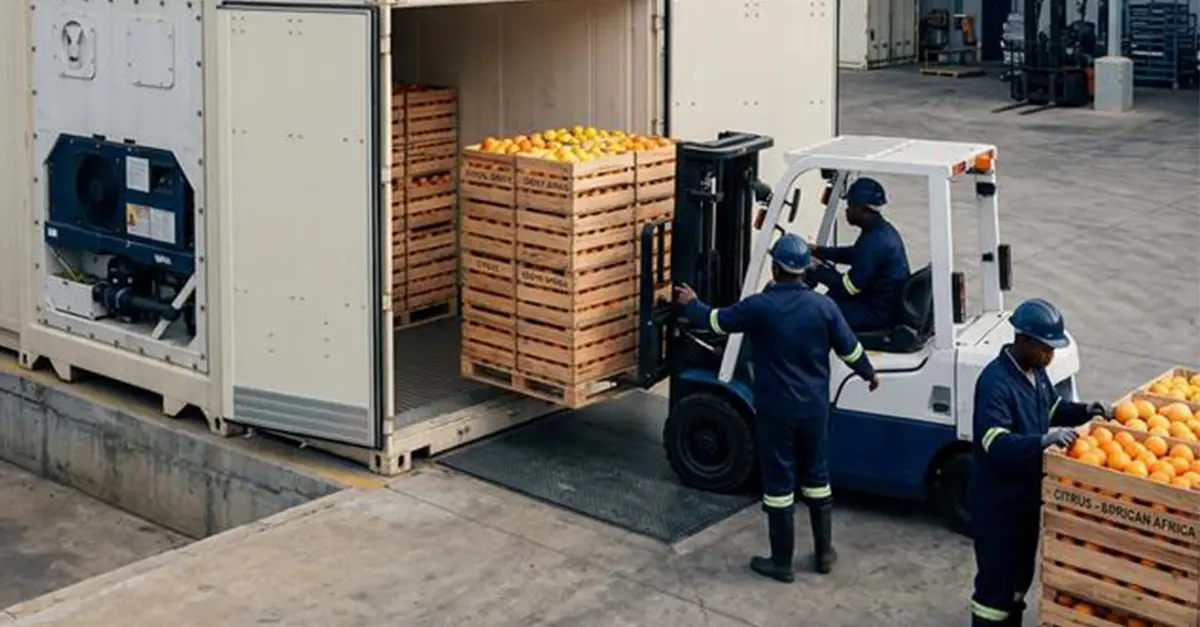
Importing Citrus from Iran in Reefer Containers
A Practical Guide for International and Persian Gulf Importers of Oranges, Mandarins, and Lemons
Iran’s Citrus Supply Potential and the Role of Reefer Logistics
Iran holds a significant position in citrus production across the Middle East and neighboring regions, offering a broad variety of oranges, mandarins, sour lemons, sweet lemons, grapefruits, and other citrus cultivars. Key producing provinces such as Mazandaran, Gilan, Fars, Kerman, Hormozgan, and Khuzestan supply considerable seasonal volumes that serve both domestic demand and international trade.
For buyers in the Persian Gulf, Russia, Central Asia, and other international markets, importing citrus from Iran can provide access to competitive seasonal supply, diverse varieties, and commercially attractive sourcing opportunities. However, successful citrus importation is not simply a matter of purchasing fruit and arranging vessel space. Citrus is a temperature-sensitive and time-sensitive commodity. Quality can be compromised by improper harvesting, insufficient sorting, inadequate packaging, poor pre-cooling, incorrect reefer settings, or port delays.
In this context, the proper use of refrigerated containers—commonly known as reefer containers—is central to maintaining product quality from origin in Iran to the destination market. A well-managed cold chain helps preserve freshness, appearance, shelf life, and commercial value throughout the entire logistics process.
Citrus Characteristics and Sensitivities During Ocean Freight
At first glance, citrus fruits may appear relatively durable compared with other fresh produce. From a post-harvest physiology perspective, however, citrus remains a living product after harvest. The fruit continues to respire, generate heat, lose moisture, and respond to surrounding environmental conditions. Temperature, humidity, ventilation, and transit duration directly affect the final condition of the cargo upon arrival.
Citrus is also vulnerable to physiological chilling injury. If storage or transit temperatures are set below the recommended range, the peel may develop brown spots, pitting, water-soaked areas, softening, discoloration, or other quality defects. Conversely, if temperatures are too high, fungal and bacterial activity may accelerate, increasing the risk of mold, decay, and commercial rejection at destination.
For this reason, selecting the correct temperature range for each citrus category—such as oranges, mandarins, sour lemons, sweet lemons, and grapefruits—is one of the most important decisions in cold-chain planning.
Another key factor is gas exchange. Citrus fruit releases carbon dioxide and, in some cases, may be affected by ethylene exposure. If ventilation inside the reefer container is not properly adjusted, gas accumulation can accelerate senescence or trigger physiological disorders. Therefore, citrus transportation in reefer containers requires the simultaneous management of temperature, ventilation, airflow, and transit timing.
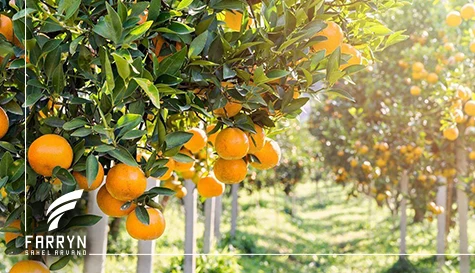
Why Reefer Containers Are Essential for Importing Citrus from Iran
Using reefer containers for citrus shipments from Iran is no longer merely a premium option. For professional international trade, it is a practical necessity. Although dry containers may appear feasible for very short distances or limited scenarios, they present a high risk for fresh citrus and are generally unsuitable for quality-sensitive import markets.
The importance of reefer containers can be summarized across several key areas.
1. Preservation of Visual Quality
Buyers and end consumers in target markets are highly sensitive to appearance. Peel color, shine, firmness, cleanliness, and the absence of mold or blemishes directly influence the commercial value of the shipment. Stable temperature, controlled airflow, and appropriate ventilation inside a reefer container help preserve these visual attributes during transit.
2. Extended Shelf Life and Wider Market Access
Reefer transportation enables citrus to remain marketable over longer transit periods. Importers in the Persian Gulf, Russia, Central Asia, and other regions may receive shipments within several days to several weeks depending on routing, port schedules, and final destination. Without controlled temperature management, the risk of deterioration during this period increases substantially.
3. Greater Buyer Confidence
When citrus is shipped in a properly prepared reefer container under internationally accepted handling standards, importers gain greater confidence in supply reliability and product consistency. This confidence is especially important for repeat orders, seasonal procurement programs, retail supply contracts, and wholesale distribution.
Preparing Citrus for Import: From Iranian Orchards to the Port
For reefer transportation to deliver the expected results, all pre-loading stages must be professionally managed. A reefer container cannot correct quality defects caused by poor harvesting, inadequate grading, weak packaging, or insufficient pre-cooling. The preparation process typically includes several critical steps.
1. Harvesting at the Correct Maturity Stage
Citrus should be harvested at the appropriate physiological and commercial maturity. Early harvesting may result in fruit that lacks flavor, juice content, or market appeal. Late harvesting may increase the risk of peel cracking, softening, and reduced shelf life.
Harvesting should also avoid extremely hot hours of the day whenever possible. Lower field heat at harvest makes subsequent cooling more efficient and reduces stress on the fruit.
2. Sorting and Grading
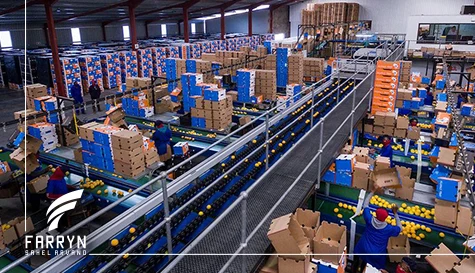
After harvest, the fruit must be sorted and graded according to size, color, peel condition, firmness, and the absence of visible defects. Damaged, bruised, diseased, or mold-affected fruit should not be packed with sound fruit, as contamination and decay can spread during storage and transit.
Professional sorting helps protect the integrity of the entire shipment and reduces the risk of claims, rejections, or price deductions at destination.
3. Export-Grade Packaging
Packaging must protect the fruit from mechanical damage while allowing sufficient airflow. Standard cartons, suitable trays, ventilation holes, proper stacking patterns, and carton strength are all important. Poor packaging can restrict airflow, collapse under weight, damage the fruit, and lead to elevated decay levels during transit.
Labeling requirements should also be considered in advance. Depending on the destination market, cartons may need to display product type, variety, net weight, country of origin, packer details, lot number, and other required information.
4. Pre-Cooling Before Loading
Pre-cooling is one of the most important steps in citrus logistics. Fruit often carries field heat after harvest. If warm fruit is loaded directly into a reefer container, the container’s refrigeration system must work harder and longer to reduce the pulp temperature. During this period, the fruit continues to respire at a higher rate, increasing the risk of condensation, mold, quality loss, and uneven cooling.
Using a pre-cooling facility helps bring the fruit closer to the target transit temperature before loading. This improves temperature stability and reduces pressure on the reefer unit.
5. Loading into the Reefer Container
Once the fruit has been sorted, packed, and pre-cooled, it must be loaded carefully into the reefer container. Cartons should be arranged to allow uniform cold-air circulation throughout the container. Blocking air channels or loading above recommended height limits can create “dead zones” with poor airflow and uneven temperatures.
Recommended Temperature Ranges for Citrus in Reefer Containers
One of the most frequent questions in citrus transportation is the appropriate temperature setting for each fruit category. The goal is to reduce decay and slow deterioration while avoiding chilling injury. In addition to temperature, ventilation and humidity must be managed carefully.
Approximate Temperature Guidelines for Common Iranian Citrus Shipments
| Product Type | Typical Storage Temperature Range | Key Transit Consideration |
|---|---|---|
| Oranges | Approximately 3°C to 5°C | Sensitive to chilling injury near freezing temperatures |
| Mandarins | Approximately 4°C to 6°C | Thinner peel; more vulnerable to decay and handling damage |
| Sour Lemons | Approximately 8°C to 10°C | Sensitive to chilling injury at lower temperatures |
| Sweet Lemons | Approximately 7°C to 9°C | Requires proper ventilation to reduce mold risk |
| Grapefruits | Approximately 10°C to 12°C | Sensitive to shriveling under low-humidity conditions |
These ranges may vary depending on variety, origin region, maturity level, voyage duration, packaging type, and destination-market requirements. For this reason, importers should coordinate with the supplier, cold-storage facility, shipping line, and logistics provider before confirming reefer settings.
Using data loggers is strongly recommended. Independent temperature records can help verify in-transit conditions and provide documentation in the event of quality disputes or insurance claims.
Ventilation and Humidity Management
Ventilation is essential for citrus cargo. The reefer container’s fresh-air exchange should be set according to the fruit type, shipment profile, and carrier guidelines. Proper ventilation helps remove carbon dioxide and other gases generated during respiration.
At the same time, excessive ventilation may introduce dry air and contribute to moisture loss, peel dehydration, and shriveling. Therefore, ventilation settings must balance gas exchange with moisture preservation.
Humidity also affects fruit appearance and shelf life. While many standard reefer containers do not offer precise humidity control, relative humidity inside the container is influenced by fruit temperature, packaging, ventilation rate, loading pattern, and voyage conditions. Importers should ensure that packaging supports airflow without accelerating dehydration.
Selecting the Right Reefer Container and Settings
Standard reefer containers are commonly available in 20-foot and 40-foot sizes. The right option depends on shipment volume, product availability, port infrastructure, vessel schedule, inland transport arrangements, and cold-storage capacity at both origin and destination.
For larger commercial shipments, 40-foot reefer containers are often preferred due to capacity and cost efficiency. However, some routes, ports, or inland destinations may have operational limitations that should be reviewed before booking.
Several key settings require attention before loading.
Temperature Setting
The temperature must be set according to the specific citrus type and expected transit time. This should be confirmed before container release and verified on the reefer control panel before loading.
Ventilation Setting
Ventilation should not be overlooked. For citrus, the fresh-air vent is typically opened to a defined level to allow adequate gas exchange. Keeping ventilation fully closed may cause carbon dioxide accumulation and negatively affect fruit quality.
Humidity Considerations
Some advanced reefer units allow limited humidity management. Even when such functionality is not available, humidity can still be influenced by packaging design, airflow patterns, pre-cooling, and ventilation settings.
Proper Stowage and Carton Arrangement Inside the Reefer Container
The way citrus cartons are arranged inside the container has a direct impact on cooling performance and cargo condition. The objective is to maintain consistent airflow throughout the load.
Cartons should be stacked in a pattern that allows cold air to circulate between rows and around the cargo. Space should be preserved near the container walls, ceiling, and airflow channels. Overloading the container, blocking the return-air path, or stacking cartons beyond the recommended red line can disrupt airflow and cause temperature variations.
Palletized cargo often improves handling efficiency and load stability, provided that the pallets and stacking pattern are compatible with reefer airflow requirements. During loading, workers should avoid excessive pressure, rough handling, or impact damage. Compression damage to lower cartons can create bruising, leakage, and decay during the voyage.

Common Risks in Reefer Citrus Shipments and How to Reduce Them
Although reefer containers significantly reduce risk, they do not eliminate it. Professional import planning requires awareness of the most common operational and quality-related risks.
Temperature Fluctuations
Temperature fluctuations may occur because of reefer unit malfunction, power disconnection at terminals, incorrect settings, or operational delays. Data loggers, pre-trip inspection records, and regular monitoring can help identify and document such issues.
Port Delays
Delays at the origin or destination port may affect quality, especially if the container is not continuously connected to power. In hot climates, even short disruptions can be harmful. Importers should coordinate vessel schedules, customs documentation, terminal handling, and delivery windows to minimize dwell time.
Poor Packaging
Weak cartons, inadequate ventilation holes, improper stacking, or unsuitable palletization can cause carton collapse and restrict airflow. Using destination-approved packaging is essential for protecting cargo and reducing claims.
Inadequate Pre-Cooling
Loading fruit that has not been properly pre-cooled may result in slow temperature pull-down, condensation, and uneven cooling. This is one of the most preventable causes of quality deterioration.
Incorrect Documentation
Missing or inaccurate documents may delay customs clearance and increase storage costs and reduce the commercial value of the fruit. Documentation should be checked before shipment departure.
Documents, Standards, and Customs Considerations
Importing citrus from Iran requires both technical preparation and proper documentation. Requirements vary by destination country, but typical documents may include:
- Commercial invoice
- Packing list
- Certificate of origin
- Phytosanitary certificate
- Health or quarantine certificates, where applicable
- Bill of lading or sea waybill
- Inspection certificates, if required by the buyer or destination authority
- Insurance documents, where applicable
- Any market-specific labeling or conformity documents
Many countries apply phytosanitary controls for imported citrus. These may include requirements related to quarantine pests, pesticide residue limits, packaging materials, labeling standards, and pre-shipment inspection.
For importers in the Persian Gulf, it is important to confirm destination-specific rules before shipment. Requirements may differ between the UAE, Qatar, Oman, Kuwait, Bahrain, and Saudi Arabia, and may also vary depending on the port of entry, product category, and consignee profile.
Customs brokers and clearance agents should be informed of the shipment details in advance so that clearance can proceed quickly. Any delay in releasing a reefer cargo may increase costs and reduce the commercial value of the fruit.
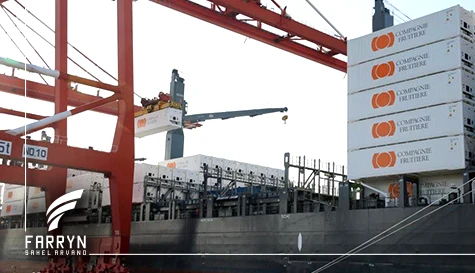
Practical Tips for Importers Choosing a Reefer Logistics Provider
Selecting the right logistics partner is a critical factor in the success of citrus imports from Iran. Importers should consider the following points before confirming a booking:
- Proven experience in handling reefer containers and fresh produce shipments
- Familiarity with citrus cargo requirements and seasonal trade flows from Iran
- Ability to coordinate with packing houses, cold-storage facilities, terminals, and shipping lines
- Clear confirmation of temperature, ventilation, and loading instructions
- Availability of temperature monitoring, data logger support, or post-shipment temperature reports
- Transparent terms regarding responsibility in the event of reefer malfunction, delay, or cargo damage
- Strong operational follow-up from pickup through final delivery
- Knowledge of destination customs and documentation requirements
- Realistic transit-time planning based on harvest season, port congestion, and vessel schedules
A professional logistics provider should not only arrange transportation but also help reduce operational uncertainty across the cold chain.
Successful Citrus Importation Requires Professional Cold-Chain Management
Importing citrus from Iran in reefer containers requires more than purchasing quality fruit. The outcome of each shipment depends on a coordinated chain of decisions: harvesting, sorting, grading, packaging, pre-cooling, container selection, temperature and ventilation settings, loading method, port timing, documentation, customs clearance, and final delivery.
The reefer container is the primary tool for protecting the quality and economic value of citrus during ocean freight. However, it performs best when integrated into a disciplined and well-managed cold chain. Importers, suppliers, packing houses, freight forwarders, shipping lines, customs brokers, and cold-storage operators all play a role in the final quality delivered to the market.
With careful planning, technical attention, and reliable logistics execution, international and Persian Gulf buyers can source Iranian citrus with greater confidence and consistency. A professional approach helps preserve freshness, reduce waste, protect margins, and support long-term trade relationships.
Farryn Sahel Arvand: Reefer Logistics Support for Citrus Imports from Iran
Farryn Sahel Arvand provides specialized support in sea freight transportation and reefer container management for temperature-sensitive cargo, including citrus shipments from Iran.
By combining international freight coordination, cold-chain knowledge, standard reefer equipment, and experienced operational teams, the company helps importers move oranges, mandarins, lemons, and other perishable products under controlled conditions. From origin planning and container booking to temperature coordination and shipment follow-up, Farryn Sahel Arvand supports a professional logistics process designed to protect cargo quality from Iran to the destination market.
For importers seeking dependable reefer transportation, structured communication, and practical expertise in citrus logistics, Farryn Sahel Arvand can serve as a reliable partner for sea freight shipments from Iran.