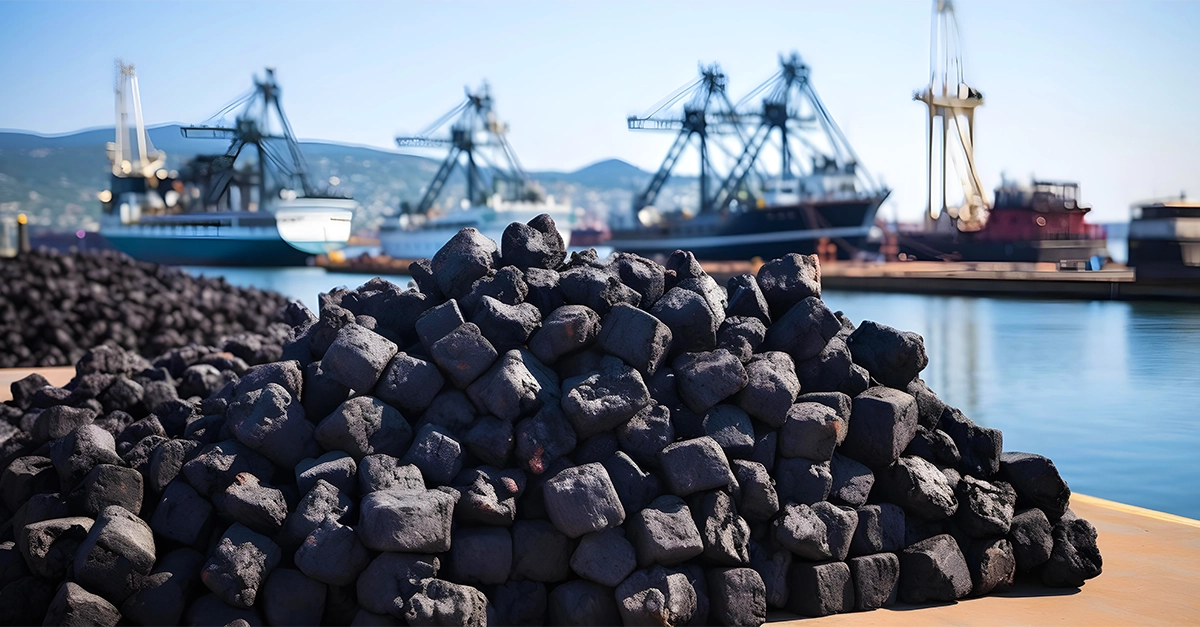
Importing Minerals from Iran | List of Iran’s Export-Grade Minerals
List of Iranian Mineral Exports and Key Tips for Successful Importing
Minerals are among the most important foreign exchange sources in Iran’s non‑oil export sector. With more than 6,000 mines and over 60 different mineral types, Iran has become an attractive hub for international buyers and investors. But if you are considering sourcing minerals from Iran, which product should you start with?
In this guide, we explore Iran’s mineral export landscape, review the key categories of export‑grade minerals, and outline the steps required for foreign buyers who want to import these materials.
List of Iranian Mineral Exports
Iran produces over 60 types of minerals, many of which enjoy strong demand in global markets. As a result, Iran is considered one of the region’s potential leaders in mineral exports. Below are the main mineral categories available for international importers.
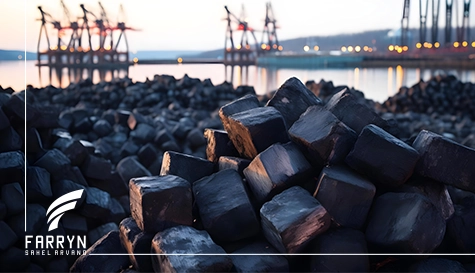
Metallic Minerals
1) Iron Ore
Iron ore is one of Iran’s top mineral exports. It is shipped in the form of concentrate, pellets, or raw ore to major markets such as China, the UAE, and Turkey.
2) Copper
The Sarcheshmeh Copper Mine is among the largest in the world. Iran exports copper concentrate and cathode to Asian and Eastern European buyers.
3) Lead and Zinc
Lead and zinc are extracted from mines like Angooran in Zanjan. A large portion of these metals—whether as concentrate or ingots—is exported to East Asian countries.
4) Manganese, Titanium, and Chromite
Iran holds scattered yet high‑quality reserves of these minerals. Although export volumes are lower compared to iron or copper, growing global demand indicates promising future opportunities for buyers.
Non‑Metallic Minerals
5) Gypsum and Cement
Iranian gypsum and cement are known for high quality and competitive pricing, making them popular among neighboring countries such as Iraq, Afghanistan, Central Asia, and Gulf states.
6) Barite, Bentonite, Perlite, and Talc
These industrial minerals are widely used in oil drilling, ceramics, rubber, and detergent production. Iran has a strong export record in these specialized mineral categories.
7) Calcium Carbonate, Celestine, and Sulfur
Thanks to their high purity, these minerals have markets both in the region and in Europe. Sulfur, in particular, is widely used in chemical and agricultural industries.
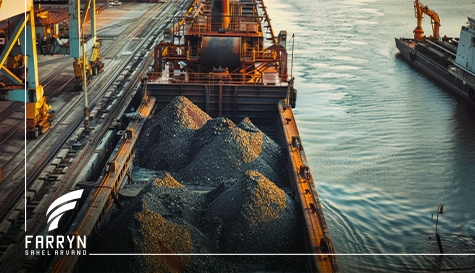
Other Exported Minerals
8) Coal and Briquettes
Iran exports both natural coal and compressed coal briquettes. Provinces such as Kermanshah, Lorestan, Gilan, and Mazandaran serve as production centers with exports mainly to Middle Eastern and Eastern European countries.
9) Building and Decorative Stones
Iran is a global leader in the diversity and volume of decorative and construction stone reserves. Around 20 million tons of travertine, marble, granite, and onyx are produced annually, with roughly 5% exported. Their unique colors and textures make Iranian stones highly desirable in international markets.
10) Tiles and Ceramics
Tiles and ceramics—produced using locally sourced minerals—are exported widely due to their high quality and aesthetic variety. Major export markets include Russia, Georgia, Armenia, Pakistan, the UAE, and Iraq.
11) Petroleum‑Derived Mineral Products
Some petrochemical products—such as bitumen and sulfur—are mineral‑origin and fall under non‑oil exports. These products hold a significant share in Iran’s foreign trade.
Which Minerals Are the Best to Import?
There is no single “best” mineral to import, as profitability depends on several factors:
- Demand in your target market
- Global price trends and currency fluctuations
- Extraction, transportation, and clearance costs
- Export/import tariffs
- Customs regulations in your country
- Competitive landscape
For example:
China and India demand more iron ore and copper, while European markets prioritize sulfur, calcium carbonate, and mineral‑based chemicals.
Before importing any mineral from Iran, buyers should conduct market research, analyze competitors, and ensure stable supply capacity.
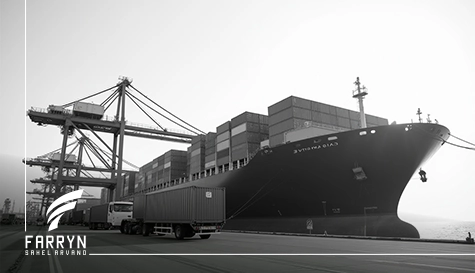
Steps and Documents Required to Import Minerals from Iran
Foreign buyers importing minerals from Iran must follow a standard export‑import process. The key stages include:
1. Verify the Iranian Supplier’s Credentials
Your Iranian supplier must have a valid Commercial Card (Trading License) issued by the Iranian Chamber of Commerce. This authorizes them to legally export goods.
2. Required Export Permits (Handled by the Iranian Exporter)
Depending on the mineral type, the exporter may need specific permits from the Ministry of Industry, Mine and Trade. Some minerals also require:
- Certificate of Origin
- Environmental clearance
- Hazardous materials certificates
- Standard and health certificates
- Bill of Lading & Commercial Invoice
These documents are essential during transit and customs processing.
3. Choose the Appropriate Shipping Method
Depending on the mineral and destination, transport may be:
- Sea freight
- Rail freight
- Road transport
- Multimodal shipping
The right choice significantly affects cost and risk.
4. Packaging and Preparation
Minerals must be packed in durable, moisture‑resistant, and load‑bearing packaging. Common options include:
- Jumbo bags
- Bulk mineral containers
- Moisture‑proof packaging
5. Export Declaration and Clearance in Iran
The Iranian exporter must declare the goods at Iranian customs. After inspection and document verification, customs duties are calculated and, once paid, the goods are cleared for export.
6. Import Clearance in Your Destination Country
Buyers must comply with the import regulations of their own country, including duties, taxes, and safety/environmental approvals.
Reduce Import Risks with Specialized Logistics
Mineral shipments from Iran are typically heavy and voluminous, requiring specialized handling. This can increase both transportation costs and operational risks. If logistics are mismanaged, importers may face delays, damage, and losses.
Partnering with an experienced company like Farryn Sahel Arvand helps minimize risks by providing:
- Optimal transport solutions
- Smooth customs handling
- Lower logistics costs
- Safe and timely delivery