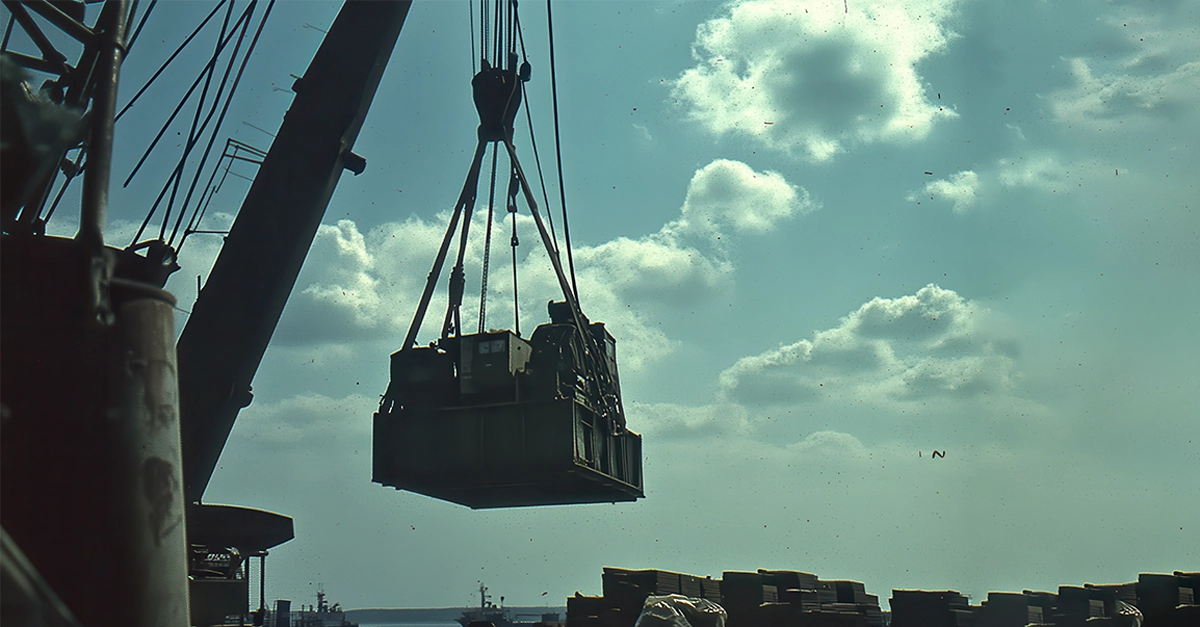
A Comprehensive Guide to Trading and Importing Natural Stone from Iran
Iran is one of the world’s richest countries in terms of natural stone reserves and geological diversity. Iranian stones are widely recognized in global markets for their distinctive patterns, wide color range, and high structural quality. As a result, the international trade of Iranian natural stone has grown steadily, attracting buyers, distributors, and construction companies from many regions of the world.
For companies interested in sourcing and importing stone from Iran, understanding the available stone types, major supply markets, trade procedures, and transportation options is essential. This guide provides a comprehensive overview of how international buyers can trade and import natural stone from Iran efficiently and safely.
Types of Iranian Natural Stones Available for International Trade
Iran hosts hundreds of active quarries and offers a wide variety of construction and decorative stones suitable for international markets. The following categories are among the most widely traded Iranian stones.
Marble
Iranian marble is formed through the metamorphic transformation of limestone and is known for its crystalline texture and elegant appearance. It is commonly available in white, cream, green, grey, and black shades.
Due to its refined surface and decorative qualities, marble is widely used in luxury interior design, wall cladding, sculptures, and architectural decoration.
Marble Stone
Marble stone has a denser internal composition and is available in numerous colors and natural patterns. Its structural characteristics allow it to perform well in environments exposed to moisture and moderate heat.
This makes it a popular material for bathrooms, kitchens, fireplaces, flooring, and interior architectural elements.
Granite
Granite is an igneous stone known for its exceptional hardness and durability. Iranian granite is typically available in grey, white, black, and red tones.
Thanks to its high compressive strength and resistance to environmental conditions, granite is frequently used in high‑traffic flooring, exterior facades, kitchen countertops, and large-scale construction projects.
Travertine
Travertine is one of the most well‑known Iranian stones in global markets. This limestone-based stone features a porous texture and layered structure, typically appearing in cream, beige, ivory, and light brown colors.
Travertine is widely used in building facades, landscaping projects, wall cladding, and decorative architectural elements.
Precious and Ornamental Stones
In addition to construction stones, Iran also offers a variety of ornamental and semi‑precious stones. Examples include turquoise, agate, ruby, and amethyst, which are commonly used in jewelry production, decorative crafts, and luxury accessories.
These stones are traded internationally and attract buyers interested in unique decorative materials and gemstone markets.
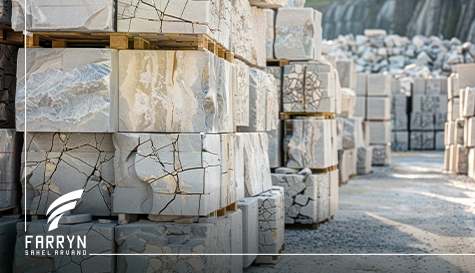
Key International Markets Trading Iranian Stone
Iranian natural stone is widely traded across international markets. Buyers from different regions import Iranian stone for construction, architectural projects, interior design, and stone processing industries.
Several countries have developed strong commercial relationships with Iranian stone suppliers.
China
China is one of the largest buyers of Iranian natural stone. Many Chinese companies import raw stone blocks, which are later processed, cut, and distributed in international markets.
Iraq
Due to its geographical proximity and strong construction demand, Iraq represents one of the most important markets for Iranian building stones. Iranian materials are frequently used in residential, commercial, and infrastructure projects.
Turkey
Turkey imports various types of Iranian stone for both domestic use and re‑export to European markets. Turkish stone processing companies often purchase raw blocks and slabs from Iranian quarries.
United Arab Emirates
The UAE, particularly Dubai, serves as a regional trade hub for natural stone. Many international traders purchase Iranian stone through UAE-based distributors and logistics networks.
Indonesia
Indonesia is an emerging market for Iranian natural stone. Rapid urban development and expanding construction projects have increased demand for imported decorative and construction stones.
In addition to these markets, Iranian stone is also traded with countries such as India, Italy, Oman, Russia, Qatar, Kuwait, Azerbaijan, Georgia, and Kazakhstan.
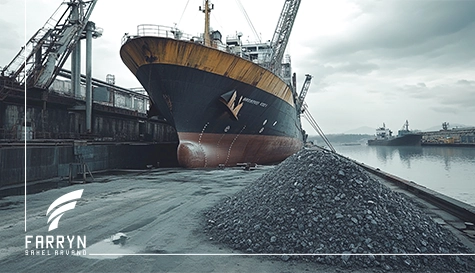
Trade Requirements and Documentation for Importing Stone from Iran
International buyers and distributors who wish to import stone from Iran must prepare several commercial and logistics documents to facilitate the trade process.
Commercial Agreement or Proforma Invoice
The first step in stone trading involves receiving a proforma invoice from the Iranian supplier. This document outlines the product specifications, pricing, delivery terms, and payment conditions.
Certificate of Origin
A Certificate of Origin is issued by the Chamber of Commerce in Iran and confirms that the goods were produced or extracted within the country.
Quality or Inspection Certificate
Many international buyers require a third‑party inspection certificate verifying the stone’s quality standards, dimensions, and packaging conditions before shipment.
Commercial Invoice
The commercial invoice provides detailed information about the type of stone, quantity, unit price, and total transaction value, and is used for customs procedures in the importing country.
Bill of Lading
The Bill of Lading (B/L) is issued by the shipping company and serves as the official transport document. It includes details such as shipper, consignee, cargo description, shipping route, and delivery conditions.
Import Customs Documentation
Depending on the regulations of the importing country, buyers may also need to prepare customs declarations, import permits, and compliance documents required by local authorities.
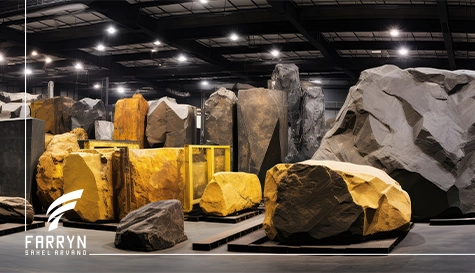
Transportation Methods for Importing Stone from Iran
Selecting the appropriate transportation method is essential for ensuring cost efficiency, cargo safety, and timely delivery.
Sea Freight
Sea freight is the most widely used transportation method for natural stone trade due to the heavy weight and large volume of stone shipments.
Iranian ports in the Persian Gulf and the Sea of Oman provide access to major global shipping routes, making maritime transport the most economical option for international buyers.
Road Transport
Road transportation is commonly used for shipments destined for neighboring countries such as Iraq, Turkey, Armenia, and Azerbaijan.
This method offers shorter transit times and flexible delivery options, especially for regional trade.
Air Freight
Air freight is rarely used for construction stone due to high shipping costs and weight restrictions. However, it may be suitable for high‑value ornamental stones or gemstone shipments.
Multimodal Transportation
In some cases, stone shipments are transported using multimodal logistics solutions, combining different transportation methods such as sea and road transport to optimize delivery time and logistics costs.
Steps for International Buyers Trading Stone with Iranian Suppliers
Companies interested in importing Iranian natural stone should follow a structured procurement process to ensure smooth transactions.
Supplier Identification
The first step is identifying reliable Iranian quarries, stone processors, or trading companies through industry exhibitions, international marketplaces, or professional trade networks.
Product Selection and Sample Evaluation
Buyers usually request product samples, technical specifications, and stone catalogues before placing large orders.
Contract Negotiation
Once product quality, pricing, and delivery conditions are agreed upon, the buyer and supplier finalize a commercial agreement or purchase contract.
Production and Packaging
After the order is confirmed, the supplier prepares the stone products and ensures proper packaging using wooden crates, pallets, or reinforced wrapping to prevent damage during transportation.
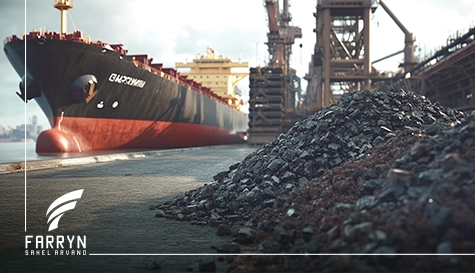
Shipping and Logistics Coordination
The shipment is then coordinated with a freight forwarder or shipping company, which manages cargo booking, transportation, and shipping documentation.
Customs Clearance and Delivery
Once the cargo reaches the destination country, it undergoes import customs clearance, after which the goods are delivered to the buyer’s warehouse or project location.
Farryn Sahel Arvand: Supporting International Stone Trade with Iran
International buyers often benefit from working with experienced logistics and trade service providers when sourcing stone from Iran. These companies assist with supplier coordination, shipping arrangements, documentation, and customs procedures.
Farryn Sahel Arvand provides specialized logistics and freight services that help international companies trade and import Iranian stone efficiently. By coordinating transportation, documentation, and shipment planning, the company supports buyers throughout the entire stone procurement and delivery process.