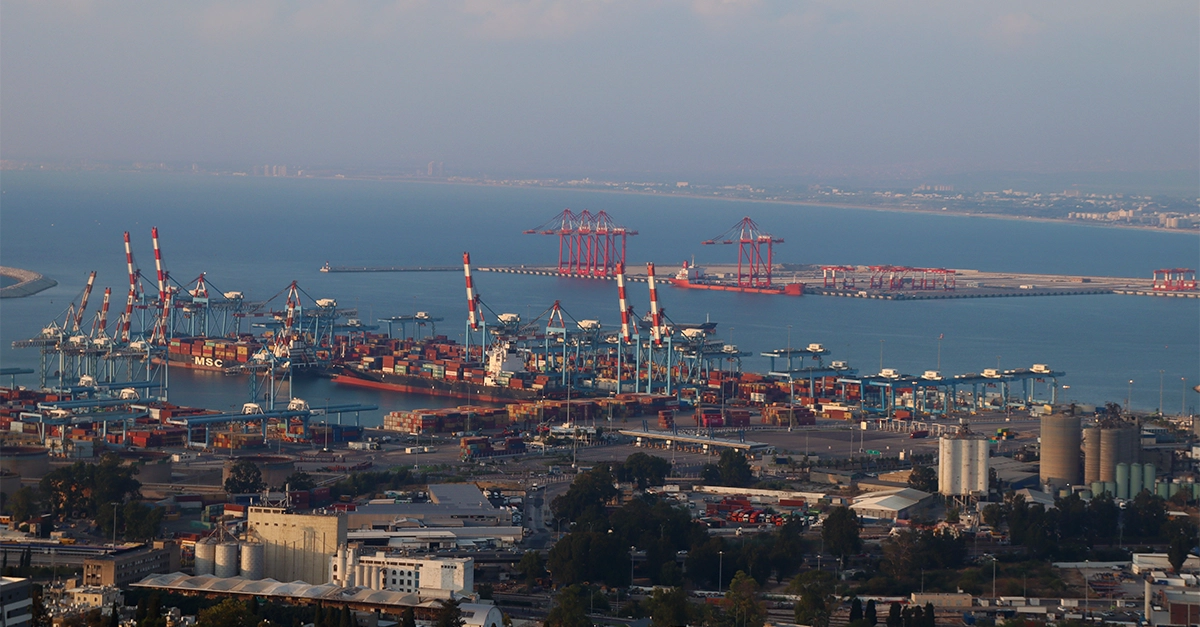
Iran’s Strategic Commercial Ports: The Engines of National Economic Growth
With over 5,800 kilometers of maritime borders spanning the North and South, Iran occupies a peerless strategic position in global maritime trade. According to the Director of HSE at the Ports and Maritime Organization (PMO), approximately 90% of the country’s inbound and outbound cargo is processed through its port complexes. This underscores the absolute dependence of Iran’s economic development—including exports, imports, and transit—on maritime logistics and shipping infrastructure.
For stakeholders in international logistics and supply chain management, understanding the capacities, technical specifications, and operational advantages of Iran’s primary commercial ports is essential. This article provides a comprehensive overview of these vital maritime hubs.
12 Critical Commercial Ports of Iran
Iranian ports serve as the primary conduits connecting the national economy to global markets. These hubs are distributed along the Caspian Sea in the North and the Persian Gulf and Sea of Oman in the South. Each port offers specific operational capabilities based on its geographical coordinates and specialized infrastructure.
Northern Iranian Ports (Caspian Sea)
Situated on the Caspian coast, these ports primarily facilitate trade with CIS countries, including Russia, Kazakhstan, and Turkmenistan. Due to the shallower bathymetry of the Caspian Sea compared to southern waters, these ports generally handle smaller vessel classes and lower throughput volumes than their southern counterparts.
Port of Amirabad
Amirabad is the largest commercial port on the Caspian Sea and the only northern facility equipped with Ro-Rail (Roll-on/Roll-off Rail) infrastructure. This specialized berth allows for the direct transfer of rail wagons between vessels and the national rail network. Located in eastern Mazandaran near Behshahr, it offers seamless multimodal connectivity.
Operational Focus: The port features extensive covered warehousing, grain silos, and multipurpose terminals. It serves as a primary hub for importing grains, vegetable oils, and steel, while exporting petrochemicals and minerals.
Port of Nowshahr
Located in Mazandaran, the Port of Nowshahr acts as a strategic gateway to Eastern Europe. Its proximity to Tehran and central industrial hubs makes it a preferred choice for importing consumer goods, timber, and industrial machinery.
Operational Focus: To streamline transit operations, the port is equipped with specialized container yards, logistics terminals, and advanced heavy-lift shore cranes for efficient stevedoring.
Port of Anzali
The Port of Anzali is Iran’s oldest commercial hub on the Caspian Sea, holding a dominant position for trade with the CIS region. Situated within the Anzali Free Trade Zone (FTZ), it offers significant customs exemptions and transit incentives.
Operational Focus: The port features multiple berths, expansive open and covered storage, and a dedicated container terminal. It primarily handles the export of agricultural products, the import of raw materials, and small-to-medium-scale shipping projects.
Southern Iranian Ports (Persian Gulf & Sea of Oman)
The southern ports are Iran’s primary maritime gateways, offering deep-water access to international shipping lanes. Their extensive infrastructure and strategic location make them vital centers for global trade and transit.
Port of Mahshahr
Located in Khuzestan, Mahshahr is one of the nation’s premier oil and petrochemical hubs. It features highly specialized berths for liquid bulk, chemical loading, storage tank farms, and dedicated pipeline connectivity to the national rail network.
Operational Focus: Situated near the Petrochemical Special Economic Zone (PETZONE), it handles the bulk of Iran’s petrochemical exports to Asian and European markets and is recognized as a cornerstone of non-oil export logistics.
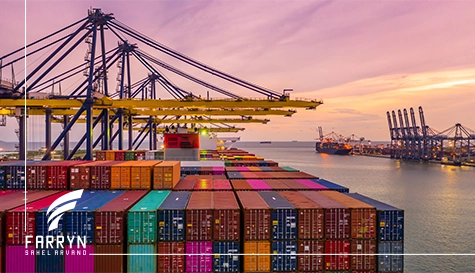
Port of Bandar Abbas (Shahid Rajaee & Shahid Bahonar)
Bandar Abbas is the pulse of Iran’s maritime trade, located adjacent to the Strait of Hormuz. This complex includes the Shahid Rajaee Port, the country’s most advanced container terminal.
Operational Focus: With direct multimodal access (rail and road) and proximity to special economic zones, it handles a diverse range of cargo, including vehicles, foodstuffs, industrial equipment, and petrochemicals. It also serves as a major regional passenger hub for the islands of Qeshm, Hormuz, and Kish.
Port of Chabahar
Situated in Sistan and Baluchestan, Chabahar is Iran’s only oceanic port with direct access to the Indian Ocean. It is a critical node in the International North-South Transport Corridor (INSTC) and the East-West corridor.
Operational Focus: As a part of the Chabahar Free Zone, it possesses immense potential for attracting foreign direct investment (FDI) and bypassing the logistical bottlenecks of the Persian Gulf.
Port of Imam Khomeini (BIK)
Located in Khuzestan at the head of the Persian Gulf, BIK is one of Iran’s largest General Cargo and Bulk hubs. It is a critical entry point for essential commodities such as wheat, barley, corn, and oilseeds.
Operational Focus: The port is equipped with massive silos and specialized terminals for dry bulk discharge. Its proximity to major agricultural and industrial centers ensures a steady supply of raw materials to the national industry.
Port of Khorramshahr
Positioned in southwest Iran along the Arvand River (Shatt al-Arab), this port leverages its proximity to the Iraqi border and the city of Basra. It is primarily utilized for cross-border trade with Iraq and regional passenger transport.
Operational Focus: While its capacity is smaller than BIK, it remains a vital exit point for construction materials, household appliances, and food exports to neighboring markets.
Port of Assaluyeh
Located in the south of Bushehr province, this industrial port was established to serve the South Pars Gas Field, the world’s largest gas reserve.
Operational Focus: It is almost exclusively dedicated to the export of gas condensates, LNG, and petrochemical products generated by the massive industrial complexes in the region.
Port of Bushehr
As one of the oldest commercial ports on the Persian Gulf, Bushehr serves as a key logistical link to central Iran.
Operational Focus: It features a dedicated container terminal and multipurpose berths, primarily handling the import of essential goods and industrial equipment, while exporting agricultural and fishery products. Its status as a Special Economic Zone makes it highly attractive for international trade.
Port of Qeshm
Located on the largest island in the Persian Gulf, the Port of Qeshm operates within a Free Trade Zone, offering excellent fiscal and customs benefits.
Operational Focus: It is largely used for the import of consumer goods, apparel, and electronics, as well as regional transshipment given its proximity to Bandar Abbas and UAE ports.
Port of Kish
The Port of Kish functions as a commercial hub within the Kish Free Zone. While its infrastructure is optimized for light-to-medium draft vessels, its activity is heavily driven by the island’s thriving tourism sector.
Operational Focus: It specializes in passenger transport and the logistics of supply chains serving the island’s hospitality and retail industries.
Iran’s Primary Container Ports
These ports are equipped with specialized ship-to-shore (STS) cranes, dedicated container terminals, automated stacking yards, and robust multimodal links to handle standard ISO containers:
- Shahid Rajaee (Bandar Abbas) – The primary container hub.
- Bandar Imam Khomeini
- Chabahar
- Anzali
- Bushehr
- Kish
- Khorramshahr
- Assaluyeh
- Qeshm
- Shahid Bahonar (Bandar Abbas)
Strategic Decision-Making Through Port Intelligence
Understanding the operational landscape of Iranian ports is vital for optimizing supply chains. Choosing the correct port based on cargo type, destination, and infrastructure can significantly reduce transit times and operational costs.
At Farryn Sahel Arvand, our logistics experts provide specialized consultancy and end-to-end maritime solutions, leveraging years of experience in the Iranian port network to ensure your cargo moves through the most efficient corridors.