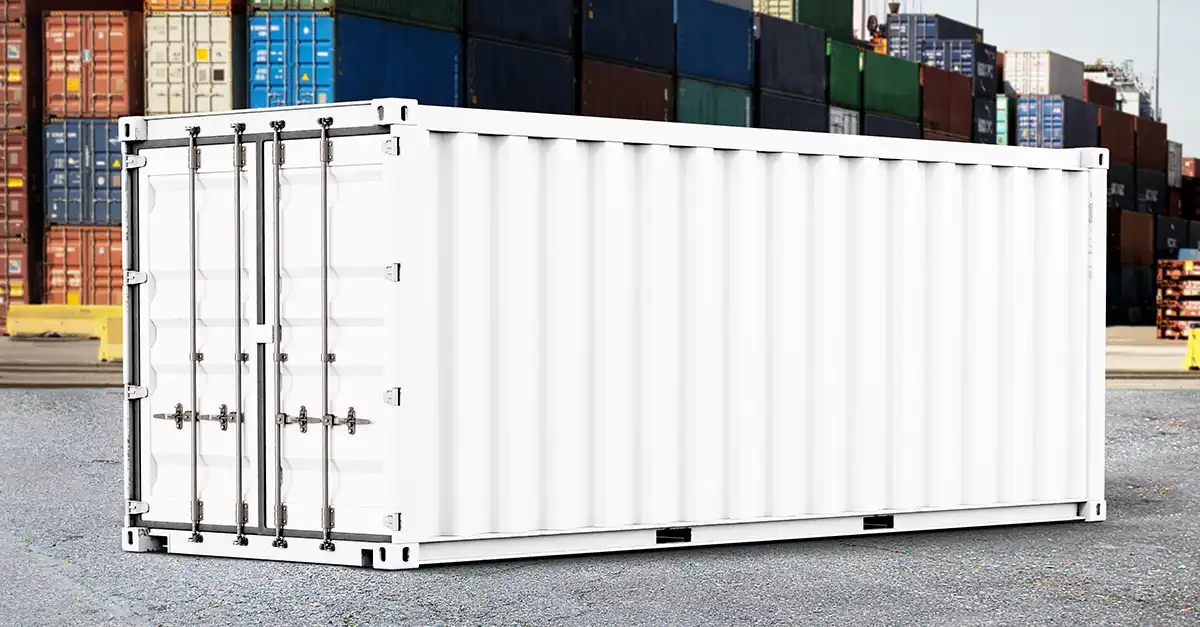
Consequences of Reefer Container Aging on the Quality of Exported Temperature‑Sensitive Cargo
In the cold chain of sea exports, the primary focus is often placed on the “average temperature”—a figure displayed on monitoring systems and recorded in shipping documents. However, the quality of temperature‑sensitive goods is not solely dependent on achieving this number. Temperature uniformity throughout the container is equally critical. One less recognized yet highly influential factor in this regard is the aging of reefer containers. This gradual and often overlooked phenomenon can irreversibly degrade cargo quality without triggering any system alerts.
Under conventional sea freight metrics, primary attention is given to recording the Set Point temperature and the Return Air Temperature. However, these indicators alone do not reflect the actual temperature distribution inside the container. Field observations indicate that in aged containers, the temperature differential between the center and the corners can increase by several degrees Celsius without any recorded deviation from the acceptable temperature range. This gap between “documentary temperature control” and “physical temperature control” is where the impact of container aging becomes evident.
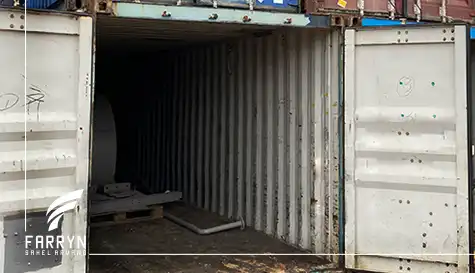
What Is Reefer Container Aging?
Reefer container aging refers to the gradual decline in the performance of critical components without a sudden or complete failure. While full breakdowns are usually obvious and disruptive, aging typically occurs within the permissible temperature range but results in irregular temperature distribution.
Key Differences
- Failure: The temperature moves outside the allowable range and is easily detectable.
- Aging: The temperature appears normal but lacks uniformity.
This distinction makes container aging one of the fundamental challenges in exporting temperature‑sensitive goods.
Container aging is defined as a systematic reduction in performance, whereby components continue to operate within functional limits but with reduced efficiency. From an engineering perspective, this condition is typically associated with increased energy consumption and delayed response to environmental changes—factors that are often overlooked in shipping documentation.
In practice, port operations teams and shipping lines have established protocols for handling failures, but no defined procedures exist for identifying and managing aging. This gap causes aging‑related losses to remain undetected and ultimately be transferred to the exporter.
Aged Components and Their Impact on Temperature Uniformity
- Air Circulation System: In new containers, air flows uniformly from the floor upward. Over time, however, fan efficiency decreases and air channels become partially blocked. This can create pressure imbalances and hinder uniform heat transfer.
- Thermal Insulation: Insulation materials lose efficiency due to moisture, thermal shocks, and mechanical impacts, turning container corners and ceilings into critical hotspots.
-
Sensors and Calibration:
Aged sensors develop inaccuracies and response delays. Since sensors are typically installed near the return air area, they fail to represent critical temperature zones.
Why Temperature Uniformity Matters More Than the Temperature Value
For temperature‑sensitive goods, the acceptable temperature tolerance range is typically very narrow. Even minor damage can render an entire shipment unacceptable at destination. Deterioration processes are often non‑linear, and a short‑term thermal shock can trigger consequences that persist even after temperatures return to normal levels. As a result, seemingly minor incidents may lead to an overall decline in cargo quality.
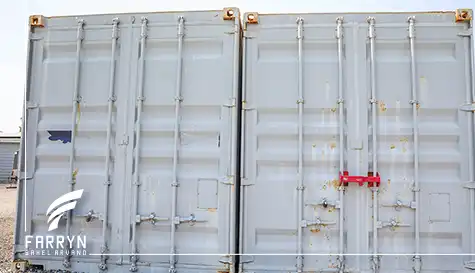
Impact of Aging on Long‑Haul Sea Voyages
On long‑haul routes, temperature fluctuations, transshipment stops, and vessel drift time can intensify the effects of container wear and tear. A phenomenon known as Accumulated Thermal Stress leads to the buildup of multiple minor thermal stresses. Worn reefer containers are unable to neutralize these stresses effectively, resulting in increased effective temperature fluctuations.
Why Cargo Is Rejected Despite Normal Temperature Data
This occurs because monitoring data typically reflects only the average temperature and does not represent the actual temperature distribution within the container. In destination markets, cargo acceptance is based on quality and microbiological testing. Any discrepancy between these test results and recorded temperature data can expose exporters to significant legal and insurance risks.
The Role of Transport Company Selection in Managing Container Wear and Tear
Intermediary logistics companies play a vital role in selecting, matching, and supervising the appropriate container. In a professional approach, container wear and tear is treated as a risk variable that must be aligned with the cargo type, route, season, and voyage duration. This decision‑making process is based on practical, hands‑on experience rather than mere container availability.

Farryn Sahel Arvand; Reducing the Risk of Exporting Temperature‑Sensitive Goods from Origin to Destination
If you are an exporter of temperature‑sensitive goods, the key question is whether the selected container is truly suitable for your specific cargo type and shipping route. Farryn Sahel Arvand addresses this critical issue through a specialized approach to sea freight exports prior to cargo loading.
- Selecting the Appropriate Container Based on Cargo Type
- Considering the Container’s Age, Route, and Performance History
- Reducing the risk of cargo rejection at destination, even when temperature data appears normal.
If cargo quality means more to you than a single number on a chart, collaborating with a team that understands hidden risks becomes a necessity rather than an option. Make the right decision before loading.