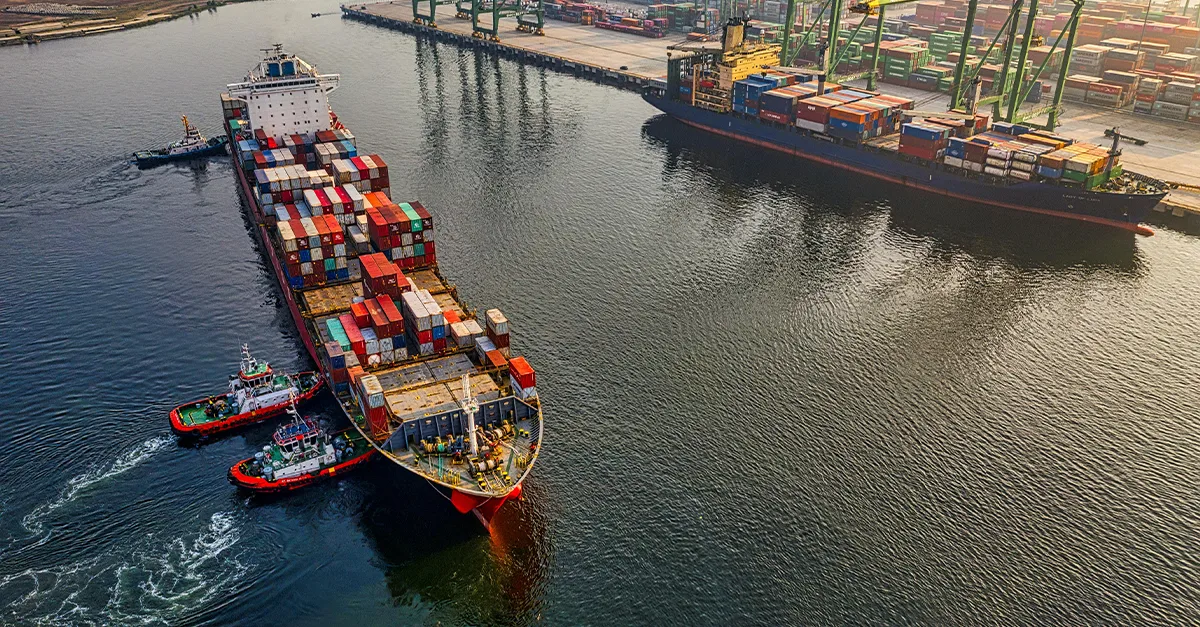
SOC & COC Shipping Containers: Which Is the Right Choice for Your Business?
Is it better to use our own container for cargo shipping and avoid dependency on shipping lines or carriers? So why do most businesses still use carrier-owned containers? Which option actually works best in practice?
Generally, containers are classified by ownership into two main types: SOC (Shipper Owned Container) and COC (Carrier Owned Container). In this article, we compare these two models in detail.
What Is an SOC Container?
SOC (Shipper Owned Container) refers to containers owned by the cargo shipper (the exporter), rather than by the shipping line or carrier. Here, the shipper is fully responsible for supplying, maintaining, and managing the movement of the container — and simply rents the required slot or space on a vessel.
SOC containers can only be used in seaborne transport if they hold valid safety certification. After purchase, the Ports and Maritime Organization (or the relevant maritime authority) must inspect the container for technical and safety compliance. Upon approval, a safety certificate is issued, confirming the unit meets international standards such as the CSC (Convention for Safe Containers).
Additionally, each SOC container must have a unique identification number, which transparently indicates both its type and ownership. But why would a shipper take on all these responsibilities just to use their own proprietary container?
Key Advantages of SOC Containers
Owning a container provides the following value to shippers and exporters:
1. Lower Secondary Costs (Demurrage, Rental, Penalties, Taxes):
If we fail to return a carrier’s container on time, we face significant demurrage penalties — and daily rental or tax charges can accrue as well. But with our own container, we no longer need to worry about extra charges for delayed returns or rental payments to carriers or shipping lines.
While the initial investment for purchasing a private container can be significant, over time it often leads to substantial cost savings in overall logistics expenses.
2. Maximum Flexibility and Control Over Scheduling
Ownership means complete autonomy in planning. There is no reliance on carrier-imposed schedules or restrictions — loading and unloading can be performed precisely when needed, granting full control over shipment timelines.
3. The Right Solution for Complex or One-Way Trade Lanes
SOC containers are especially valuable on one-way routes (where export and import flows are unbalanced). Carrier containers must usually be returned on schedule, which may require additional repositioning costs. With SOC, there is no obligation to return the box. The unit can be resold, leased out, or repurposed for domestic distribution at the destination.
4. Custom Container Specifications
Some shipments require customized containers, such as ventilated, insulated, or specially engineered units — not typically available in COC fleets. With SOC ownership, the shipper may source and modify equipment that perfectly matches the cargo’s unique requirements.
5. Reliability During Container Shortages
During peak times (such as holidays, pandemics, or conflict), container equipment from carriers may become scarce. SOC allows exporters to keep supply chains running on schedule, even in tight or disrupted markets.
What Is a COC Container?
A COC (Carrier Owned Container) is a standard container owned and operated by the shipping line or NVOCC (Non-Vessel Operating Common Carrier). In this arrangement, the shipper utilizes equipment provided by the carrier for their shipment, without holding ownership.
As mentioned, the carrier requires that the container be emptied and returned in good condition within the allotted free time. In cases of late return or damage, penalties such as demurrage (for extended use at the port) and detention (for delays outside the port) will apply.
Still, what are the key reasons many businesses prefer COC units?
Key Advantages of COC Containers
COC containers offer exporters and freight forwarders several important benefits:
1. Guaranteed Equipment Availability
Major carriers maintain substantial container fleets across busy routes. Finding and booking a COC container is typically easy and accessible for most shipments.
2. No Capital Outlay or Maintenance Costs
With COC, the shipper does not need to invest in container purchase or worry about long-term upkeep and repairs — the carrier handles all technical and logistical responsibilities.
3. Dedicated Technical Support and Fleet Services
Carriers have dedicated departments for fleet maintenance and technical support. In case of container malfunction or structural issues, immediate repair or replacement can be handled efficiently by the service provider.
4. Simplified Insurance and Claims Handling
If a COC container is damaged or lost, the carrier’s insurance coverage applies. The shipper can rely on streamlined processes for damage compensation, limiting involvement with complex legal, administrative, or claim procedures.
SOC or COC: Which One Is the Better Fit?
Now that we’ve covered the basics and benefits of SOC and COC, the right choice depends on the unique needs and context of your logistics operation.
If your business is export-driven, handles a high volume of cargo, or operates on complex or unbalanced trade routes (including remote or secondary ports), SOC containers may deliver greater value in terms of cost-effectiveness and flexibility. However, keep in mind that equipment maintenance and operational management will be entirely your company’s responsibility, requiring robust processes and resources to ensure technical compliance and long service life.
Conversely, if your shipments are infrequent, small, or seasonal, or you usually ship on major trade lanes, COC containers are the simpler and more hassle-free option. Here, the carrier accepts responsibility for equipment management, maintenance, and regulatory compliance. COC is especially suitable for traders who prioritize speed, simplicity, and comprehensive after-sales support from shipping lines.
Farryn Sahel Arvand: Your Professional Partner for Container Selection
As we’ve seen, both SOC and COC container models have specific advantages and limitations. The optimal choice fully depends on your business model, trade routes, and container utilization patterns.
Farryn Sahel Arvand proudly offers expert consultancy, container selection services, and reliable maritime logistics solutions. Drawing on extensive experience in container shipping, customs procedures, port operations, and international standards, our team delivers the most efficient, cost-effective strategies to fit your business needs.