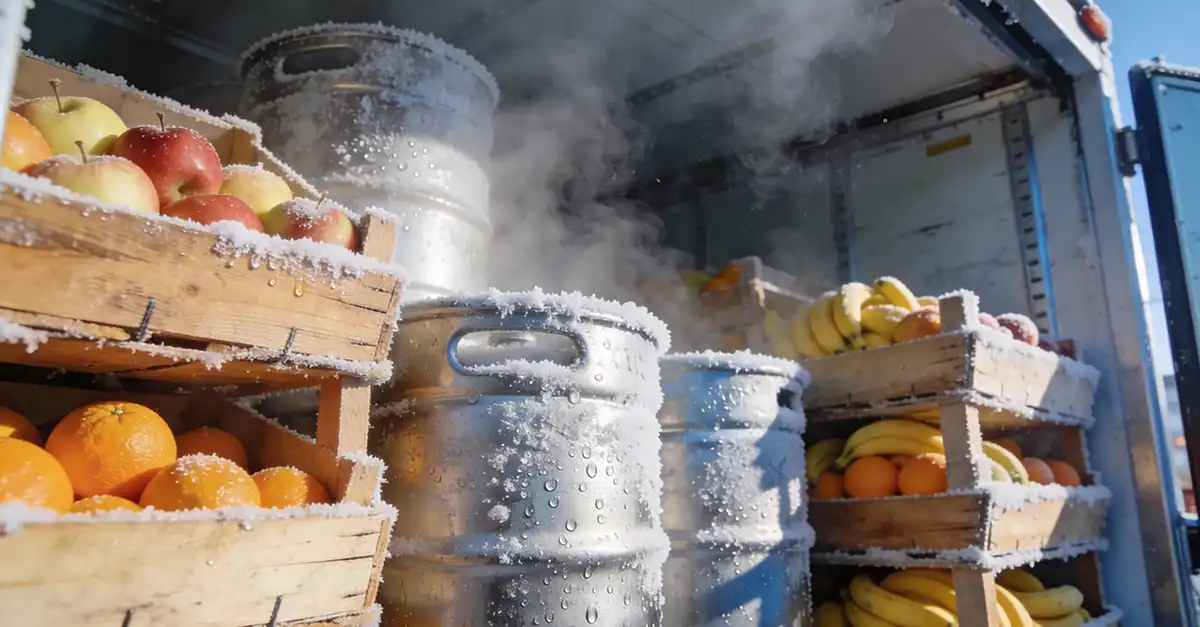
The Role of Smart Scheduling in Reefer Container Booking: How Demand Forecasting Prevents Delays and Losses
Shipping temperature‑sensitive products—such as fresh fruits, vegetables, meat, seafood, and pharmaceutical goods—comes with intense time pressure. In this competitive global market, even a few hours of delay in transport or delivery can drastically affect product quality and profitability.
That’s why efficient scheduling and early booking of reefer containers (refrigerated containers) are crucial for success in perishable cargo logistics.
Booking reefer containers ahead of time ensures access to the required capacity at reasonable rates. During peak seasons or holiday demand spikes, the availability of reefer equipment often becomes limited. Without smart planning and demand anticipation, importers and freight forwarders can face sudden container shortages.
Seasonal fluctuations in agriculture and consumer demand—such as harvest cycles or increased consumption during festive periods—make data‑driven forecasting and early booking essential. Proper scheduling helps ensure product freshness and protects logistics profitability.
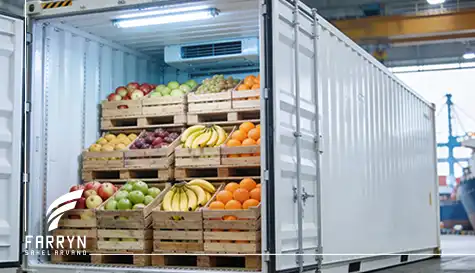
Challenges Caused by Late or Incorrect Reefer Booking
Poor timing or inaccurate booking of reefer containers can trigger several serious operational issues:
Shortage of Reefer Capacity
During peak shipping seasons, reefer containers quickly sell out. Ocean carriers must redistribute space among multiple vessels, and some destination routes may face critical supply gaps. Simply put—book late, lose availability.
As logistics professionals often say: On high‑volume trade routes, if you don’t reserve early, there may be no reefer space left when you need it.
Higher Freight Rates
When reefer demand surges, freight rates inevitably rise. Carriers adjust pricing during periods of high load or year‑end pressure. Late bookings often mean paying inflated seasonal rates—or being forced to switch to costly air freight to meet delivery deadlines.
Without demand forecasting, businesses risk unnecessary spending and profit loss.
Cargo Deterioration
Delays directly threaten perishable cargo. Each hour of idle time—whether waiting for container assignment or sitting at port for clearance—reduces product shelf life.
Soft fruits, leafy vegetables, seafood, and dairy are highly time‑sensitive; even minor delays or temporary power interruptions in the refrigeration unit can trigger thermal shock and hidden spoilage.
Such incidents not only cause product rejection at destination but may damage brand reputation and result in costly claims.
Market Loss
Fresh produce and temperature‑controlled goods depend on perfect timing. If shipments arrive late, the market window may close, competitors fill the demand, or retail prices drop.
Global buyers demand reliability—on‑time delivery and guaranteed freshness. Repeated delays erode trust, leading importers or distributors to shift orders elsewhere. Beyond financial damage, late reefer booking can reduce your long‑term trade volume and market presence.
Additionally, prolonged delays may cause extra port charges such as demurrage and storage fees. Many countries handle vast portions of perishable trade with limited reefer infrastructure, making container turnover slow.
Combined with insufficient cold‑chain capacity at terminals, delayed booking can create a logistical nightmare—ending with lower product quality and significant financial loss.
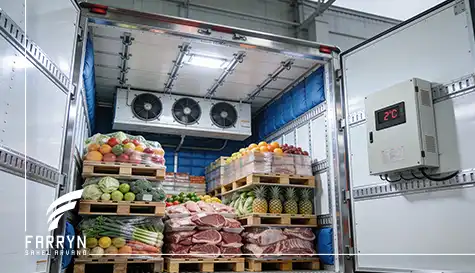
Using Seasonal Data and Demand Forecasting to Optimize Booking Time
To prevent these disruptions, companies increasingly rely on seasonal data analysis and demand forecasting.
By studying historical shipping volumes, harvest schedules, and consumption trends, logistics teams can accurately identify periods of peak and low demand.
Predictive tools—such as time‑series analytics and machine‑learning models—play a crucial role. These tools analyze variables like past sales, weather patterns, economic indicators, and consumer behavior to reveal underlying trends and reliably forecast future demand.
For example:
If forecasts show that the citrus harvest in a key export region will rise next month, a freight operator can proactively reserve reefer containers for that period.
Conversely, during expected low demand, container allocations can be reduced to prevent over‑booking and storage costs.
Advanced forecasting enhances overall supply chain efficiency—improving vessel space utilization, cold‑storage planning, and fleet readiness. Accurate demand prediction enables proactive rate management and avoids emergency air shipments.
During unexpected events—such as poor weather or global price fluctuations—predictive systems issue alerts for corrective actions (like rescheduling or rerouting).
In short, data‑driven demand forecasting aligns real‑world demand with available capacity, minimizing cost and time inefficiencies.
Best Practices for Improving Reefer Demand Forecasting
-
Data Integration
Consolidate sales, customer orders, and meteorological data into a centralized platform (ERP or logistics dashboard). Data uniformity ensures richer inputs for forecasting models.
-
Use of IoT and Smart Sensors
Equip reefer containers with temperature and GPS sensors for real‑time visibility. Live data from ongoing shipments can refine predictive algorithms and flag potential issues (such as cooling failures or port congestion).
-
Supply Chain Collaboration
Data sharing among shippers, freight forwarders, and customs brokers boosts forecasting accuracy. The more transparent the chain, the better the timing for booking.
-
Scenario Planning
Prepare contingency strategies for best‑ and worst‑case conditions—like sudden demand surges or route closures. Simulating different scenarios allows faster, preventive decision‑making.
By applying these strategies, logistics teams can optimize booking schedules and ensure capacity aligns with genuine market demand.
When analytics indicate rising demand, containers are reserved earlier. When demand drops, bookings are scaled down.
Such proactive scheduling prevents crisis management later and secures smooth reefer operations.
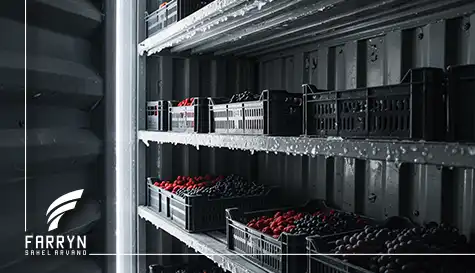
Smart Booking Platforms and Digital Reservation Systems
The rise of digital logistics has introduced intelligent online booking platforms that streamline reefer container reservations.
Leading freight companies now use automated systems that simplify container booking while integrating forecasting tools—similar to platforms like Farryn Smart Booking System, designed to make shipping easier and more transparent.
These platforms typically include:
Real‑Time Vessel Schedules
Importers and agents can view vessel departure/arrival times and check remaining reefer capacity directly via web or mobile.
This transparency enables precise booking decisions and optimized shipment planning.
Automated Booking and Confirmation
Instead of manual calls and emails, users input container quantity, origin, destination, and loading date—the system automatically verifies capacity and generates booking confirmations.
Alerts and Predictive Recommendations
Advanced systems connect to demand‑forecast networks and port data, sending alerts when certain trade routes face high seasonal pressure—prompting users to book earlier.
Cargo Condition Monitoring
Modern platforms also integrate container telematics, allowing temperature and location tracking. Shippers can monitor cargo freshness and take prompt action if anomalies occur.
Such smart booking technology enhances scheduling accuracy and creates extra time safety buffers for temperature‑sensitive products.
Many platforms even offer automated recommendations—such as optimal route selection or weather‑related delay alerts—ensuring reliable logistics performance with minimal administrative effort.
As noted in industry reports, digital booking combined with predictive demand analytics is rapidly becoming the standard solution for perishables logistics worldwide.
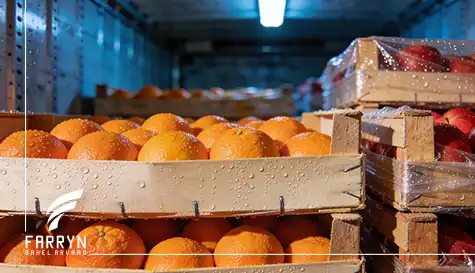
Smart Reefer Booking in Practice: Plan Early, Act Precisely
In conclusion, smart scheduling of reefer container bookings—supported by demand forecasting—is a strategic necessity for companies dealing with temperature‑sensitive goods.
By integrating real operational experience with modern AI‑powered prediction tools, importers and exporters can secure the right capacity at the right time.
Seasonal data, historical demand trends, and intelligent scheduling software ensure refrigerated containers are booked early, shipped safely, and delivered fresh.
Meanwhile, digital reservation systems like Farryn Smart Booking Platform simplify logistics, enhance transparency, and provide automatically generated forecasts and alerts—empowering exporters and importers to choose the ideal booking window.
Ultimately, the better the logistics planning and forecasting, the lower the risks of delay and loss.
Shippers who adopt smart technologies and consult international logistics specialists can optimize reefer container booking, reduce costs, preserve product quality, and strengthen their competitive advantage in global markets.
In the fast‑moving world of perishable trade, timely reefer container booking isn’t just an advantage—it’s a critical strategic requirement.
Companies leveraging market intelligence, smart analytics, and digital booking platforms gain the edge they need to deliver at peak freshness—while staying profitable and reliable.