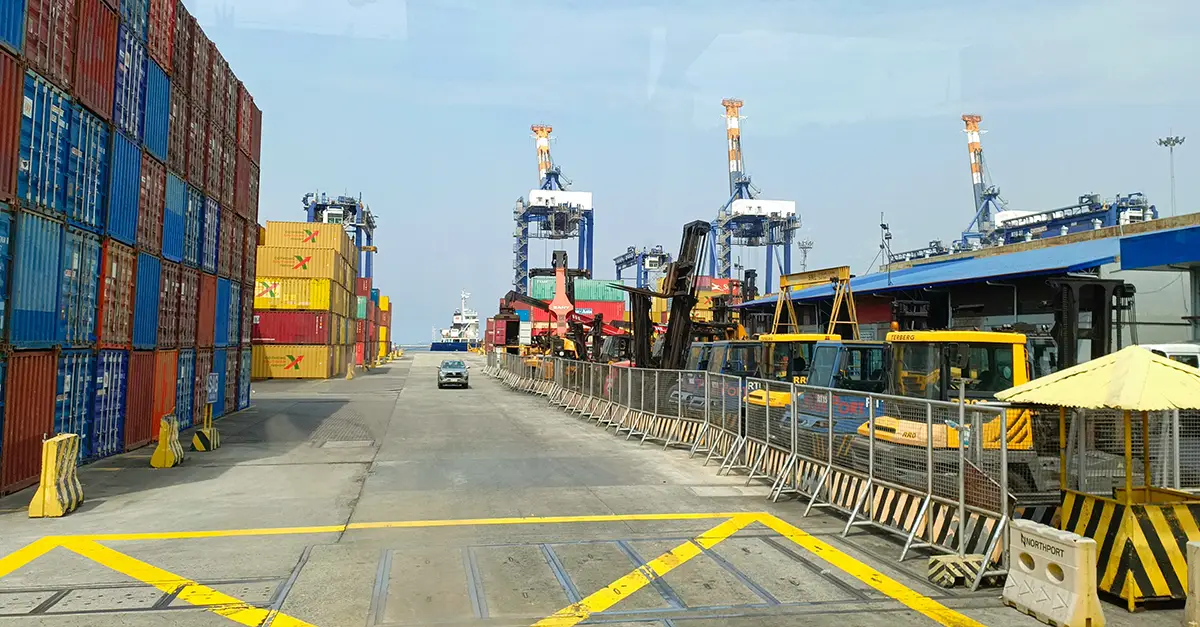
What Are Container Stripping and Stuffing? Definitions, Differences, and Processes
Have you ever looked closely at how cargo is loaded into or unloaded from containers at ports or customs terminals? At first glance, it may seem like a simple task, but in reality it requires precision, planning, and professional handling. In the logistics and international shipping industry, these two operations are known as container stuffing (loading) and container stripping (unloading).
In this article, we explain what container stuffing and stripping are and how each process is carried out in international logistics operations.
What Is Container Stripping?
In international shipping, container stripping refers to the process of unloading goods from a container. This operation usually takes place at a port terminal, customs warehouse, container freight station (CFS), or the consignee’s warehouse once the shipment arrives at its destination.
The terms de‑stuffing or container unloading are also commonly used in the logistics industry to describe this process.
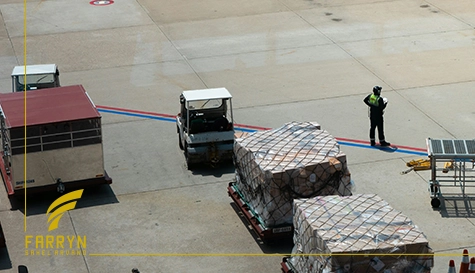
What Are the Steps in Container Stripping?
Container stripping follows specific operational and documentation procedures. The process generally includes the following stages:
Container Arrival at the Unloading Location
After the container arrives at the destination—such as a port terminal, customs facility, or the importer’s warehouse—it is moved to a designated unloading area.
Initial Inspection and Document Verification
The container undergoes a customs or security inspection. The container seal number is checked against shipping documents such as the Bill of Lading to ensure the cargo has not been tampered with. The external condition of the container is also inspected.
Breaking the Container Seal
At this stage, the official seal on the container is removed by a customs officer, terminal operator, or authorized warehouse staff, typically in the presence of the consignee or their representative.
Unloading the Cargo
Cargo is then removed from the container depending on its packaging type—such as pallets, cartons, sacks, or crates. The unloading may be done manually or with equipment like forklifts or cranes. In some cases, customs authorities may conduct a physical inspection during this stage.
Cargo Verification with Shipping Documents
The unloaded goods are counted and compared with the packing list, commercial invoice, and Bill of Lading. If the container contains cargo belonging to multiple importers (for example in LCL shipments), the goods must be separated and organized accordingly.
Recording and Documentation
Once the stripping process is completed, an operational report is recorded. This documentation typically includes details such as the date and location of unloading, cargo condition, and the personnel involved in the process.
Transfer of Cargo to Warehouse or Consignee
After stripping, the goods are transferred to a storage warehouse, a customs clearance area, or directly to the consignee for further distribution or use.

What Is Container Stuffing?
Container stuffing refers to the process of loading cargo into a container before it is transported by sea, rail, or road. It is a crucial step in preparing shipments for international transport.
This operation usually takes place at the exporter’s warehouse, manufacturing facility, logistics hub, or container freight station (CFS) at the origin of the shipment.
Steps in the Container Stuffing Process
Container stuffing is carried out in several organized stages to ensure safe transportation and efficient use of container space.
Preparing Documents and Transport Arrangements
The stuffing process begins once the cargo is ready for shipment and coordination has been made with a freight forwarder or shipping company. At this stage, the appropriate container type and size are determined. For example, the shipment may require a 20‑foot or 40‑foot container, or a refrigerated container (reefer) if the cargo is temperature sensitive.
Cargo Packaging
Cargo must be packaged properly to withstand long-distance transportation. Goods are typically arranged on pallets or packed into cartons, bags, crates, or drums so that they can be handled safely and loaded efficiently inside the container.
Preparing and Inspecting the Container
Before loading begins, the container itself must be inspected. The interior should be clean, dry, odor‑free, and structurally sound. The walls must not have holes or severe rust, and the container should not have previously carried hazardous cargo unless it has been properly cleaned and certified.
Loading Cargo into the Container
During the actual stuffing stage, cargo is carefully arranged inside the container to maximize space utilization and maintain proper weight distribution. To prevent shifting during transit, workers use securing materials such as dunnage, wooden braces, straps, and padding.
Sealing the Container
Finally, the loaded cargo is checked against the packing list. Once verified, the container doors are closed and sealed with a high‑security seal, and the container is transported to the port terminal or export facility for shipment.
Types of Container Stuffing
Depending on the shipment type, cargo characteristics, and logistics arrangements, container stuffing can be carried out in several different ways.
Door Stuffing (Factory Stuffing)
In this method, cargo is loaded directly into the container at the manufacturer’s facility or the shipper’s warehouse. After stuffing, the container is sealed and transported to the port or export terminal.
This method is commonly used when cargo is heavy, bulky, or requires careful handling, or when the shipper wants full control over how the goods are arranged inside the container.
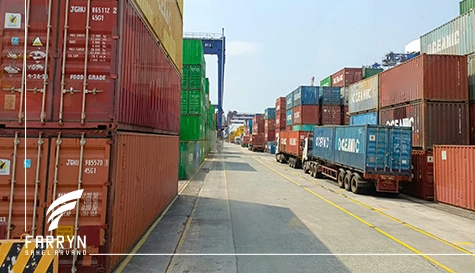
Customs Area Stuffing
In this approach, goods are first transported to a customs-controlled area or container freight station. The cargo is then loaded into the container within the customs facility.
This method is often used when the shipper’s premises are not suitable for container loading, when customs authorities need to inspect cargo before export, or when shipments from multiple locations are consolidated.
Products such as pharmaceuticals, chemicals, or food items, which may be subject to strict regulatory inspection, are frequently stuffed using this method.
Groupage or LCL Stuffing
In groupage (Less than Container Load – LCL) stuffing, smaller shipments from multiple exporters are consolidated into a single container. This process typically takes place at specialized consolidation warehouses operated by freight forwarders.
It is a cost‑effective solution for companies that do not have enough cargo to fill an entire container.
Direct Stuffing
In direct stuffing, the container is loaded and sealed at the factory or warehouse and then transported directly to the port or final destination without intermediate storage or consolidation.
This approach is often used for time‑sensitive shipments or cargo that requires minimal handling to maintain quality and safety.
Reliable Container Stuffing and Stripping with an Experienced Logistics Partner
Understanding the difference between container stuffing and stripping is essential for anyone involved in international trade or supply chain operations. The way cargo is loaded and unloaded directly affects cargo safety, customs clearance time, and overall logistics costs.
For this reason, working with a professional and experienced freight and logistics company is crucial to ensure that these operations are carried out correctly and efficiently.
Farryn Sahel Arvand has extensive experience in container transportation and logistics services. With the support of skilled specialists and modern handling practices, the company helps businesses manage stuffing and stripping operations safely, efficiently, and in compliance with international shipping standards.
By partnering with an experienced logistics provider, companies can simplify these processes, reduce risks, and move confidently to the next stages of transportation and customs clearance.