
Egg Import Process from Start to Finish
Eggs, as a temperature‑sensitive commodity, occupy a unique position in the competitive market of agricultural and protein products. Characteristics such as perishability, sensitivity to temperature fluctuations, and a high risk of breakage during transportation mean that this product requires specialized logistics handling.
In this regard, the use of standard refrigerated containers (reefer containers) can help preserve egg quality until the cargo reaches its destination. This article examines the requirements of ocean transport for eggs using reefer containers and analyzes the role of logistics providers such as Farryn Sahel Arvand Shipping in offering reliable capacity and operational transparency.
Because eggs are highly sensitive to temperature variations, importing them requires careful planning, proper documentation, and strict compliance with sanitary and logistics protocols. The main steps of the egg import process include the following:
Market Analysis and Supply Capacity Assessment
Importers must first determine which type of eggs the target market requires (fresh, processed, brown, or white eggs) and whether foreign suppliers have the production capacity to meet the expected demand and quality standards.

Obtaining Required Import Permits
Importing eggs typically requires veterinary permits, health certificates, and registration within the national trade or customs system. Compliance with the sanitary and phytosanitary standards of the importing country is also essential.
Signing a Contract with the Supplier
The commercial contract should clearly specify the product specifications, sanitary standards, packaging requirements, shipping conditions, insurance coverage, delivery schedule, and payment terms. Selecting the appropriate Incoterm is also a critical part of the agreement.
Packaging and Cargo Preparation
Eggs must be packed in shock‑resistant cartons and trays suitable for refrigerated transport. Proper labeling is mandatory and must include production date, expiration date, storage temperature, and country of origin.
Cold Storage Handling and Inland Transport to the Port of Loading
To move the eggs from the supplier’s facility to the port of shipment, refrigerated trucks (reefer trucks) are required. This stage demands careful coordination to maintain the integrity of the cold chain.
Pre‑Shipment Inspection and Health Certification
Before shipment, veterinary authorities inspect the cargo to confirm that it complies with health and safety standards. Once approved, an international veterinary health certificate is issued.
Reefer Container Booking and Handover to the Shipping Line
Based on the vessel schedule, a refrigerated container (reefer) is booked with the shipping line. The container temperature must be pre‑cooled and set before cargo loading to ensure stable conditions during transit.
Bill of Lading, Import Documentation, and Cargo Insurance
The Ocean Bill of Lading (B/L) is issued after loading, and the importer prepares the necessary documentation for customs clearance. If required, international cargo insurance is arranged to cover potential transport risks.
Shipment Dispatch and Customs Clearance at Destination
After the cargo is shipped, the importer must coordinate with the destination agent or customs broker to ensure smooth customs clearance and prevent container delays, which may lead to demurrage or detention charges.
Payment Settlement and Market Feedback Analysis
After successful cargo delivery and clearance, payment is settled according to the contractual terms. Importers should also analyze market feedback, product condition upon arrival, and customer satisfaction to facilitate future transactions.

Major Egg Import Markets
Global egg import demand is largely concentrated in the following regions:
Gulf Cooperation Council (GCC) Countries (UAE, Qatar, Oman):
Due to their hot climate and limited domestic production capacity, these countries rely heavily on egg imports.
Iraq:
A major regional egg importer that sources shipments through both land and sea routes.
Afghanistan and Central Asia:
Limited local production infrastructure makes these markets dependent on imported eggs.
Russia and the Eurasian region:
Seasonal demand peaks during winter months, and these markets often seek alternative suppliers.
Southeast Asian countries (Indonesia, Malaysia, Philippines):
Growing consumption has increased demand, particularly for processed or liquid egg products.
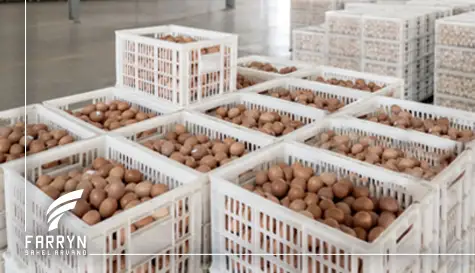
Challenges of Egg Transportation in the Cold Chain
To ensure successful egg imports, several critical principles must be maintained within the temperature‑controlled supply chain.
Physical Breakage
Proper packaging and the use of shock‑resistant pallets are essential, as even minor breakage can reduce the commercial value of the cargo and increase contamination risks.
Accurate Temperature Control
Eggs must be transported within a temperature range of 4°C to 8°C. Temperature fluctuations or power interruptions in a reefer container may lead to bacterial growth such as Salmonella, posing a risk to consumer health.
Transit Time
Every hour of delay during transit directly impacts the remaining shelf life of eggs in retail markets. Therefore, accurate planning and timely loading and discharge operations are critical.
Quarantine and Regulatory Requirements
Import destinations usually require veterinary health certificates, packaging standards compliance, and temperature monitoring logs during transportation.
Customs Procedures and Destination‑Related Challenges
In many countries, including Iraq and Russia, cargo clearance may encounter bureaucratic challenges, making advance planning essential for importers.
Challenges Before Cargo Reaches the Shipping Stage
Before egg shipments reach the ocean transport stage, importers may encounter several operational challenges:
Consistent supply of high‑quality eggs:
Temperature variations in storage facilities or delays in collection can affect product quality.
Lack of coordination between cold storage, packaging, and customs procedures:
Poor timing can compromise cold chain conditions.
Limited availability of refrigerated inland transport:
This challenge becomes more evident on long routes between production sites and seaports.
Delays in veterinary documentation:
Any mismatch in documents may disrupt the logistics process.
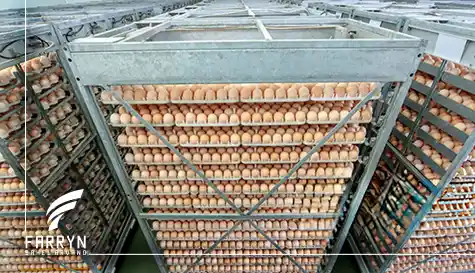
International Standards for Egg Transportation
International organizations such as FAO, Codex Alimentarius, and WHO classify eggs as temperature‑sensitive products. Their guidelines typically include:
- Maintaining a temperature range between 4°C and 8°C throughout the transport chain
- Avoiding unnecessary opening of the container doors during transit
- Using digital temperature monitoring systems with deviation alerts
- Ensuring proper ventilation and preventing excess humidity inside the container
- Avoiding mixed cargo within the same container
Advantages of Using Reefer Containers for Egg Imports
Using refrigerated containers provides several benefits:
- Maintaining egg quality during long‑distance transport
- Reducing spoilage rates and cargo rejection risks
- Increasing importer confidence and facilitating long‑term supply contracts
- Allowing precise control of temperature, humidity, and ventilation
- Reducing potential insurance claims due to cargo damage
Key Recommendations for Egg Importers
To achieve successful egg import operations, the following recommendations can significantly increase commercial success and customer satisfaction:
Proper Planning
Egg import is not an instant process. It requires accurate coordination between suppliers, logistics providers, and cold chain operators.
Working with Logistics Providers with Verified Capacity
Partnering with logistics companies that provide real and traceable shipping capacity is essential.
Paying Attention to Documentation
Even minor inconsistencies in documentation can delay customs clearance. Always verify documents with your supplier before shipment.
Standardizing Packaging and Labeling
Packaging appearance, clear production dates, and accurate labeling significantly affect buyer trust.
Identifying the Target Market and Its Specific Regulations
Some markets require strict compliance with special health or packaging standards.
Planning for Reverse Logistics
In the event of cargo rejection or damage, importers should have contingency plans for replacement or claims.
The Role of Farryn Sahel Arvand in Egg Import Logistics
With expertise in temperature‑controlled cargo logistics and direct access to reefer shipping lines, Farryn Sahel Arvand offers a reliable solution for egg import operations:
- Providing verified and documented container capacity
- Fast and transparent container booking
- Real‑time container tracking and reporting
- Packaging consultation and origin logistics support
- 24/7 operational support from booking to final delivery
Successful Egg Import Operations Start Here
Overall, eggs are a temperature‑sensitive commodity that require specialized logistics solutions and refrigerated containers. Importers should rely on logistics providers that offer documented capacity, operational transparency, and reliable cold chain management rather than unverified promises.
With extensive experience in reefer logistics, Farryn Sahel Arvand Shipping is ready to support importers in sourcing and transporting eggs to their target markets.
For consultation, container booking, or freight quotations, contact us today.