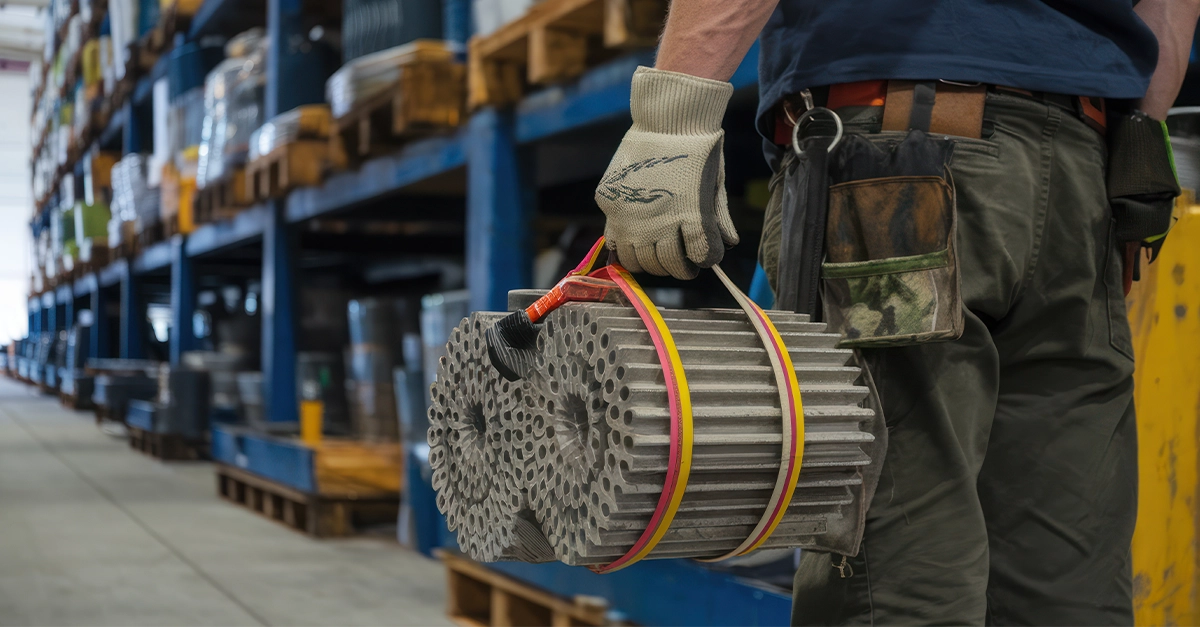
Exporting Auto Parts to Iran: A Practical Guide for Global Suppliers and Exporters
When market demand outpaces domestic production, new opportunities arise for smart exporters who can fill the gap.
Iran’s automotive sector is one of those markets — vibrant, fast‑growing, yet dependent on imported components. In 2023 alone, Iran imported more than USD 3.8 billion worth of auto parts, and this trend continues upward.
For manufacturers and exporters abroad, this represents a strong, sustainable demand. But where should you start? Which regulations apply? And what factors shape this trade route?
This guide answers those key questions from the exporter’s perspective.
7 Steps to Successfully Export Auto Parts to Iran
Before entering the Iranian market, it’s important to have a clear understanding of how the process works. By preparing in advance and knowing the sequence, you can save both time and resources.
The process can be outlined in these seven essential stages:
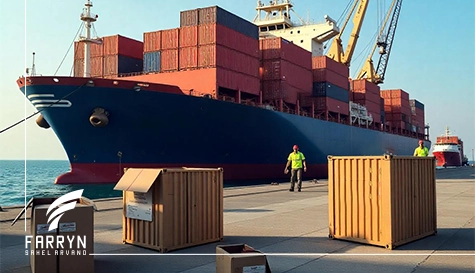
1. Find the Right Iranian Buyer or Distributor
The first and most important task is identifying a trustworthy partner in Iran — someone capable of handling customs procedures, local logistics, and after‑sales services.
While many companies prefer exclusive agents, working with several importers across different provinces can reduce dependency and supply risks.
Business exhibitions, B2B marketplaces, and industry references are all useful places to start. Always review a potential partner’s trade record, and whenever possible, request sample shipments to verify quality and reliability before signing agreements.
Contracts should include precise delivery terms and penalties for delays or product non‑compliance.
2. Agreement and Issuing the Proforma Invoice
Once basic business terms are settled, the Proforma Invoice acts as the foundation for all subsequent steps.
It should clearly specify details such as product type, HS code, quantity, price, packaging, payment terms, and incoterms (e.g., CIF Bandar Abbas or FOB Mumbai).
Your Iranian buyer will use this document to register the official import order with the authorities.
3. Import Order Registration by the Iranian Partner
The legal registration happens inside Iran — through the Integrated Trade System (NTSW) managed by the Ministry of Industry, Mine, and Trade.
Your buyer will need a Commercial Card, and the proforma invoice you issued will be uploaded to this platform to obtain the import permit.
From the exporter’s side, it’s crucial to ensure that product names and specifications match exactly between documents and packaging; inconsistencies can delay customs clearance.
4. Compliance with Iranian Standards and Certifications
Certain auto parts — especially safety‑related ones such as brakes, lights, airbags, or belts — require approval from the Institute of Standards and Industrial Research of Iran (INSO).
Inform your buyer early if your products already hold international certificates (ISO, IATF, E‑Mark); these can help accelerate Iranian standard validation and reduce inspection times.
5. International Shipping and Logistics
Once documentation and payment arrangements are finalized, it’s time for transport.
Depending on your location, shipping can be handled:
- By sea via Persian Gulf ports such as Bandar Abbas or Bushehr
- By land through Turkey or the UAE
- By air for high‑value or urgent shipments
Pre‑planning transit routes based on cost, lead time, and product sensitivity will help avoid last‑minute complications.
6. Customs Clearance in Iran
At the destination, your Iranian partner will submit the set of required documents — including the Bill of Lading, Packing List, Final Invoice, and Customs Declaration.
When documents are accurate and all duties are paid, clearance is typically smooth and quick. Mislabeling or incomplete papers, however, can cause preventable delays.
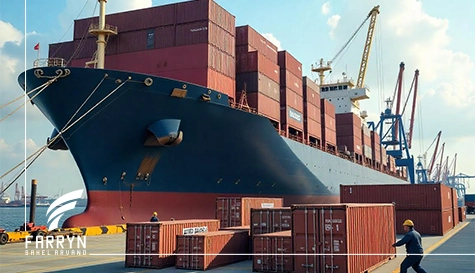
Which Export Origins Offer the Best Potential?
Choosing the right export market to target Iran depends on cost, quality, and existing trade ties.
At the moment, most of Iran’s automobile parts imports come from the following countries:
China
China remains Iran’s largest automotive parts supplier due to its broad product range, competitive pricing, and production flexibility.
For exporters capable of large‑scale manufacturing or private‑label orders, the Iranian market offers substantial opportunities — especially given the widespread presence of Chinese vehicles in Iran today.
That said, building trust and ensuring consistent quality are essential for maintaining long‑term partnerships.
United Arab Emirates (Dubai)
Dubai acts as the trade hub of the Middle East’s auto parts market and one of Iran’s most strategic supply gateways.
It offers a vast variety of Japanese, Korean, and European components — both new and reconditioned — and allows small‑volume shipments and quick turnaround.
The short distance to southern Iranian ports keeps freight costs low while significantly speeding up delivery.
For exporters aiming to supply high‑quality OEM parts to Iran swiftly, Dubai’s re‑export model is one of the smartest routes.
Turkey
Turkey stands out thanks to its geographic proximity and advanced automotive supply base.
Its overland logistics to Iran are efficient and cost‑effective, making deliveries faster than intercontinental routes.
The Turkish market is especially strong in European and Asian brand components such as Mercedes‑Benz, Peugeot, Renault, Ford, Honda, and Mitsubishi.
Although variety is not as broad as China or Dubai, Turkish exporters can serve well for specialized or just‑in‑time deliveries.
India
India is increasingly becoming a promising auto‑parts exporter to Iran.
Its low manufacturing costs, skilled workforce, and growing compliance with international standards (ISO/IATF) make it an attractive partner, particularly for heavy‑vehicle and industrial components like suspension, braking, and electrical systems.
Exporters from India looking for a long‑term foothold in the Middle East can find Iran a strong, sustainable destination.
Customs and Regulatory Framework in Iran
To ensure smooth entry, exporters must understand key Iranian customs requirements affecting cost, transit time, and product eligibility.
HS Codes
Most automotive components fall under HS Code 8708. Always specify the correct code on invoices and packaging so your buyer’s customs declaration matches exactly. Misclassification can lead to fines or delayed clearance.
National Standard Compliance
Safety‑critical parts — brakes, lighting, steering, tires — must have certification from the Iranian National Standard Organization.
Without such approval, the goods cannot be released from customs. Your importer may need a Certificate of Conformity or Letter of Exemption before clearance.
Customs Tariffs and Taxes
Each part has a different import duty depending on category, origin, and local production status.
Components without domestic equivalents often enjoy lower tariffs, while VAT (around 9 %) may apply.
Electronic sensors or spark plugs may look similar but fall under distinct tariff codes.
Ban on Used or Unpackaged Parts
Iran strictly prohibits the import of used, second‑hand, or unboxed components to ensure consumer safety and prevent counterfeit trade. Even brand‑new parts shipped without standard packaging risk being classified as “used goods” in customs.
Optimizing Logistics: How to Cut Time and Cost
In export operations, logistics can make or break profitability. For auto parts targeting Iran:
- Select the best route — sea freight from China or India to Bandar Abbas is economical; from Turkey or the UAE, road freight is faster.
- Use protective packaging — automotive components are sensitive; poor packing can cause rejections or insurance issues.
- Coordinate with specialized customs offices — Shahriyar, Bandar Abbas, and Bushehr have dedicated auto‑parts divisions that process clearances more efficiently.
- Work with experienced freight forwarders — local expertise helps prevent costly documentation or inspection delays.
Reliable Logistics Partnership: The Key to Smooth Exports
Exporting auto parts to Iran requires not only precise planning but also cooperation with a logistics partner familiar with Iranian regulations and customs systems.
Procedures, licenses, and unexpected challenges often arise, and only hands‑on experience in Iran’s specialized ports can navigate them efficiently.
farryn Sahel Arvand, with years of expertise in Iranian import logistics, assists exporters in minimizing risks, ensuring full compliance, and improving both delivery times and cost efficiency.