What Is Container Shipping and How Does It Work?
Container Shipping: Definition, Process, and Everything You Should Know
Containerized shipping, as we know it today, was pioneered in the 1950s by American entrepreneur Malcom McLean, revolutionizing global trade. Before this innovation, cargo was loaded piece‑by‑piece onto vessels — a slow, labor‑intensive, and costly process that also increased the risk of damage and theft.
With the introduction of standardized containers, global logistics changed dramatically. Cargo became safer, handling became faster, and transportation costs dropped significantly.
In this guide, we take a closer look at how container shipping works, the types available, and why it has become the backbone of international trade.
What Is Container Shipping?
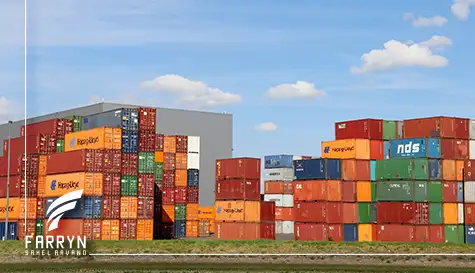
Container shipping is a method of transporting goods using standardized steel boxes known as containers.
These containers hold the cargo from origin to destination without repacking, allowing seamless movement via ships, trucks, and trains.
Key Advantages of Container Shipping
Before containers became widespread, each shipment had to be loaded piece‑by‑piece onto the vessel — a slow and expensive approach. Today, goods are packed into containers at the factory or warehouse and moved directly onto ships, trucks, or trains.
Here are the biggest advantages of this system:
Faster Handling and Transportation
Containerization has dramatically sped up loading and unloading operations. Ports can now process cargo in hours instead of days, enabling faster global movement.
Reduced Risk of Damage or Theft
Once cargo is packed, the container is sealed and remains closed until it reaches its final destination.
This minimizes risks such as theft, contamination, or damage during transit.
Efficient Multimodal Transport
One of the greatest strengths of container shipping is its seamless compatibility with multiple transport modes.
The same sealed container can be transferred from a ship to a truck or railcar without repacking. This reduces transit time, handling costs, and the risk of cargo damage.
Improved Supply Chain Management
Containers make supply chain planning easier. Tracking shipments, managing documentation, scheduling movements, and controlling inventory flow all become more efficient and more accurate.
Lower Overall Costs
Since cargo is shipped in large, standardized units, there’s typically less need for expensive individual packaging or additional insurance layers.
This makes container shipping one of the most cost‑effective options for global trade.
Container Shipping Is Not Just for Large Cargo
Contrary to popular belief, you don’t need to fill an entire container yourself. Depending on your cargo volume and budget, you can ship in two primary ways:
FCL – Full Container Load
If you have a large shipment, you can book an entire container.
This means your cargo travels exclusively from origin to destination, providing:
- Higher security
- Faster handling
- Lower risk of damage
- Ideal conditions for fragile, high‑value, or bulk shipments
LCL – Less than Container Load
If you have smaller shipments that cannot fill a full container, LCL is the ideal solution.
Your cargo is consolidated with other shippers’ goods inside one container.
This reduces cost since freight charges are shared by all users.
The trade-off is slightly longer transit time, because:
- Cargo needs to be consolidated at the origin warehouse
- Upon arrival, the shipment must be deconsolidated before delivery
But LCL remains one of the most cost‑efficient solutions for small and medium shipments.
How the Container Shipping Process Works
Containerized shipping follows several key steps. Understanding them helps ensure smoother, faster logistics.
1. Container Booking
The first step is selecting the right container type and booking it through a carrier or freight forwarder.
You’ll need to provide information such as cargo type, weight, dimensions, delivery location, and target schedule.
2. Loading Cargo Into the Container
Cargo is loaded at the shipper’s warehouse or a designated container yard.
Proper packing, securing, and weight distribution are essential to prevent damage and maximize space.
3. Sealing the Container
After loading, the container is sealed using a unique metal or plastic security seal.
This seal must remain intact until arrival, where it will be verified by customs and the consignee.
4. Transporting the Container
The sealed container is then moved to its destination by sea, truck, or rail.
Upon arrival, it’s unloaded at the port or terminal and prepared for final delivery.
5. Container Opening in Presence of Cargo Owner
Once customs verifies the seal and documentation, the container is opened in the presence of the consignee or their representative to ensure everything matches the shipping documents.
6. Customs Clearance
The final step is customs clearance. Required documents typically include:
- Bill of Lading
- Commercial Invoice
- Packing List
- Certificate of Origin (when applicable)
Once duties are paid and documentation is approved, the cargo is released for delivery.
Common Challenges in Container Shipping
Although container shipping is one of the most reliable and economical transport methods, it does pose certain challenges.
Knowing these helps businesses plan better and reduce risks.
Delays in Transit
Port congestion, severe weather, or route disruptions can delay shipments — especially critical for perishable or time-sensitive cargo.
Cargo Damage Due to Improper Loading
Improper stowage (for example stacking heavy items on fragile goods or mixing incompatible chemicals) can result in serious damage during transit.
Container Shortage or Limited Space
During peak seasons or on high-demand routes, finding available empty containers can be difficult.
In some cases, political or security issues on specific trade lanes can also limit container availability.
Why Choosing the Right Shipping Partner Matters
Many container‑shipping challenges can be avoided by working with an experienced, reliable logistics partner.
A knowledgeable forwarder understands proper packing, documentation, port procedures, and optimal routing — ensuring your shipment arrives safely and on time.
Farryn Sahel Arvand, backed by years of operational expertise, supports businesses through every stage of the process, helping ensure smooth, organized, and secure container transportation.
Consulting their specialists at the start can significantly improve your shipping experience.