FCL vs LCL Shipping: Key Differences, Benefits, and When to Choose Each Method
When arranging international freight services, carriers usually present two main options: FCL (Full Container Load) or LCL (Less than Container Load). Sometimes, freight forwarders recommend one option based on the size, weight, and nature of your cargo.
In this guide, we explain what FCL and LCL mean, how they differ, and how to choose the best method for your shipment.
What Is FCL Shipping?
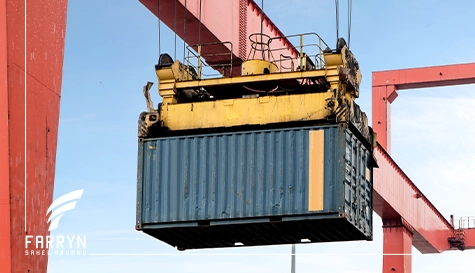
FCL stands for Full Container Load. This method is used when your cargo volume is large enough to occupy an entire container. In an FCL shipment, the entire container is dedicated exclusively to one shipper, and your goods are not consolidated with cargo from other clients.
Benefits of FCL Shipping
- More cost‑effective for large volumes of cargo.
- Lower risk of damage, delays, and handling issues because the container is dedicated to a single shipment.
- Faster and simpler customs clearance, as only one shipper and one consignee are involved.
- Reduced likelihood of inspection delays or administrative complications.
Drawbacks of FCL Shipping
- Not economical for small shipments; you must pay for the entire container—even if it isn’t full.
What Is LCL Shipping?
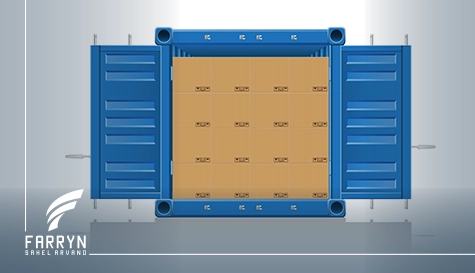
LCL stands for Less than Container Load. This method is ideal when your cargo does not fill an entire container. Multiple shippers’ goods are consolidated into a single shared container and shipped together to the same destination region.
Benefits of LCL Shipping
- Cost‑efficient for small and medium‑sized shipments; you only pay for the space your cargo occupies.
- Greater flexibility for businesses with variable or smaller order volumes.
- Suitable for regular shipments that do not require full containers.
Drawbacks of LCL Shipping
- Longer transit time, as the container must wait to be filled before departure.
- Additional handling at consolidation and deconsolidation warehouses, increasing the risk of minor delays.
- More complex customs procedures, since each shipper’s cargo must be individually verified.
- Slightly higher vulnerability to damage or misplacement due to shared container space.
Why FCL and LCL Differ
FCL and LCL shipping influence cost, transit time, security, and customs processes. To choose properly, consider the following factors:
Cargo Volume
This is the primary factor.
If your goods can fill a full 20‑foot or 40‑foot container, FCL is the more efficient choice.
For smaller loads, LCL is far more economical.
Shipping Cost
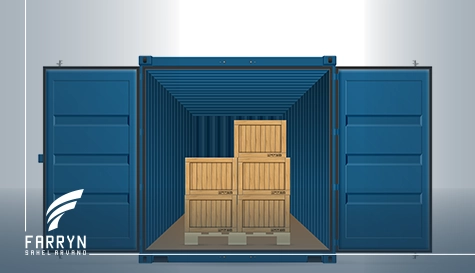
In FCL, you pay for the entire container, regardless of how much space you use.
In LCL, the container cost is shared among multiple shippers—you only pay for the volume or weight you occupy.
Transit Time
FCL shipments are typically faster, as they involve only one shipper and no consolidation requirements.
LCL shipments may take longer due to:
- consolidation at origin,
- deconsolidation at destination,
- and additional customs checks.
Risk of Damage or Loss
Since an FCL container belongs solely to you, cargo is handled fewer times and has lower exposure to risk.
With LCL, multiple shipments share the container, increasing the chance of:
- cargo shifting,
- minor impact during handling,
- or misplaced labels during consolidation.
Customs and Documentation
FCL customs procedures are straightforward, with fewer inspections and quicker release times.
LCL shipments require separate customs documentation for each shipper, which may cause delays—especially if another shipper’s cargo faces compliance issues.
Choosing the Right Option: Get Expert Guidance
Now that you know the core differences between FCL and LCL, your decision should be based on your cargo type, shipment volume, delivery deadlines, and cost considerations.
Some logistics providers only offer full-container services, which means businesses with smaller shipments may end up paying for an entire container—even when they don’t need it.
If you want reliable guidance, a smoother shipping process, and the best option for your supply chain, partnering with an experienced freight forwarder can make all the difference.
Farryn offers both FCL and LCL solutions, helping you choose the right method, prepare documentation correctly, and ensure safe and timely delivery of your cargo.