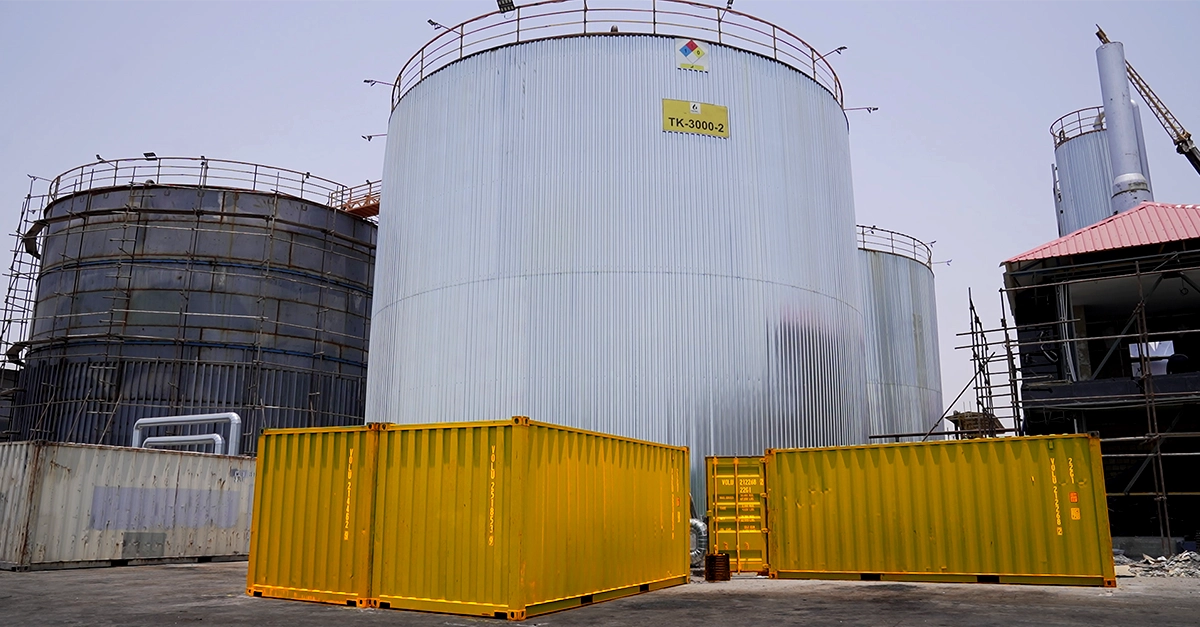
Import and Trade of Bitumen from Iran
At first glance, the import and trade of bitumen from Iran may appear challenging. After all, bitumen is a flammable petroleum-based cargo that must be stored, handled, and transported under specific temperature conditions. For this reason, its packaging, handling, loading, and international transportation require specialized equipment, strict safety measures, and precise operational planning.
Despite these operational challenges, trading bitumen from Iran offers considerable commercial potential. Many countries rely heavily on imported bitumen for road construction, infrastructure development, waterproofing systems, and industrial applications. In addition, compared with crude oil and certain other petroleum products, bitumen has often faced fewer international trade restrictions, which has made it a strategically important commodity in global markets.
Iran is recognized as one of the key regional suppliers of bitumen, benefiting from substantial refinery output and consistent feedstock availability. As a result, many international traders, contractors, and importers source bitumen from Iran for projects across regional and overseas markets.
With this in mind, the key question becomes: how can companies enter the import and trade market for bitumen from Iran and manage the process efficiently and safely?
In this article, we will examine the trade and import of bitumen from Iran in detail, including product categories, commercial procedures, documentation requirements, and logistics considerations.
What Are the Types of Bitumen from Iran?
Before discussing the commercial and logistics process, it is important to understand the main types of bitumen from Iran available in international markets. Bitumen supplied from Iran can generally be classified based on its production process, technical grade, and intended application, as follows:
Penetration Grade Bitumen
Penetration grade bitumen is produced directly through the refining and distillation of crude oil and is considered one of the most widely traded grades in global markets.
This type is commonly supplied in grades such as 60/70, 80/100, and 40/50, which indicate the material’s penetration characteristics. These grades are extensively used in road construction, pavement engineering, and the production of both hot mix and cold mix asphalt.
Because of its stable performance, broad usability, and established demand, penetration grade material remains one of the most frequently purchased categories of bitumen from Iran.
Blown / Oxidized Bitumen
Blown or oxidized bitumen is produced by injecting hot air through bitumen during the final stage of the refining process. This process changes the product’s physical properties, resulting in a grade with lower penetration values, higher softening point, and improved resistance to temperature fluctuations.
Compared with straight-run grades, oxidized bitumen offers greater consistency and enhanced thermal stability, making it suitable for a wide range of industrial and construction applications.
This type of bitumen from Iran is widely used in:
- Roofing membranes and waterproofing sheets
- Thermal and moisture insulation systems
- Paint, coating, and adhesive industries
- Industrial and chemical manufacturing processes
For these reasons, oxidized grades are frequently traded for industrial consumption and construction-related applications.
Cutback Bitumen
Cutback bitumen is produced by blending bitumen with petroleum-based solvents, such as kerosene, gasoline, or naphtha. This formulation allows the product to remain liquid at ambient temperature, which facilitates easier handling and application in specific project conditions.
Once applied, the solvent evaporates relatively quickly, leaving the base bitumen to harden and perform as a binding agent.
Because of these characteristics, cutback grades of bitumen from Iran are commonly used in:
- Cold asphalt production
- Road maintenance operations
- Surface patching and repair works
This category is particularly useful for projects that require ease of application, operational flexibility, and faster deployment under varying site conditions.
Emulsion Bitumen
Emulsion bitumen is another important category of bitumen from Iran traded in international markets. It is produced by combining bitumen, water, and an emulsifying agent, often based on ammonium compounds or similar chemical agents.
Unlike cutback bitumen, emulsion grades use water instead of petroleum solvents, which reduces environmental impact and lowers flammability risk during storage, handling, and transport.
This type is valued for:
- Strong adhesive performance
- Reduced environmental impact
- Improved handling safety
- Suitability for road maintenance applications
However, because the water content evaporates relatively quickly, emulsion bitumen generally has a shorter storage life and should be used within a limited timeframe.
Emulsion-based bitumen from Iran is widely used in:
- Road construction projects
- Pavement preservation and maintenance
- Surface treatment applications
- Sealing and insulation systems
What Are the Main Stages in Trading Bitumen from Iran?
After becoming familiar with the available product categories, the next step is understanding the main commercial, documentary, and logistics stages involved in sourcing and trading bitumen from Iran.
Order Registration
For suppliers operating in Iran, one of the first formal steps in international trade is the registration of the order in Iran’s Integrated Trade System. This stage includes the submission of key shipment and transaction details, such as:
- Product specifications
- Destination country
- Contract type and commercial terms
- Customs-related information
Once this information is registered, the system identifies the required licenses, regulatory approvals, and procedural prerequisites. Without this registration step, the remaining trade and export formalities cannot be properly completed.
Obtaining Required Permits
Depending on the type of bitumen, delivery destination, transport mode, and buyer requirements, several permits and technical certificates may be needed.
These may include:
- National standard certificates
- Product analysis reports
- Quality compliance certificates
- Inspection reports issued before shipment
In many transactions involving bitumen from Iran, international buyers require an independent inspection certificate from organizations such as SGS or other recognized inspection bodies, in order to verify quality and contractual conformity prior to dispatch.
To avoid delays, discrepancies, or customs complications, it is highly advisable to coordinate with professionals experienced in petroleum cargo documentation, export compliance, and international logistics.
Contract Agreement Between Buyer and Supplier
A critical step in the trade of bitumen from Iran is the conclusion of a clear and enforceable commercial agreement between the supplier and the overseas buyer.
The sales contract generally defines matters such as:
- Shipment volume
- Packaging format
- Product grade and specifications
- Price structure and payment terms
- Delivery terms based on Incoterms
- Shipment and delivery schedule
A well-drafted contract based on international commercial practice helps reduce ambiguity, protects both parties’ interests, and minimizes the risk of disputes during cargo preparation, shipping, and delivery.
Product Preparation and Packaging
Bitumen is highly sensitive to temperature variation, contamination, moisture exposure, and improper handling, which means that cargo preparation and packaging must be managed with great care.
In international trade, bitumen from Iran is commonly supplied in several shipment formats, including:
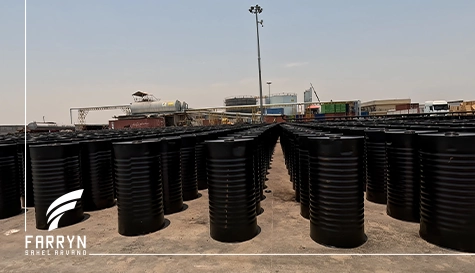
- Steel drums
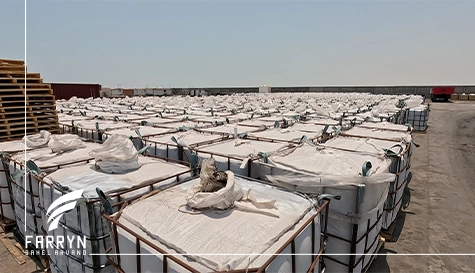
- Jumbo bags
- Poly bags
- Bulk cargo loaded into tanker vessels or specialized tanks
Bulk shipments are generally used for large-volume cargo movements and may require heated tanks, thermal control systems, and specialized loading arrangements, depending on the nature of the product and the transit conditions.
The selected packaging method depends on factors such as:
- Destination market regulations
- Buyer requirements
- Mode of transport
- Port handling capabilities
- Storage conditions at origin and destination
Customs Clearance and Transportation
Once the cargo is prepared, packed, and documented, it proceeds to the customs clearance stage. At this point, customs authorities review the relevant shipment documents, verify compliance requirements, and, where necessary, inspect the cargo prior to issuing clearance authorization.
After customs clearance is completed, bitumen from Iran can be transported to the buyer’s destination through different logistics channels, including:
- Road transport through border crossings
- Maritime transport via commercial seaports
- Rail freight connections
Among these methods, ocean freight remains one of the most common options for high-volume shipments of bitumen from Iran, especially for customers located in long-haul or overseas markets.
The selected transport route and delivery structure have a direct impact on:
- Transit time
- Freight cost
- Cargo handling conditions
- Delivery reliability
- Overall supply chain efficiency
What Documents Are Required for Trading Bitumen from Iran?
As mentioned earlier, the international trade of bitumen from Iran requires a set of commercial, technical, customs, and transport documents. Without these documents, the cargo cannot be properly cleared, shipped, or delivered to the destination market.
The most important documents include the following:
Commercial Card
The Commercial Card is one of the primary authorizations required for conducting international business operations in Iran. It is issued by the Iran Chamber of Commerce, Industries, Mines and Agriculture and enables companies to legally perform import and export activities.
For any supplier involved in the sale and dispatch of bitumen from Iran, this document is a fundamental prerequisite.
Standard Certificate
Bitumen intended for international trade must comply with applicable Iranian national standards or internationally accepted technical standards, such as ASTM or EN specifications.
Accordingly, suppliers must obtain certification from the National Standards Organization of Iran. If the destination market or buyer requests additional technical approval, those requirements must also be fulfilled before shipment.
Product Analysis and Quality Certificate
Another essential document in the trade of bitumen from Iran is the laboratory analysis and quality certificate, which confirms the physical and chemical properties of the cargo.
These certificates are generally issued by accredited laboratories or internationally recognized inspection companies such as SGS.
They typically include technical data such as:
- Penetration value
- Softening point
- Viscosity
- Density
- Other contractual quality indicators
This documentation confirms that the supplied cargo matches the agreed product specifications and meets the buyer’s technical requirements.
Additional Supporting Documents
In addition to the core certificates mentioned above, several other documents are normally required to complete the trading and shipping process of bitumen from Iran, including:
- Proforma Invoice
- Commercial Invoice
- Bill of Lading (B/L)
- Certificate of Origin (CO)
- Petroleum cargo transport permit
- Cargo insurance policy
- Packing list, where applicable
Accurate preparation of these documents is essential for smooth customs processing, freight coordination, and cargo release at the destination.
Trading Bitumen from Iran Requires the Right Logistics Partner
Trading bitumen from Iran offers significant opportunities due to the country’s geographical position, refinery output, and ability to supply multiple bitumen grades to international markets. However, this trade also involves several practical and operational challenges, including banking limitations, freight constraints, regulatory complexity, and the technical sensitivity of the cargo itself.
For this reason, working with a reliable logistics and shipping partner is not simply beneficial—it is essential.
Farryn Sahel Arvand has extensive experience in the handling and coordination of bitumen from Iran, including packaging solutions, export procedures, international shipping arrangements, and customs compliance across different markets. With its technical knowledge and logistics capabilities, the company can support traders, contractors, and overseas buyers in managing bitumen shipments more efficiently, securely, and professionally.
With the support of the right logistics partner, companies can participate more effectively in the global market for bitumen from Iran and strengthen their competitive position in this specialized trade segment.