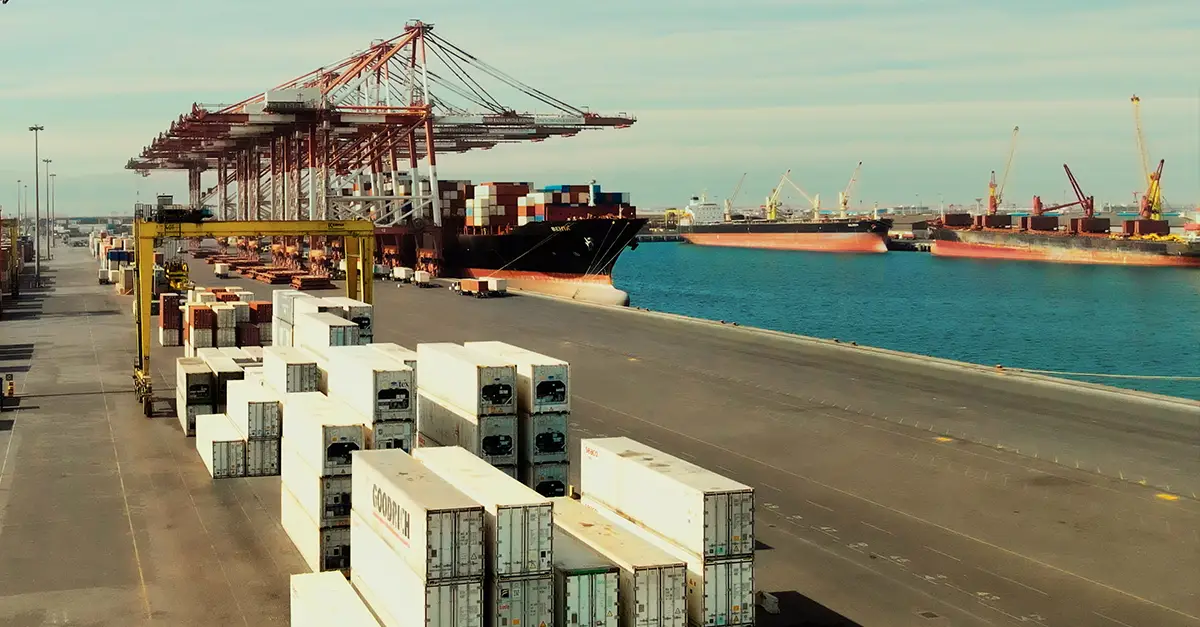
Reefer Cargo Transport: Everything About Refrigerated Containers and Their Advantages
In today’s fast-paced global trade, preserving the quality and safety of perishable goods—especially over long distances—is one of the core challenges in the supply chain. Refrigerated containers (reefers) with precise temperature and humidity control provide an efficient solution for transporting sensitive products such as food, pharmaceuticals, and flowers. If you want to know what a reefer container is, what types exist, which goods they suit, and why choosing them is a smart decision in modern logistics, stay with us through this guide.
The Importance of the Cold Chain in Global Trade
The need to move temperature-sensitive goods safely and reliably is greater than ever. Products such as fresh fruit and vegetables, meat, pharmaceuticals, vaccines, and even certain chemicals all require controlled-temperature transportation to maintain their quality and integrity. This is where the “cold chain” becomes a critical part of logistics.
The cold chain refers to the set of processes and equipment that keep products within a specific temperature range from origin to final delivery. One of the most essential tools in this chain is the refrigerated container. With the growth of global trade and rising demand for fresh produce and specialty medicines, reefer containers have become a cornerstone of modern logistics.
What Is a Refrigerated Container?
A refrigerated container—often called a “reefer”—is a standard shipping container equipped with an integrated refrigeration unit to maintain a specified internal temperature range. Reefers are designed for goods that are temperature-sensitive and must remain chilled or frozen throughout transit.
Unlike dry containers that simply act as enclosed cargo space, reefers use a compressor, condenser, and evaporator to regulate and maintain internal temperature. Some models also control humidity and ventilation—vital for certain fruits, flowers, or pharmaceuticals.
Reefer containers are engineered for intermodal use across sea, road, and rail. At sea, they are powered by the vessel’s electrical system; on land, they run via gensets (clip-on or underslung) or external power sources.
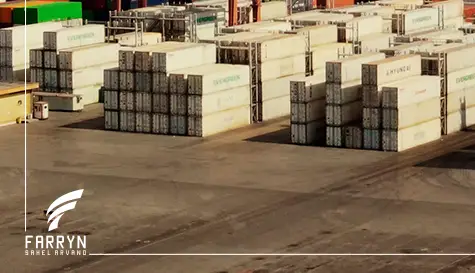
Types of Refrigerated Containers
Reefer containers vary by application, capacity, and technical features. The right choice depends on the product, transit time, and route conditions. Below are the most common types.
20-foot Refrigerated Container
The 20’ reefer (approx. 6 m long) offers practical capacity for small to medium shipments of perishables. It’s widely used for fresh produce, pharmaceuticals, and dairy. Due to its smaller footprint and efficient cost, it suits many compact or frequent consignments.
40-foot Refrigerated Container
The 40’ reefer (approx. 12 m long) doubles the capacity of a 20’ and is ideal for larger volumes. It’s typically used for bulk exports of food, frozen meat, seafood, and similar products. The main advantage is improved cost-per-unit for high-volume shipments, making it attractive for B2B supply chains.
High Cube Refrigerated Container
High Cube reefers provide additional height compared with standard containers, enabling higher-volume or bulkier loads. This extra headroom makes them a smart choice when space optimization is critical.
Dual-Temperature Reefer
Dual-temperature reefers allow two independently controlled temperature zones within one container. They’re perfect for combined loads—such as fresh and frozen items—reducing costs and optimizing capacity in mixed shipments.
Controlled Atmosphere (CA) Reefer
Controlled Atmosphere reefers manage temperature, humidity, oxygen, and carbon dioxide simultaneously. They are commonly used for sensitive produce such as bananas, kiwifruit, grapes, and cut flowers. The chief benefit is extended shelf life and maintained quality by slowing ripening and spoilage—ideal for long-haul fresh cargo.
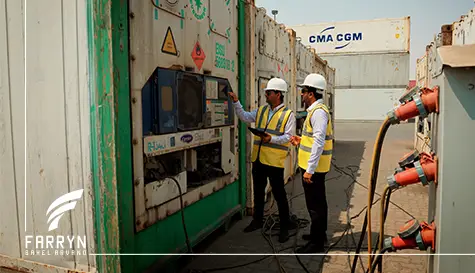
Which Products Require Reefer Transport?
Thanks to stable, controlled conditions, reefer containers cover a wide range of temperature-sensitive cargo that would otherwise lose quality, safety, or even fitness for use under ambient conditions. Key categories include:
-
Perishable Foods
- Fresh fruit and vegetables
- Meat, poultry, seafood, and processed meats
- Dairy products (milk, cheese, yogurt, etc.)
- Ready-to-eat or frozen foods
- Eggs and agri-processed items
-
Pharmaceuticals and Medical Supplies
- Vaccines and serums
- Temperature-sensitive medicines (e.g., insulin)
- Laboratory and biological samples
- Specialized medical equipment requiring stable conditions
-
Floral and Horticultural Products
- Cut flowers (e.g., roses, carnations, lilies)
- Houseplants and export seedlings
-
Temperature-Sensitive Chemicals
- Industrial adhesives
- Certain resins and polymer compounds
- Specific petroleum-based or reactive products
-
Specialty Items
- Premium chocolate and confectionery
- High-grade coffee or tea
- Gourmet and luxury foods (e.g., caviar)

Advantages of Shipping with Refrigerated Containers
Using reefers in domestic and international transport delivers multiple benefits, making them one of the most efficient methods for moving temperature-sensitive goods. Key advantages include:
Preserved Quality and Product Safety
With precise control of temperature, humidity, and airflow, reefers create a stable environment that helps prevent spoilage, discoloration, quality degradation, or microbial growth.
Expanded Market Reach
Reefers enable long-distance and cross-border shipments of perishables without compromising shelf life, allowing suppliers to reach new international markets.
Multi-Product Flexibility
Dual-temperature units can move goods with different temperature needs in the same container—saving costs and maximizing capacity utilization.
True Intermodal Compatibility
Engineered to global standards, reefers seamlessly move across ocean, rail, road, and even air (active/passive solutions)—ensuring uninterrupted cold-chain continuity.
In-Transit Monitoring and Control
Modern reefers feature digital data loggers, remote monitoring, and alert systems for temperature, humidity, and door events. This is vital for pharmaceuticals and other high-sensitivity cargo, and it supports audit trails and compliance.
Greater Customer Confidence
Delivering fresh, compliant cargo on arrival strengthens brand credibility and customer trust—especially in food and pharma sectors.
Lower Waste and Cost of Damage
Controlled conditions reduce spoilage and write-offs, cutting both financial losses and environmental impact associated with product waste.
Why Reefer Containers Are a Smart Choice in Modern Logistics
As global supply chains become more complex, competitive, and quality-driven, specialized solutions to safeguard products are essential. Reefer containers are a key enabler, offering fine control of temperature, humidity, and ventilation for safe movement of perishables, pharmaceuticals, agricultural products, and other environment-sensitive goods.
From exporting fresh produce to importing vaccines and medicines, from moving flowers to distributing frozen foods, reefer containers cover a vast range of use cases in modern logistics. If you’re aiming for resilience, safety, and high efficiency across your supply chain, reefers are not just an option—they’re a necessity.
For temperature-controlled transport with global coverage, choose our refrigerated container services. Contact our logistics team today to plan reliable, compliant cold-chain shipping tailored to your product’s temperature profile and route.