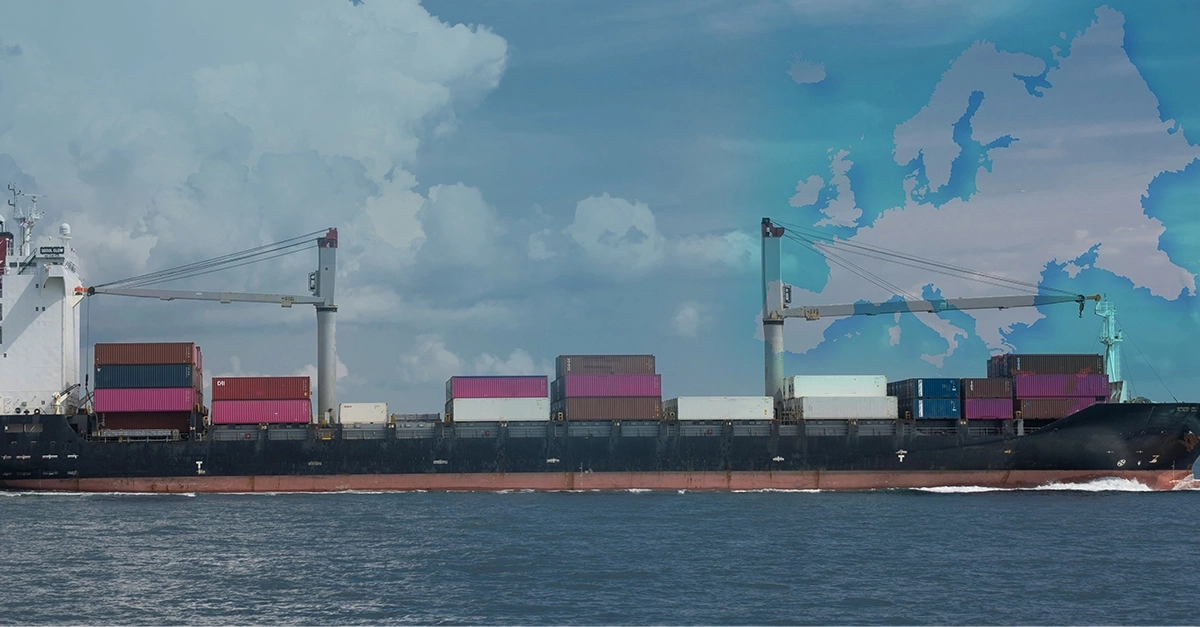
Complete Guide to Procedures and Methods of Sea Freight to Europe
Consignments bound for Europe can be dispatched via rail or road networks through Russia and Turkey. Air freight services are also available to several European destinations. So, why do most businesses and traders prioritize sea freight? In this article, we answer this question, discuss the advantages of maritime transport to Europe, and then detail the operational steps, costs, and essential tips to know before shipping.
Why Sea Freight to Europe?
Despite the availability of land and air routes, many exporters still prefer to send their goods to Europe by sea. Unlike other modes, sea freight can accommodate heavy and oversized (OOG) cargo, with virtually no restrictions on volume or weight. Furthermore, it remains the most cost-effective solution for large-scale shipments.
Additionally, maritime routes are free from the border congestion and transit delays typical of road transport. Goods are transported in sealed containers, protecting them from risks such as theft, tampering, and physical damage.
Sea Freight for Personal Effects is Also Available
Shipping via sea is not limited to commercial activities; Personal Effects (Excess Baggage) can also be transported to Europe by ship.
Students and individuals migrating to European countries who wish to relocate their household goods, books, and clothing often utilize this method. Since these items are usually high-volume, air freight would be prohibitively expensive, making sea transport the ideal alternative.
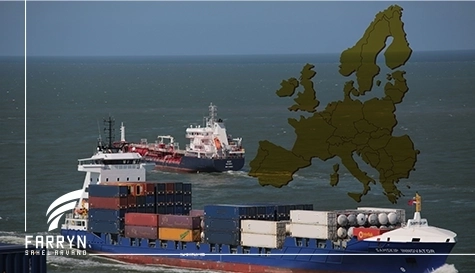
What is the Cost of Sea Freight to Europe?
While we mentioned the cost-effectiveness of sea freight, what is the exact price? In reality, a fixed rate cannot be quoted as several variables influence the final Freight Rate:
- What type of commodity is being shipped?
- What is the volume (CBM) of the cargo?
- What is the total weight?
- Which Port of Loading (POL) is being used?
- What is the Port of Discharge (POD) in Europe?
- What is the current currency exchange rate?
- How are customs duties and taxes calculated?
- What is the cost of cargo insurance?
The best approach is to contact reputable freight forwarding companies, provide your cargo specifications, and request a formal quotation.
Steps of Sea Freight to Europe
To ensure shipments reach Europe safely and in compliance with international law, several critical steps must be followed:
1. Consultation and Route Optimization
The first step is determining the most efficient route. The primary maritime route from Iran to Europe passes through the Suez Canal and the Mediterranean Sea. However, due to sanctions, it is often necessary to discharge the cargo at a transshipment hub and reload it onto a different vessel for its final destination.
This affects costs, transit times, and even packaging requirements. Therefore, consulting with a professional logistics provider is essential for informed decision-making.
2. Professional Seaworthy Packaging
Goods must be packed according to international standards relative to their nature. Proper packaging prevents moisture ingress and damage during the voyage. Furthermore, it is a prerequisite for customs acceptance in the destination country; non-compliant packaging may lead to the cargo being seized or rejected by European customs.
3. Preparation of Documents and Permits
For legal export and European customs clearance, a comprehensive set of documents is required. These requirements vary by commodity type. In most cases, the list is provided through the Integrated Trade System. Additionally, experienced traders and forwarders can provide guidance on specific documentation needs.
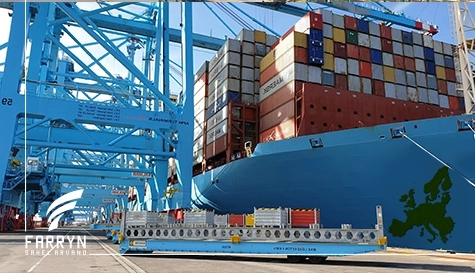
4. Selecting a Shipping Line or Freight Forwarder
For sea freight to Europe, you should engage reputable shipping lines or international freight forwarders. They are experts in the process and typically offer end-to-end services, including container booking, documentation, and managing customs formalities.
5. Fumigation (For Wooden Packaging)
Cargo involving wooden crates, pallets, or wood-based materials must undergo fumigation and disinfection before shipment. Following this process, an International Phytosanitary Certificate is issued. This certificate is mandatory for entry into most European countries.
6. Container Selection and Stuffing
At this stage, the appropriate container must be selected from various types such as Standard (Dry Van), Reefer, Open Top, or Flat Rack. For example:
- Standard Containers: Used for dry, packaged goods. These are sealed and only opened at the destination in the presence of the consignee.
- Bulk Carriers or Tankers: Used for bulk commodities like liquids or grains, featuring reinforced, moisture-proof insulation.
- Reefer Containers: Used for temperature-sensitive products like dairy or perishables.
7. Customs Formalities
An Export Declaration must be filed within the customs system for inspection and assessment. Once approved, the “Permit to Export” is granted.
8. Customs Clearance in Europe and Delivery
Upon the vessel’s arrival at the destination port, containers are discharged, and the Clearance Process begins. European authorities verify the accuracy of documents and ensure the cargo matches the Bill of Lading (B/L). Customs duties and taxes must then be settled. As mentioned, any discrepancy in packaging, labeling, or documentation can lead to cargo detention or return.
Which Company Should You Choose for Shipping to Europe?
Choosing the right logistics partner is decisive for the success of your shipment to Europe. A company with extensive experience in international routes and mastery over European customs regulations can prevent delays, documentation errors, and legal hurdles.
At Farryn Sahel Arvand Company, backed by years of global logistics expertise, we accompany you through every stage of sea freight to Europe, ensuring your consignment reaches its destination with confidence and success.