Calculating Sea Freight Costs and Shipping Methods from China to Iran
While cargo can be transported from China to Iran via land or air, most businesses prefer sea freight, as it allows for shipments of almost any size and type without volume restrictions. Moreover, it is significantly more cost-effective compared to other transportation modes.
In this article, we will discuss sea freight from China to Iran — how it is performed, how long it takes, and what the shipping costs depend on.
How is Sea Freight from China to Iran Conducted?
Sea transportation is one of the most reliable and economical solutions for businesses, making it an extremely common method for moving goods from China.
There are various modes of sea freight available, and the choice depends on factors such as budget, cargo type, and contractual terms. Therefore, it is essential to become familiar with each option before deciding.
Container Shipping
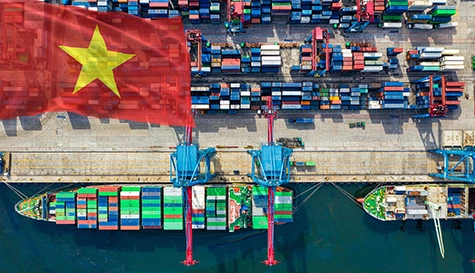
Containerized transport from China is the most popular mode among traders and importers. In this method, goods are loaded into standardized metal containers, which are treated as independent units on the vessel.
Containers not only ensure cargo safety but also streamline loading, unloading, and overall cargo handling operations.
There are generally two types of container services:
FCL (Full Container Load)
Under FCL, the entire container is allocated to a single shipper, even if the cargo does not fully occupy the entire space.
This solution is ideal for bulk shipments or valuable and sensitive commodities, as it offers higher cargo security and reduces the risk of damage.
Additionally, FCL shipments are handled faster and with greater efficiency during loading and discharging processes.
LCL (Less than Container Load)
When the volume or weight of the cargo is insufficient to fill an entire container, the LCL method is used.
Here, shipments from several shippers are consolidated in one container, and freight costs are shared among them.
This approach significantly reduces transportation expenses for smaller consignments.
Bulk Shipping
Commodities such as grain, corn, cement, iron ore, or fertilizers, which are not packaged and are carried in large quantities, fall under the category of bulk cargo.
These goods are loaded directly into the vessel without containers or pallets.
Dry bulk cargoes are carried by bulk carriers, while liquid bulk commodities are transported aboard tankers.
Break Bulk Shipping
Certain types of cargo are oversized or irregular in shape and cannot be stowed inside standard containers—examples include heavy machinery, steel structures, power plant units, or industrial equipment.
Such shipments are carried individually on the ship’s deck or within its holds.
Break Bulk transportation demands precise planning and specialized handling equipment during loading and discharging and must comply with strict safety and operational standards.
Transit Time: How Long Does Sea Freight from China Take?
The average transit time for sea freight from China to Iran ranges between 30 to 45 days. However, this duration is not fixed and can vary based on several factors:
Port of Origin and Destination
Where is your cargo departing from—Shanghai, Ningbo, or Guangzhou—and to which Iranian port is it headed—Bandar Abbas or Bushehr?
Geographical distance, shipping line services, and port operations greatly influence transit time.
For instance, Shanghai → Bandar Abbas may take 35–40 days, whereas Ningbo → Bushehr typically requires around 30–35 days.
Route Type
The selected route affects both time and cost. In some cases, direct shipping is unavailable, and the cargo must first be transshipped through an intermediate port, which naturally extends transit duration and adds extra charges.
Cargo Type
Special cargo such as hazardous materials or heavy machinery requires careful handling and additional documentation.
These shipments are usually moved under stricter safety procedures, which can increase delivery time.
Weather Conditions
Unfavorable sea conditions such as storms, heavy rain, or dense fog can cause unforeseen delays in vessel schedules and extend arrival times.
How Much Does Sea Freight from China Cost?
It is impossible to quote a universal shipping rate since various factors influence the total cost.
Below are the most significant components that determine container freight rates from China to Iran:
Type of Contract (FOB vs. EXW)
Contractual terms play a major role in determining shipping costs:
- Under FOB (Free on Board), the seller’s responsibility ends once the goods are delivered on board the vessel. From that point, all freight charges and risks are borne by the buyer or their appointed forwarder.
- Under EX Works (EXW), the seller delivers the goods at their premises—factory, warehouse, or specified location—and the buyer assumes all transportation costs and risks from that point onward.
Nature of Goods
Certain products incur higher freight charges due to their characteristics.
For example, temperature-sensitive goods requiring reefer containers, or hazardous chemicals that demand special packaging and careful handling.
Similarly, expensive commodities attract higher insurance premiums.
Mode of Shipment (FCL or LCL)
As discussed, in container shipping it is crucial to determine whether you book a full container or share space with others.
An FCL shipment requires paying for the entire container, resulting in a higher transport cost.
Port Handling Charges (THC)
Costs related to loading, unloading, storage, and terminal operations, collectively known as Terminal Handling Charges (THC), vary across different Chinese ports and directly affect the final freight rate.
Distance and Routing
Freight rates are influenced by distance between the port of origin and port of destination.
If the shipment involves transshipment through a secondary port, both cost and transit time will increase proportionally.
Additional Costs
You must also consider insurance, packaging, customs duties, storage fees, and other ancillary services as part of your total logistics expenditure.
Market Conditions and Exchange Rates
Currency fluctuations, seasonal demand spikes, or global crises—such as the COVID‑19 pandemic or the Suez Canal blockage—can drastically affect freight rates.
For an accurate cost estimate, you should provide full cargo specifications and obtain rate quotations from multiple freight forwarders.
A Reliable Partner for the China–Iran Route
Sea freight between China and Iran involves numerous complexities and logistical considerations.
However, by understanding the different shipping methods, cost determinants, and customs regulations, businesses can manage this route efficiently and cost-effectively.
Partnering with an experienced logistics provider is crucial to minimize transportation risks and streamline the import and clearance process.
Farryn Sahel Arvand Company, with years of expertise in international shipping—particularly on the China–Iran trade lane—delivers professional solutions and the most economical options tailored to your business needs.
For a smooth start, it is recommended to consult with their expert team for personalized guidance.