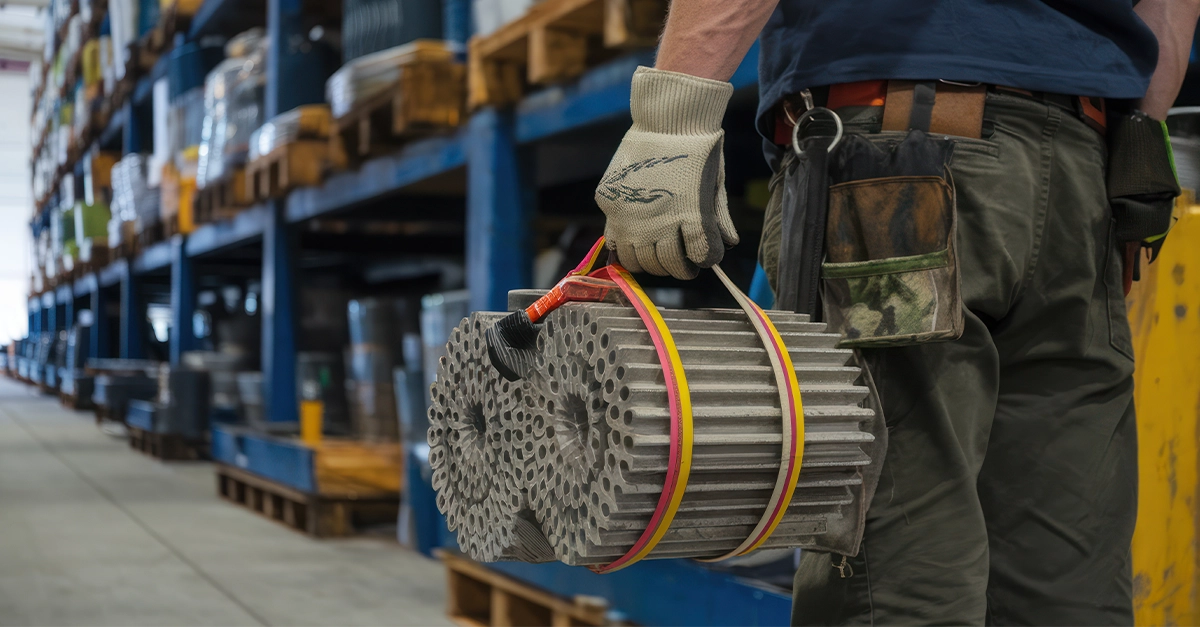
Importing Automotive Parts into Iran: Key Considerations for Importers and International Traders
When demand outpaces domestic production, opportunities emerge—opportunities that can be profitable if approached strategically. Importing automotive parts into Iran represents one such opportunity. In 2023 alone, more than USD 3.8 billion worth of automotive components were imported into the country, and this growth trend continues.
But where should businesses begin when entering the automotive parts import market in Iran? Which countries are the most reliable sourcing partners? And what regulatory frameworks and operational challenges should importers expect along the way? In this article, we address these key questions.
Seven Steps to Success in Importing Automotive Parts into Iran
Before entering the automotive parts import sector, it is essential to develop a clear understanding of the process ahead, identify each operational stage accurately, and establish a well‑structured plan. In practice, the entire process can be summarized in the following seven steps:
Selecting the Right Supplier
The first and most critical step is identifying a reliable supplier that can offer competitive pricing. To avoid over‑dependence on a single supplier or sourcing country, it is strongly recommended to maintain relationships with multiple suppliers across different markets. Potential suppliers can be identified through participation in international trade exhibitions, online market research, and recommendations from experienced traders.
In addition to price evaluation, it is also important to verify the supplier’s commercial background and request product samples to assess quality. Contracts should also include clear clauses regarding supply commitments and delivery schedules in order to mitigate delays and other operational risks.
Obtaining the Proforma Invoice
After reaching a preliminary agreement with the supplier, the next step is to obtain a Proforma Invoice (PI). This document must include essential details such as the type of parts, quantity, unit price, total value, weight specifications, payment terms, and shipping conditions. The proforma invoice is required for order registration and for completing subsequent legal procedures related to importation.
Order Registration in the Comprehensive Trade System
The importer must then register the order in Iran’s Comprehensive Trade System (NTSW) and obtain authorization from the Ministry of Industry, Mine and Trade. To complete this step, the importer must possess a valid commercial trading card and submit the previously obtained proforma invoice.
Obtaining Required Standard Certifications
Certain automotive components require mandatory technical approvals and compliance certifications before they are permitted to enter the Iranian market. Once the order is registered in the trade system, the relevant platform provides a list of required permits and certifications, allowing the importer to initiate the approval process accordingly.
International Transportation
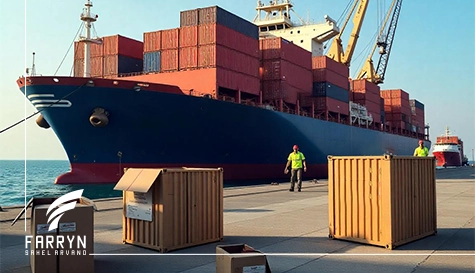
Once payment procedures are completed and the cargo is prepared for shipment, the international transportation phase begins. Ideally, the transportation method should be determined in advance. Depending on the country of origin, budget constraints, transit time requirements, and cargo characteristics, importers may choose between maritime transport, air freight, or overland transportation.
Customs Clearance
In the final stage, the required documentation must be submitted to the customs authorities in order to complete the clearance process. These documents typically include the Bill of Lading (B/L), Packing List, Commercial Invoice, and Customs Declaration. If all documentation is accurate and regulatory requirements are met, customs release authorization is issued and the cargo can be cleared without delay.
Which Countries Are the Best Sources for Importing Automotive Spare Parts?
As noted earlier, selecting the right sourcing country and supplier is one of the most important decisions at the beginning of the import process. This decision should be based on several criteria, including product type, pricing structure, supply reliability, product quality, and customs regulations in both the origin and destination countries.
Currently, automotive spare parts imported into Iran are primarily sourced from the following markets.
Importing Automotive Parts from China
China is Iran’s largest trading partner in the automotive parts sector and maintains strong commercial relations with the country. For importers seeking product diversity, customized manufacturing capabilities, and competitive pricing, China remains one of the most attractive sourcing destinations.
Another important factor is the increasing presence of Chinese vehicles in Iran, which has significantly increased the demand for compatible spare parts.
In practice, if the primary objective is cost efficiency and large‑volume procurement, importing from China is often the most viable option. However, due diligence is essential. Importers must carefully review supplier credentials and evaluate product quality before finalizing any procurement agreements. Failure to do so may result in receiving substandard components or encountering delivery delays.
Importing Automotive Parts from Dubai (United Arab Emirates)
Dubai is widely recognized as the automotive trading hub of the Middle East. The market offers extensive availability of spare parts for Japanese, Korean, and European vehicle brands such as Toyota, Nissan, Mercedes‑Benz, and BMW. In addition to new components, the market also offers a significant supply of stock surplus parts, which are often available at lower prices while maintaining acceptable quality standards.
The short geographical distance between the UAE and Iran’s southern ports significantly reduces logistics costs and shortens transit times. Another notable advantage is the accessibility of small‑volume purchases, which can be particularly useful for smaller importers.
Overall, importing from Dubai is a suitable option for businesses seeking high‑quality original parts with fast delivery times.
Importing Automotive Parts from Turkey
Turkey is another practical and accessible sourcing option for Iranian importers. Its geographical proximity and established overland transport corridors significantly reduce transportation costs and delivery times compared with more distant markets.
The Turkish market performs well in supplying specialized and high‑quality parts for both European and Asian automotive brands such as Mercedes‑Benz, Peugeot, Renault, Ford, Honda, and Mitsubishi. Many of these components are either manufactured or assembled domestically in Turkey.
However, the variety of available parts in Turkey is not as extensive as in China or Dubai. Therefore, Turkey is generally a suitable option for sourcing specific or specialized components, but it may not be the most efficient choice for large‑scale procurement programs.
Importing Automotive Parts from India
At first glance, India may appear to be a secondary sourcing option in the automotive parts market, but its role should not be underestimated. The country benefits from competitive manufacturing costs, a skilled workforce, and a wide range of components, particularly in areas such as suspension systems, braking components, electrical systems, and electronic modules—especially for heavy machinery.
In recent years, India has experienced significant growth in automotive component exports. Many manufacturers have successfully obtained international certifications such as ISO and IATF, reflecting their growing credibility in global supply chains.
For importers seeking competitive pricing, access to specialized industrial components, and compliance with international manufacturing standards, India can be a strategic and forward‑looking sourcing destination.
Customs Regulations for Importing Automotive Parts into Iran
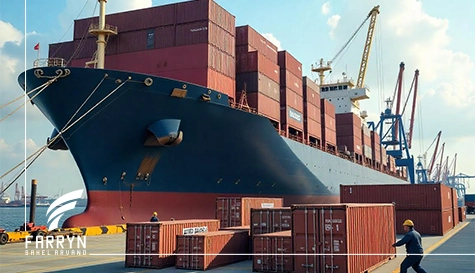
To import automotive components legally into Iran, traders must also be familiar with several key customs regulations. These regulations play an important role in determining final import costs, customs clearance timelines, and whether certain goods are eligible for entry into the country. The most important regulatory aspects include the following:
HS Code Classification
Most automotive parts fall under HS Code 8708 within the Harmonized System classification. During both order registration and customs declaration, it is essential to use the precise tariff code. Incorrect classification may lead to penalties or delays in the customs clearance process.
Compliance with National Standards
Certain spare parts—particularly safety‑critical components such as brake systems, brake pads, lighting equipment, steering systems, seat belts, and tires—must comply with Iran’s national safety standards. Importing these items without certification from the National Standards Organization of Iran (INSO) is prohibited. Therefore, importers must obtain either a certificate of conformity or a standard exemption confirmation prior to customs clearance.
Customs Tariffs
Each automotive component imported into Iran is subject to its own customs tariff rate, which varies depending on factors such as product type, brand, country of origin, and functional application. Components without equivalent domestic production are typically subject to lower tariff rates, while some goods may also be subject to Value Added Tax (VAT).
In some cases, products that appear similar—such as spark plugs and oxygen sensors—may have comparable electronic functions but fall under different tariff classifications.
Prohibition of Used or Unpackaged Parts
The import of used, refurbished, stock surplus, or improperly packaged automotive parts is strictly prohibited. This regulation is intended to ensure consumer safety and prevent smuggling and counterfeit products. Even unused parts without proper packaging may be classified as second‑hand goods by customs authorities and consequently confiscated.
Practical Strategies for Reducing Transportation Costs and Transit Time
Transportation and customs clearance operations should never be underestimated, as they play a significant role in minimizing operational costs, transit delays, and logistical risks. The following considerations are particularly important:
• Selecting the optimal transportation route: Depending on the origin country, the most cost‑efficient transport route should be selected. For instance, imports from China are typically transported via maritime freight to southern Iranian ports such as Bandar Abbas, whereas imports from the UAE or Turkey may be faster and more economical through overland transport.
• Ensuring secure and compliant packaging: Automotive parts are often fragile or sensitive components. Therefore, proper packaging is essential to prevent damage during transit. Inadequate packaging may also lead to rejection by customs authorities or insurance providers.
• Coordinating with specialized customs offices: Certain customs offices—such as Shahriar, Bandar Abbas, and Bushehr—have extensive experience in processing automotive parts imports. Coordinating customs clearance through these specialized facilities can accelerate procedures and reduce operational complications.
• Working with experienced customs brokers: Cooperation with reputable customs clearance agents who possess practical experience with specialized customs offices can streamline the clearance process, reduce administrative errors, and potentially lower overall costs.
Professional Logistics Management Ensures Successful Imports
Importing automotive parts into Iran requires careful planning and a thorough understanding of customs regulations and logistics procedures. For this reason, collaboration with a reliable and experienced logistics company is essential. Customs processes, regulatory approvals, technical standards, and unforeseen operational challenges are all part of the import journey, and only practical experience with specialized customs authorities can effectively navigate these complexities.
Farryn Sahel Arvand can support importers throughout all stages of this process. By leveraging the company’s expertise and operational knowledge, businesses can significantly reduce import risks while improving both cost efficiency and delivery timelines.