Importing Precious Stones from Iran
Complete Guide and Key Regulations for International Buyers
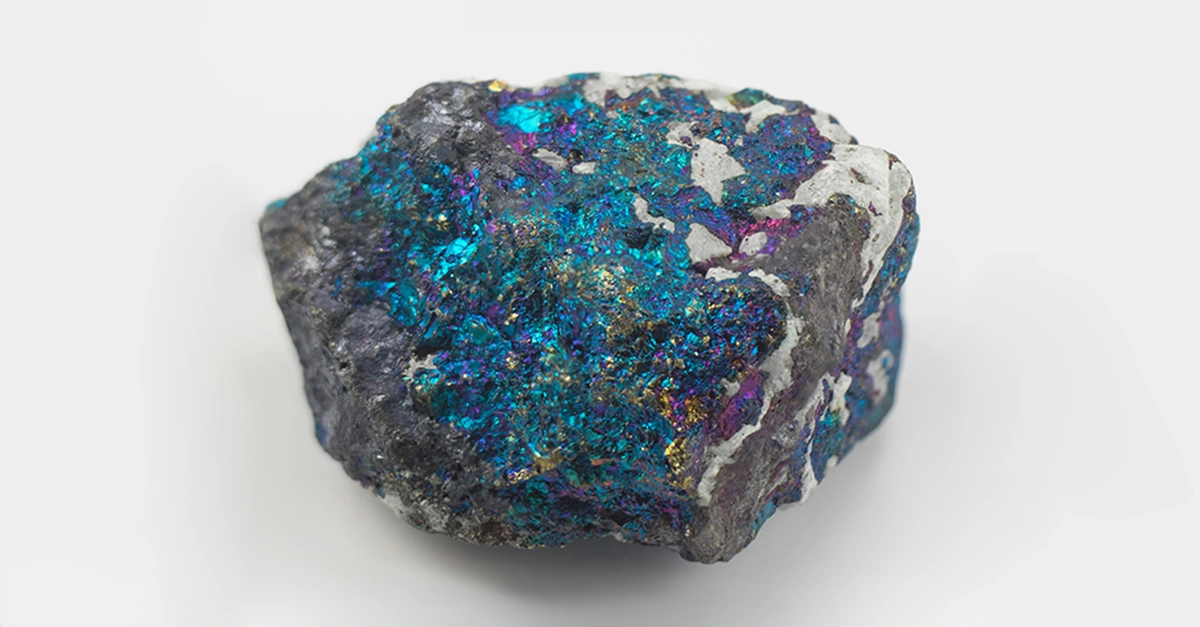
A visit to Iran’s National Jewelry Museum quickly reveals the country’s deep historical connection with gemstones. For centuries, Iran has been known as a source of high‑quality turquoise, agate, emerald, ruby, and other precious and semi‑precious stones. Because of these natural resources and long‑standing craftsmanship traditions, Iran remains an attractive sourcing destination for international gemstone buyers.
In this guide, we explain how importing precious stones from Iran works, which gemstones are most commonly traded, the global markets that buy them, and the regulations that international buyers should understand when sourcing gemstones from Iran.
Types of Iranian Gemstones Available for Import
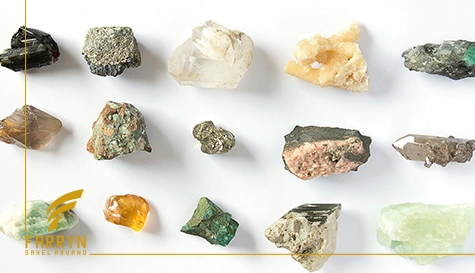
Iran is home to more than 200 active gemstone and mineral mines, producing a wide variety of stones that attract jewelry manufacturers, collectors, and gemstone traders worldwide. This diversity gives international buyers many options depending on their market demand. Some of the most well‑known Iranian gemstones include:
Turquoise
Turquoise is one of the most iconic gemstones associated with Iran. Known for its distinctive sky‑blue to greenish‑blue color, Iranian turquoise—especially from the Neyshabur Turquoise Mine—is considered among the finest in the world. Its rich color and minimal veining make it highly desirable in global jewelry markets.
Agate
Agate is available in a wide spectrum of colors including red, orange, blue, and green. It is widely used in jewelry production, decorative items, and engraved pieces. The Bayg Agate Mine in Razavi Khorasan Province is one of the most historically significant sources of this stone in Iran.
Emerald
Emerald is a member of the beryl family and is prized for its deep green color and transparency. As one of the most valuable gemstones globally, it is highly sought after by collectors and jewelry manufacturers. In Iran, Golestan Province is known for emerald deposits.
Ruby
Ruby is famous for its vivid red color and exceptional durability. Often ranked among the most valuable gemstones after diamonds, rubies are widely used in high‑end jewelry. Hamedan Province is one of the regions known for ruby extraction in Iran.
Pearl
Unlike mineral gemstones, pearls are organic gemstones formed inside marine shells. They can appear in shades of white, cream, pink, and even black. Pearls sourced from the Persian Gulf region have historically been valued for their natural luster and quality.
Major Global Markets Buying Iranian Gemstones
Demand for Iranian gemstones varies depending on jewelry trends, cultural preferences, and local manufacturing industries. For international buyers considering sourcing from Iran, understanding which markets already trade in these stones can offer valuable insights.
Europe
Countries such as Germany, Italy, France, and Switzerland have strong gemstone and jewelry industries. Buyers in these markets usually prioritize certification, cutting quality, transparency, and authenticity when sourcing gemstones.
China
China is one of the world’s largest gemstone processing centers. Many gemstones sourced from Iran are exported to China, where they are cut, polished, and transformed into finished jewelry products before entering global markets.
United Arab Emirates
The UAE, especially Dubai, serves as a global hub for gold and gemstone trading. Many international buyers source Iranian gemstones through the UAE due to its well‑established trading infrastructure and access to global distribution networks.
India
India is among the largest gemstone cutting and polishing centers in the world. Iranian stones are often imported into India where they undergo precision cutting, polishing, and finishing before being re‑exported to international markets.
Kuwait
Kuwait’s jewelry market has a strong demand for unique gemstones and luxury handcrafted pieces. Iranian gemstones often attract buyers interested in distinctive natural stones.
Thailand
Thailand is another important global trading hub for gemstones. Many Iranian stones are imported into Thailand for processing and international redistribution.
Shipping Methods for Importing Gemstones from Iran
Because gemstones are high‑value and sensitive goods, they must be transported using secure logistics solutions and proper insurance coverage. The shipping method typically depends on shipment value, destination, and trade agreements between buyer and seller.
Air Freight
Air freight is the most common method for international gemstone shipments. It provides faster delivery times, stronger security protocols, and shipment tracking.
Land Transportation
For neighboring markets such as Turkey, Iraq, or Armenia, gemstones may be transported via land routes. This method is usually chosen for regional trade due to lower logistics costs.
Hand-Carried (Courier) Transport
In the gemstone industry, small but valuable shipments are sometimes transported through hand‑carried courier delivery. In this method, the exporter or a trusted representative personally carries the gemstones to the destination country.
This approach is typically used when the shipment volume is small but the value is high, as it allows greater control over the cargo during transit.
Regulations for Exporting Precious Stones from Iran
International buyers should be aware that gemstones leaving Iran must comply with specific legal procedures and export regulations.
- Exporting gemstones from Iran requires certification from the Geological Survey and Mineral Exploration Organization of Iran, which verifies the authenticity and origin of the stones.
- When gemstones are exported through hand‑carried shipments, a 4% customs tax must be paid in Iran.
- All gemstones must be properly packaged according to international shipping standards to prevent damage during transport.
- Iranian exporters must hold a valid Commercial Card (official trading license) issued by the Iranian Chamber of Commerce in order to conduct international trade.
- Travelers leaving Iran with jewelry containing gemstones such as diamonds, rubies, or emeralds may do so without special permits only if the stones weigh less than one carat.
Buyers should also review import regulations in their own country, as some markets require additional gemstone certification, origin documentation, or customs declarations.
Security: A Critical Factor in the Gemstone Trade
Gemstones and precious metals require extremely secure handling and transportation. Any damage, loss, or mishandling during transit can result in major financial losses.
Working with an experienced logistics partner is essential when importing high‑value goods. Professional shipping providers ensure proper packaging, insurance coverage, and secure transport throughout the supply chain.
Companies such as Farryn Sahel Arvand specialize in handling valuable cargo and international shipments. With expertise in logistics and secure transportation, they help ensure that gemstones sourced from Iran reach international buyers safely and efficiently.